+
Ghost city 100‑billion‑dollar development turns into scam stronghold
+
+
+
+
+
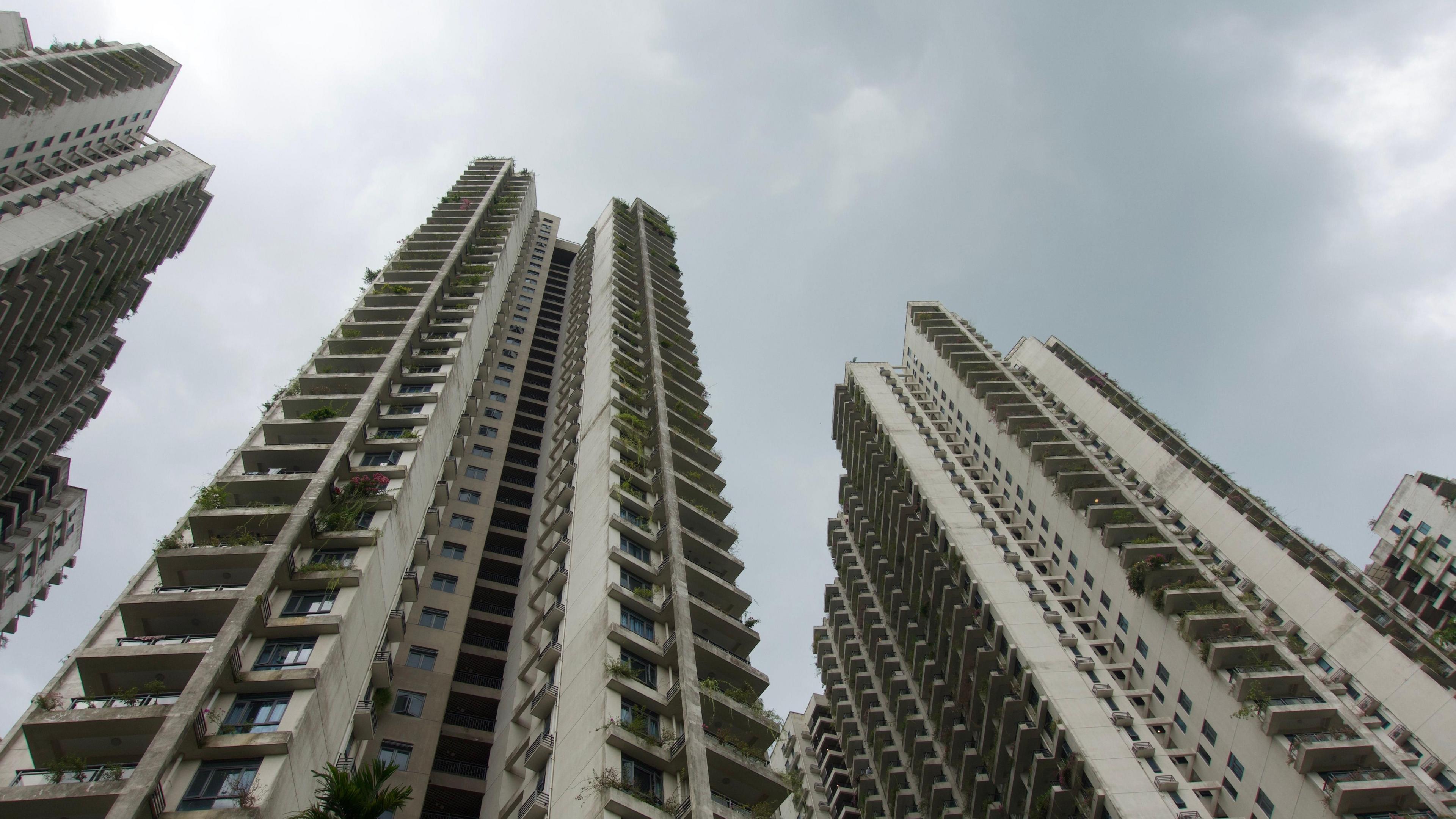
The 14‑sq‑km engineered island off Singapore’s coast, launched in 2016 as a $100 billion leap toward a “dream paradise”, sits today as a sprawling ghost city.
+
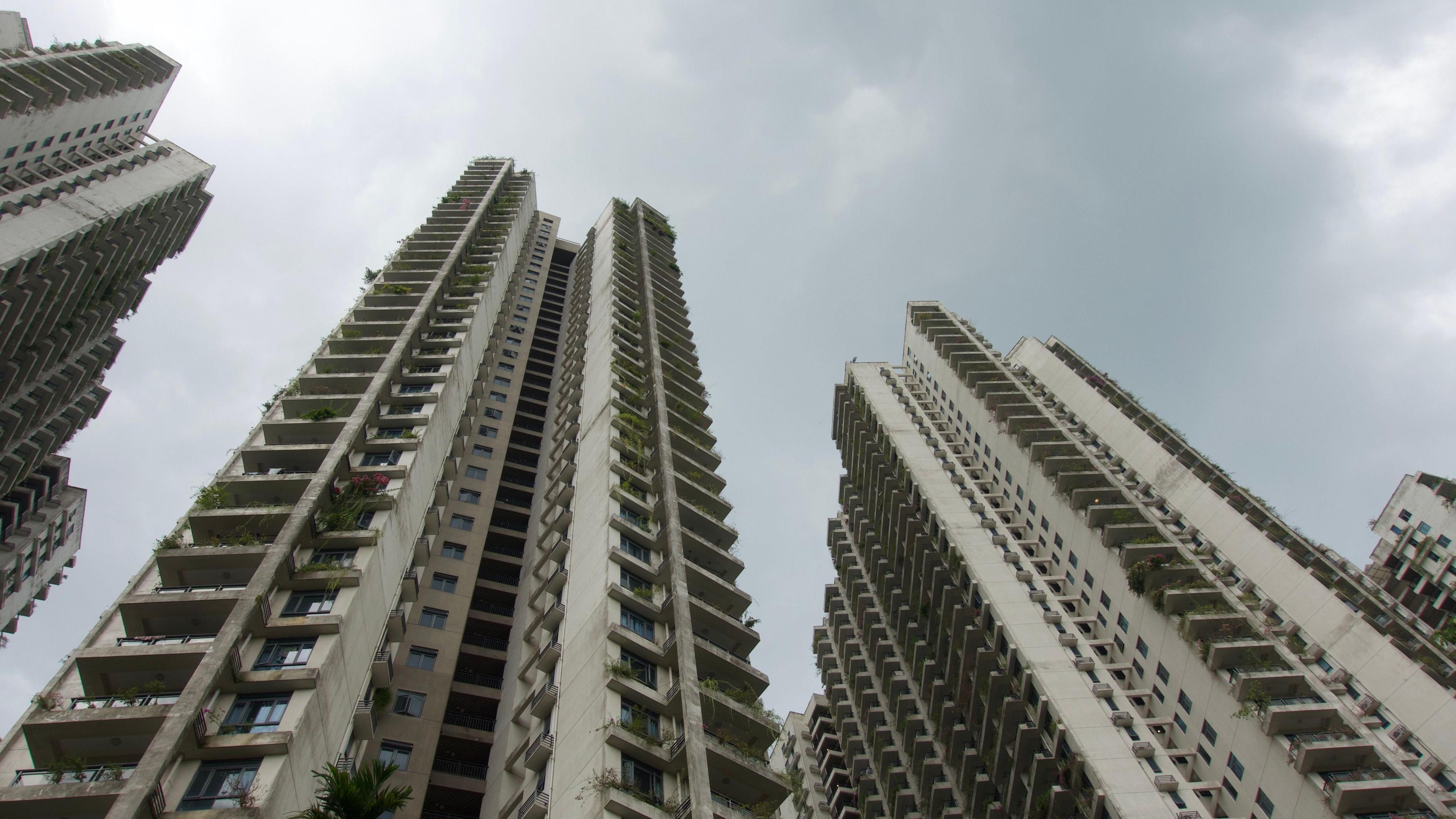
Rows of empty skyscrapers and dusty apartments give the place a 3D‑printed appearance, yet none occupy the promised 700,000‑resident smart‑city vision.
+
In mid‑July, Malaysian police raided 32 premises in Forest City, unmasking two coordinated scam hubs that ran investment and love‑telephone schemes for foreigners.
+
Arrested in the raids, 309 Chinese nationals, 19 Indonesians, three Malaysians and four Myanmar residents were seized for possessing more than 1.5 k mobile phones and 313 computers, totalling assets worth about 1 m ringgit (≈US$245 000).
+
Authorities say the criminals were linked to a cross‑border crypto‑fraud syndicate, exploiting Forest City’s modern infrastructure and sparse population to hide illicit activity.
+
Experts warn that the city’s grand resorts and tax‑free business image make it an ideal Trojan horse for fraudsters who embed themselves behind legitimate‑looking companies.
+
According to analysts, such groups now recruit seasoned scammers with better pay, moving away from forced labour while still exploiting trafficked victims.
+
the forest city provides modern tech and international links—exactly the traits crypto‑firms need to transmit money unobserved.
+
Despite a decade of neglect and a partial completion of about 15‑20 % of the original build, the project continues to market itself as a hot‑bed for investment and innovation, creating a fertile ground for scammers.
+
Residents like Kevin and Phillip report that many scam operations remain underground, yet the vigorous police crackdown has turned the ghost town into a more active community.
+