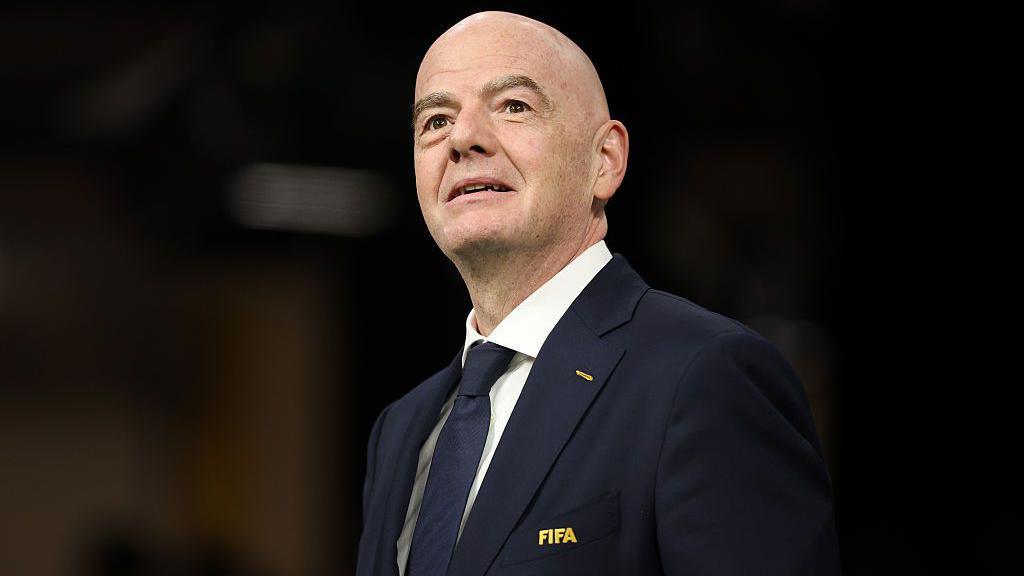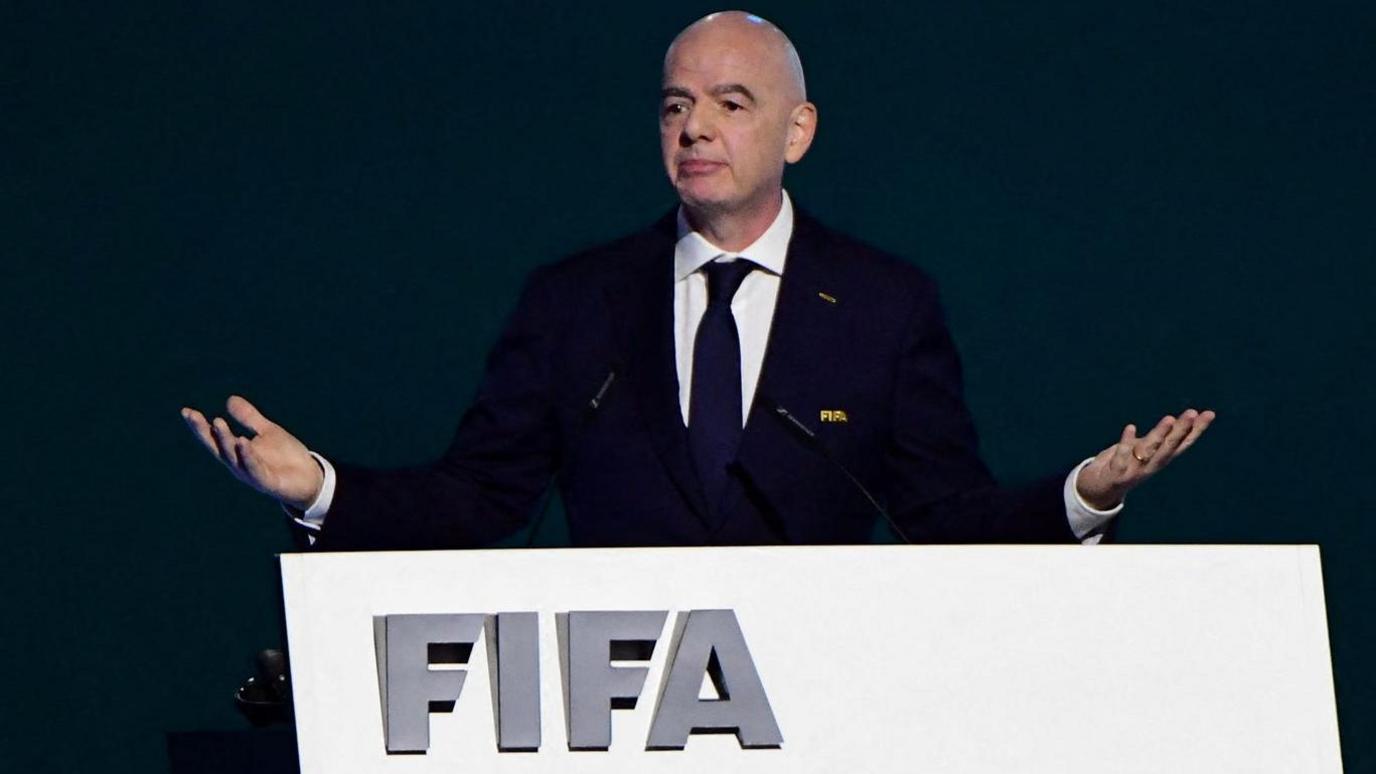
FIFA’s latest strategy is playing fast and loose with the sport’s core values. The governing body has announced plans to create a commercial subsidiary, Fifa Forward Enterprise (FFE), that would let private investors buy stakes in world‑level tournaments like the World Cup. The move coincides with a $40 million cash offer to member associations that support the proposal, and a deadline of 19 September for federations to commit in order to receive a $20 million (≈£15 million) upfront payment.
Such a concept has set off a fire‑storm. UEFA, the governing body of European football, now stands on the brink of boycotting future World Cups if FIFA proceeds. In a statement, UEFA emphasised, “The World Cup cannot be treated as an investment product. No part of it should ever be surrendered to private investors.”
CONCACAF, which organised this year’s tournament, also rejected Infantino’s plan, citing a lack of due process and the artificial time‑frame the president imposed. Other confederations—AFC, CAF, OFC and Conmebol—have either expressed alarm or are still evaluating the proposal. The Asian Football Confederation wrote that FIFA’s unilateral action “undermines the very foundations of continental football,” while the Confederación Sudamericana de Fútbol (CONMEBOL) has yet to release a public comment.
FIFA’s defense is two‑fold. It claims that the proposal is aimed at giving “each MA (member association) an opportunity to take meaningful ownership of the commercial opportunity of football in their respective countries,” and it insists that “nobody is selling football” and the sport’s spirit and governance will be preserved. The president admitted that unforeseen misinterpretations spurred media backlash and vowed a democratic consultation process that lets every member voice their facts‑based opinion.
The FFE plan draws on an 25‑page JP Morgan report that anticipates the World Cup cycle 2035‑2039 could generate an estimated boost of €24 million per association. The proposal also proposes a “new business initiatives” segment and “attraction of top talent with incentive‑driven compensation,” but it conspicuously omits any mention of women’s football. If approved, the investors are slated to be led by Thrive Eternal, an American venture capital partnership headed by Joshua Kushner, brother‑in‑law to former US president Donald Trump.
The stakes are high because the next international competitions are rapidly approaching. The 2026 U‑20 Women’s World Cup in Poland and the Women’s World Cup qualifying playoffs in October are on the calendar. If the 19 September deadline passes without a quorum, associations could withdraw from the U‑20 tournament mid‑competition—an unprecedented disruption that could ripple into the senior World Cup assets and the men’s qualifiers in 2027.
For smaller footballing nations, the debate takes on an extra gravity. Uganda’s football federation head, Rogers Byamukama, said any avenue that brings more resources could help their country’s infrastructure and grassroots programmes, referencing Fifa Forward’s prior disbursements of $2.8 bn to 211 member associations. He warned that the euro‑centric, private‑capital model could widen the gap between wealthier and poorer nations if not managed equitably.
Ultimately, the outcome of this high‑stakes negotiation will shape FIFA’s future governance and the very nature of football’s most celebrated tournaments. Global stakeholders—from club managers like Xabi Alonso to football executives like Mark Palios—have all urged that the sport remains “for the people, not in private hands.” The coming months will reveal which path FIFA will take and whether the sport’s cosmopolitan spirit can survive its foray into private investment.