During his final day, Trump engaged with local business leaders, highlighting the economic potential of U.S. firms in the region. One of the most striking developments of the trip was Trump's meeting with Syria's newly appointed president, Ahmed al-Shara—an event that signaled a dramatic pivot in U.S. policy. This meeting, which came with the announcement of lifted sanctions on Syria, could provide much-needed economic support to a nation grappling with the horrors of prolonged civil unrest.
The White House indicated that potential business agreements may amount to hundreds of billions of dollars for U.S. entities, including a considerable order from Qatar for Boeing aircraft, although many of these arrangements were reportedly in progress prior to Trump's arrival. Furthermore, Trump hinted at advancements in nuclear negotiations with Iran, emphasizing a commitment to prevent the nation from acquiring nuclear weapons while asserting that serious discussions are ongoing to establish lasting peace.
Despite the significance of his trip, Trump notably avoided a visit to Israel and instead refrained from directly addressing the escalating violence in Gaza, where Israeli airstrikes reportedly resulted in significant civilian casualties. Yet, he acknowledged the humanitarian crisis, expressing concern over the dire circumstances unfolding in the region.
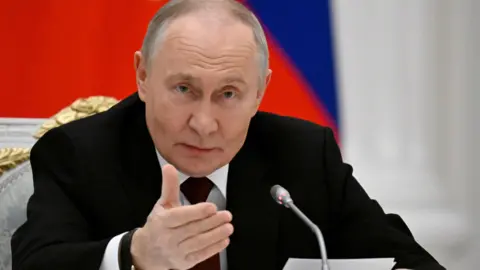
Concerning the ongoing conflict between Russia and Ukraine, Trump left speculation regarding a potential visit to Turkey to participate in ceasefire discussions, ultimately choosing to stay away. This hesitation came as Russian and Ukrainian representatives engaged in talks in Istanbul, although the absence of President Putin dampened hopes for a significant resolution.
As his tour drew to a close, Trump was poised to return stateside, reflective of a journey that both engaged regional leaders and announced economic opportunities, while also showcasing the complexities of U.S. foreign relations in turbulent times.
Qasim Nauman is a Times editor in Seoul, covering breaking news from around the world.
The White House indicated that potential business agreements may amount to hundreds of billions of dollars for U.S. entities, including a considerable order from Qatar for Boeing aircraft, although many of these arrangements were reportedly in progress prior to Trump's arrival. Furthermore, Trump hinted at advancements in nuclear negotiations with Iran, emphasizing a commitment to prevent the nation from acquiring nuclear weapons while asserting that serious discussions are ongoing to establish lasting peace.
Despite the significance of his trip, Trump notably avoided a visit to Israel and instead refrained from directly addressing the escalating violence in Gaza, where Israeli airstrikes reportedly resulted in significant civilian casualties. Yet, he acknowledged the humanitarian crisis, expressing concern over the dire circumstances unfolding in the region.
Concerning the ongoing conflict between Russia and Ukraine, Trump left speculation regarding a potential visit to Turkey to participate in ceasefire discussions, ultimately choosing to stay away. This hesitation came as Russian and Ukrainian representatives engaged in talks in Istanbul, although the absence of President Putin dampened hopes for a significant resolution.
As his tour drew to a close, Trump was poised to return stateside, reflective of a journey that both engaged regional leaders and announced economic opportunities, while also showcasing the complexities of U.S. foreign relations in turbulent times.
Qasim Nauman is a Times editor in Seoul, covering breaking news from around the world.