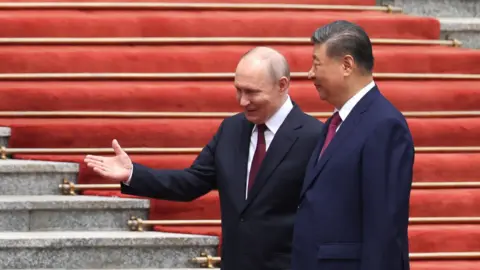
In early 2017, U.S. intelligence agencies reached a decisive conclusion about President Vladimir V. Putin's motivations behind his interference in the American presidential election. They identified a strategic aim: to undermine faith in U.S. elections and to challenge an American-led “liberal world order” that Russia perceives as a threat. Evidence indicated that Russia's efforts were aimed at supporting Donald J. Trump’s victory.
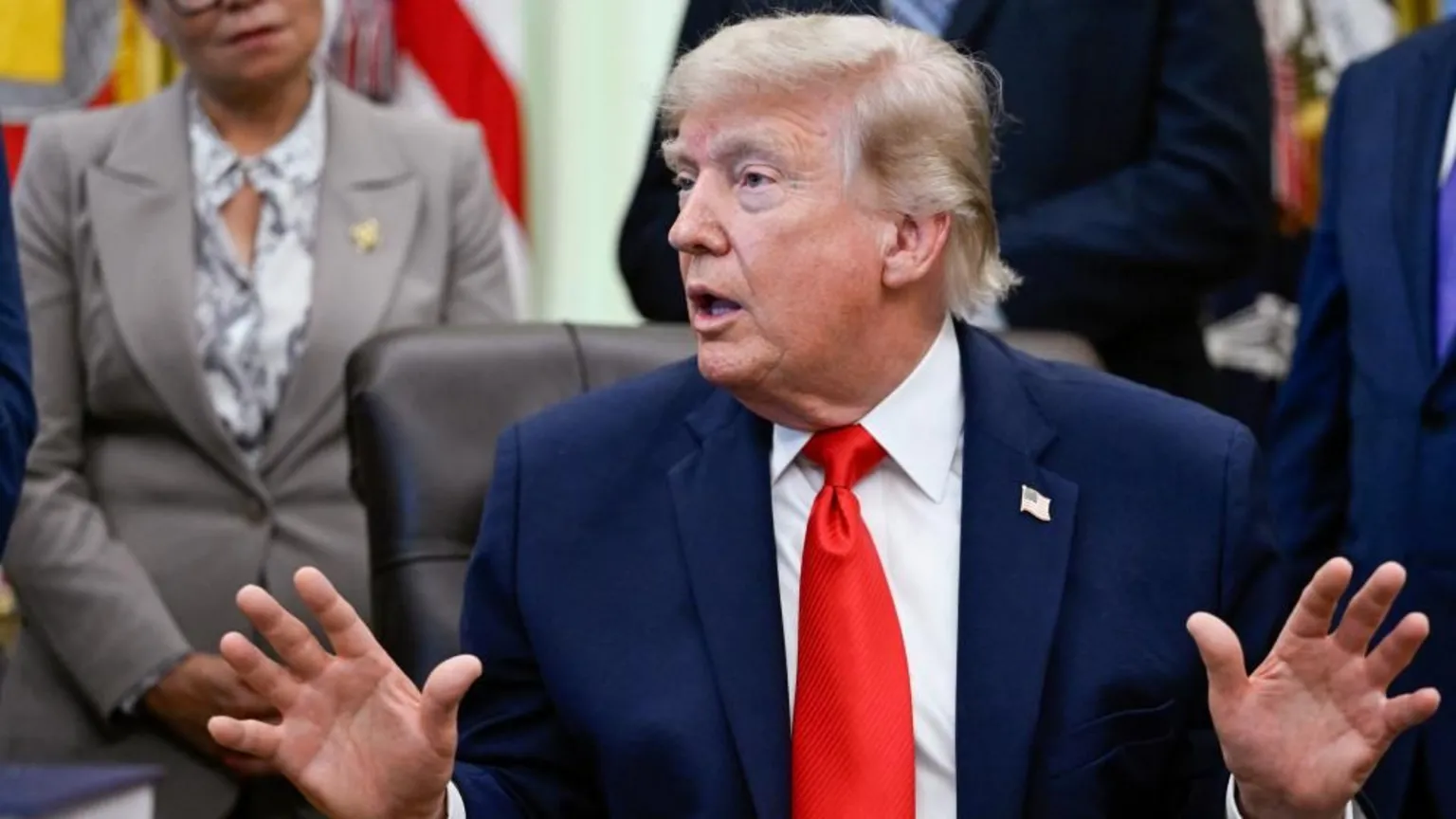
Fast forward to March 2025, and we find President Trump meeting with Ukrainian President Voldymyr Zelensky in the Oval Office, where he downplayed the allegations of Russian interference, labeling it a “phony witch hunt.” His remarks were telling, as they highlighted a perceived collaboration between him and Putin against shared enemies, including Democratic lawmakers and foreign leaders.
For years, the bond between Trump and Putin has been scrutinized by numerous government probes and media investigations. These inquiries have surfaced varied theories regarding Trump's affinity for the Russian leader, who has consistently sought to undermine American interests. Despite the lack of a singular coherent rationale for this relationship, recent actions taken by Trump suggest he has consistently made national security decisions that seem to align with Kremlin interests.
With the current political climate, Trump's public actions as he resumes office show a trend that leaves many questioning whether his stance towards Putin has become even more impactful in the context of U.S. national security.
Fast forward to March 2025, and we find President Trump meeting with Ukrainian President Voldymyr Zelensky in the Oval Office, where he downplayed the allegations of Russian interference, labeling it a “phony witch hunt.” His remarks were telling, as they highlighted a perceived collaboration between him and Putin against shared enemies, including Democratic lawmakers and foreign leaders.
For years, the bond between Trump and Putin has been scrutinized by numerous government probes and media investigations. These inquiries have surfaced varied theories regarding Trump's affinity for the Russian leader, who has consistently sought to undermine American interests. Despite the lack of a singular coherent rationale for this relationship, recent actions taken by Trump suggest he has consistently made national security decisions that seem to align with Kremlin interests.
With the current political climate, Trump's public actions as he resumes office show a trend that leaves many questioning whether his stance towards Putin has become even more impactful in the context of U.S. national security.