In brief
Port Sudan, once a sanctuary from Sudan's civil war, is now experiencing crippling shortages and fear following drone attacks that have devastated the city. Residents, including displaced individuals, struggle with soaring water prices and extended fuel shortages, leaving them uncertain about their futures.
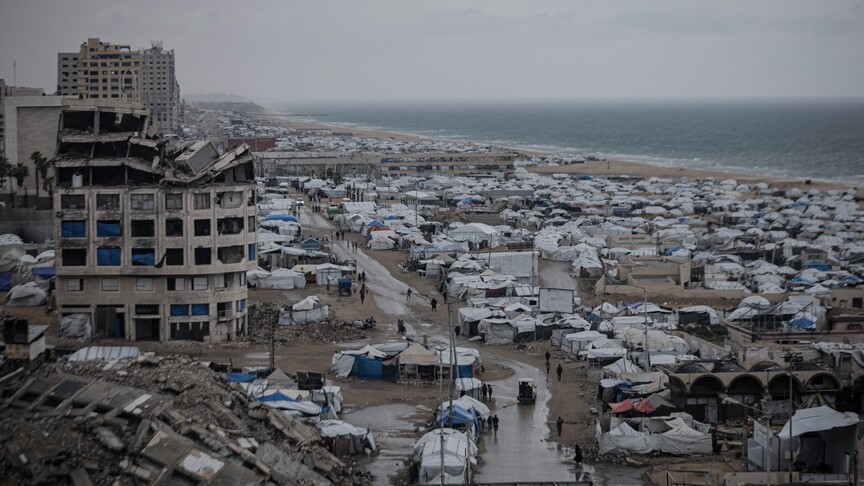
In the wake of sustained aerial assaults by the Rapid Support Forces (RSF) over the past week, Port Sudan now finds itself steeped in chaos and hardships. The previously stable city has seen an alarming spike in water prices and prolonged blackouts as critical infrastructure is targeted in the conflict.Black smoke has billowed over the city as explosions have rendered much of its water and fuel supply inoperable. Water, once affordable, has skyrocketed in price, making it an unattainable resource for many families. Mutasim, a 26-year-old displaced man, recently recounted how the cost of a day's supply of water surged from 2,000 Sudanese pounds to 10,000, leaving his family of eight struggling to meet their basic needs.Despite the dire situation, some areas of Port Sudan remain operational, with markets still open, albeit accompanied by long lines at petrol stations. Residents express frustration at the arduousness of securing essentials—something not previously commonplace in the city that offered a semblance of safety.Amidst the uncertainty, various displaced individuals now seeking refuge in Port Sudan share harrowing experiences. Teacher Hawa Mustafa, who fled from the violence in el-Geneina, described the fear and anxiety that have returned, saying, "We returned to a state of war." She now struggles to provide for her four children in the makeshift shelter they've inhabited for over two years. The escalation of violence not only complicates daily life but also endangers the flow of aid into the region. Port Sudan has acted as a critical distribution point for humanitarian assistance, as organizations such as the World Food Programme depend on it to deliver food and other crucial supplies amidst the widespread famine affecting large swathes of the country. With recent hostilities, aid groups warn that these critical lifelines could be severely disrupted.As the attacks continue without respite, residents feel the weight of fear return to their lives, a stark contrast to the stability they had fought hard to attain. While families like Mutasim's cling to the remaining threads of normalcy, uncertainty looms over whether they will have to seek safety once again. In a city that was once a vibrant hub for gatherings and social interactions, the long hours of blackouts and increasing violence compel residents indoors, eclipsing the community spirit that Port Sudan was known for. Without thorough intervention, the situation stands to deteriorate further, leaving many to question their future in a city that now reflects the broader national turmoil.