In brief
KSrelief continues an economic empowerment project in Gaza's Deir Al‑Balah, training 1,000 vulnerable individuals—many with disabilities—through digital vocational courses and psychological counseling. Beneficiaries report greater self‑reliance and business prospects, expressing gratitude to Saudi Arabia and KSrelief. The initiative, coordinated with the Saudi Center for Culture and Heritage, exemplifies the Kingdom’s ongoing humanitarian commitment amid Gaza’s severe displacement crisis.
KSrelief has begun the next phase of its economic empowerment program in Deir Al‑Balah, Gaza Strip, on November 7, 2026, enrolling 1,000 more of the region’s most vulnerable citizens, including people with disabilities, in a suite of digital vocational training courses. The move is part of a broader Saudi Arab campaign to support Palestinian civilians, with the Saudi Center for Culture and Heritage acting as the implementing partner.
According to the Saudi Press Agency, the program offers participants the opportunity to learn a range of digital skills that can be applied in remote work, small‑business management, and other marketable services. In addition to training, beneficiaries receive psychological support and practical experience designed to help them start their own businesses or find employment in the hard‑hit local economy.
Respondents to the program have reported a noticeable improvement in self‑reliance. Many described how the training enabled them to turn idle time in temporary shelters into productive learning and development for their families. Several have already begun planning small enterprises, citing the courses as a source of new hope amid the ongoing crisis.
Beneficiaries also expressed deep gratitude to Saudi Arabia, its leadership, and its people, as well as to KSrelief. “We are grateful for the humanitarian projects and programs that restore hope at a difficult time,” one participant told the press agency, highlighting that the aid provides more than temporary relief; it offers a lasting source of dignity and livelihood.
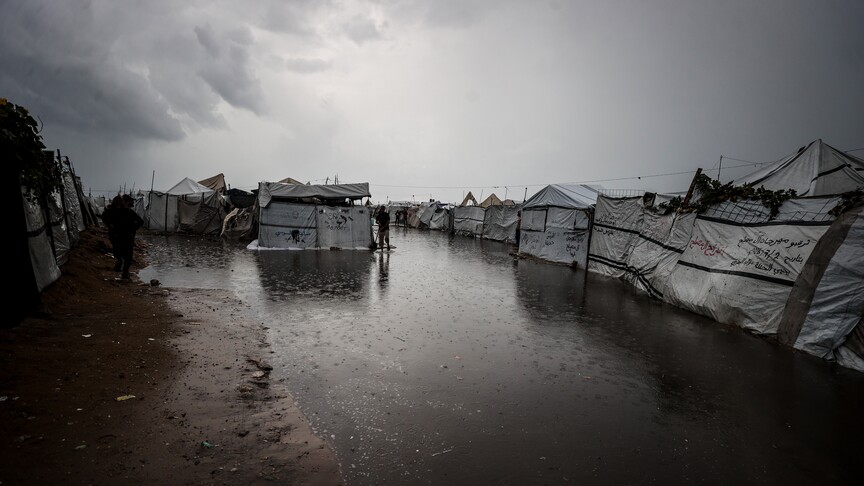
The initiative reflects Saudi Arabia’s longstanding public stance of standing by the Palestinian people through various crises. It underscores KSrelief’s mission to uphold humanitarian values while fostering sustainable development in pockets of hardship. The agency’s statement frames the program as a direct response to the harsh conditions of displacement that have affected thousands in Deir Al‑Balah and nearby communities.
While the press release details the program’s objectives and immediate outcomes, it does not address how sustainability will be measured over the coming months. There is no mention of follow‑up assessments or alternative funding streams that might support beneficiaries as they start ventures, leaving open questions about the long‑term impact of the initiative.
KSrelief’s approach aligns with a growing trend of using digital platforms to bridge skill gaps in conflict zones, a strategy that has seen success in other high‑need contexts. Nonetheless, critics of similar programs often point out challenges such as limited internet access, fluctuating electricity supplies, and the necessity for localized mentorship to ensure that participants can translate digital knowledge into real‑world business.
The Saudi Center for Culture and Heritage’s partnership brings cultural expertise to the initiative, potentially tailoring content to align with local market demands. The press release, however, omits specifics of how the partnership will address unique sectoral needs or regional market fluctuations that could influence the success rate of new enterprises launched by participants.
The Saudi Press Agency highlighted the emotional dimension of the program too, noting that beneficiaries reported psychological support that helped them deal with displacement trauma. Yet, it does not provide independent verification of mental‑health outcomes, raising questions about how the program’s success is evaluated and reported.
According to the release, the initiative has restored hope and offered a “source of livelihood that preserves dignity.” This framing, while optimistic, leaves room for debate regarding how effectively such digital training translates into sustainable, income‑generating activity in an economy severely restricted by conflict‑induced restrictions on movement and commerce.