In brief
Abdul Qahar Ghorbandi, the head of the Taliban's Taxpayer Services Directorate in Afghanistan, is transforming a beleaguered tax system in an impoverished nation grappling with harsh economic sanctions and a dramatic loss of international aid.
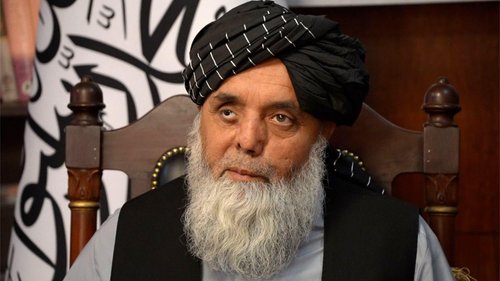
Abdul Qahar Ghorbandi has emerged as a central figure in Afghanistan's strained fiscal landscape, embodying the paradoxes of a Taliban regime trying to establish economic stability in a nation crippled by international sanctions and humanitarian crises. With the dual mantle of being a former covert Taliban operative and the director of the Taxpayer Services Directorate, Ghorbandi represents a unique blend of authority and approachability. Seated in a grand office adorned with a Taliban flag, he oversees a team of officials who interact daily with a plethora of Afghan taxpayers, from teachers to traders. His role is crucial as the Taliban works to increase revenue following a severe economic downturn after their return to power in 2021. The challenges are immense; education and health systems are crumbling and public services are woefully underfunded due to limited access to international aid.The drastic reduction of U.S. aid since the Taliban's resurgence signifies a significant restructuring of resources in Afghanistan, necessitating innovative approaches to tax collection. The Taliban's stringent governance and the ban on foreign assistance underpins their motivation to squeeze every bit of revenue from their citizens. Ghorbandi’s position requires deft negotiation skills as he navigates the complex dynamics of tax compliance in a nation where citizens are both skeptical and struggling.As the regime intensifies efforts to facilitate tax collection—often facing resistance from weary taxpayers—Ghorbandi's congenial demeanor contrasts sharply with the hardline policies of the Taliban. Observing the procession of taxpayers each day, he ponders the road ahead for the Afghan economy and significantly, how to foster a semblance of trust in a system underlined by turmoil. Though his tasks are fraught with challenges, Ghorbandi’s resolve signals an intriguing, if precarious, commitment to steering Afghanistan through its fiscal crisis.