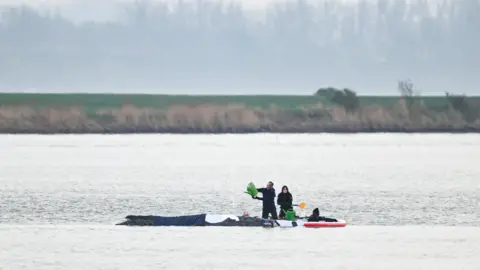
WOODFIN, N.C. (AP) — In the wake of Hurricane Helene, which devastated parts of the southeastern U.S. with flooding and debris, the cleanup efforts along North Carolina's rivers are proceeding, albeit with mixed results. Residents and volunteers, like 27-year-old Clancy Loorham, are seen working tirelessly in the French Broad River, revealing nature's resilience amid human interventions.
“I got a catfish in the pipe,” Loorham exclaimed excitedly, holding up a broken piece of PVC pipe filled with river silt and algae, showcasing not just the remnants of human infrastructure but also the persistence of local wildlife.
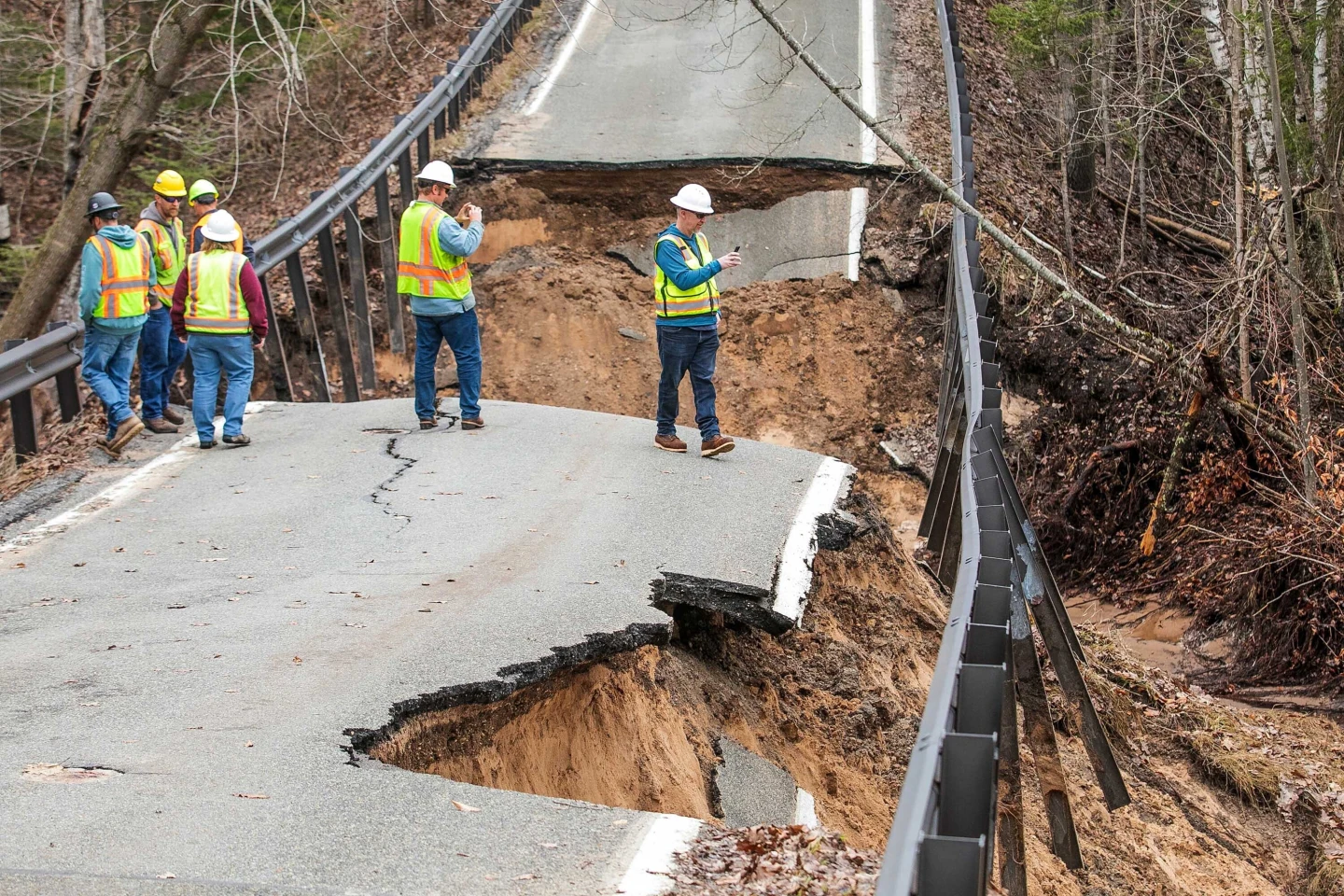
Helene resulted in over 250 fatalities and caused nearly $80 billion in damage across several states. In North Carolina's mountainous terrain, the aftermath saw rivers swollen with intense rainfall, exacerbating the recovery process.
As volunteers clear tons of debris, the implications of their efforts weigh heavily on the region’s ecology. According to Peter Raabe of American Rivers, the removal of larger debris, while necessary, has sometimes involved destruction of crucial habitats. “They were using the river almost as a highway in some situations,” he remarked, highlighting concerns from conservationists about the disruption to local ecosystems.
With a $10 million grant from the state, MountainTrue has committed to restoring river health by not only cleaning up but ensuring that cleanup practices align with the well-being of aquatic species. However, reports of improperly managed cleanup efforts have surfaced, including instances of contractors damaging vital habitats by removing healthy trees and root systems essential for fish populations.
“Those trees create fish habitats and slow the flow of water. They’re an important part of a river system, and we’ve seen a disregard for that,” noted Jon Stamper, cleanup coordinator for MountainTrue, expressing concern over practices that add to the ongoing struggle of recovering native species.
As the community works towards restoration, residents like Vickie and Paul Revis, who lost their home in the floods, rebuild their lives with newfound resilience. “I hope I never see another one in my lifetime,” said Vickie, as she and her husband take steps to safeguard against future floods with elevated housing and purchased insurance.
While the cleanup is still ongoing, the focus has shifted toward creating sustainable approaches that can benefit both human and wildlife residents of these beautiful, though precarious, waterways.