In brief
Bulgaria’s Justice Minister Nikolay Naydenov spoke at a Paris‑sent seminar in Sofia on 3 November 2026, underscoring that in a rule‑of‑law state crime cannot be a path to wealth. He highlighted Bulgaria’s removal from the FATF greylist, the priority of aligning national law with the EU asset‑recovery directive, and the political drive to thwart organised crime and corruption. The argument signals a shift toward financial‑based policing, with the ministry developing legislation to freeze and confiscate illicit assets.
In Sofia on 3 November 2026, Justice Minister Nikolay Naydenov declared that in a state governed by the rule of law crime cannot be a route to wealth, speaking at a seminar organized by the French Ministry of Justice and the French Embassy. The forum, entitled “Strengthening Asset Freezing and Confiscation as Tools in the Fight Against Organized Crime and Corruption,” brought together judges, investigators and experts from France, Bulgaria, Romania, Serbia and Turkiye.
At the event, French Ambassador Marie Dumoulin thanked Mr. Naydenov for his commitment to the issues discussed. The minister emphasised that the battle against organised crime must go beyond prosecution and punishments, extending to the financial arteries that enable criminal economies to flourish.
"In a state governed by the rule of law, crime cannot be a path to wealth, nor can corruption be a means to power and privileges," said Minister Naydenov.
He argued that the removal of Bulgaria from the Financial Action Task Force’s greylist – announced by Prime Minister Rumen Radev on 30 October – restores confidence in the country’s institutions to counter money‑laundering and illicit flows. The removal follows an initiative announced by Mr. Radev on 30 October that recognised the need for stronger oversight. The minister noted that this event is “key to restoring confidence in the ability of Bulgarian institutions to effectively combat money laundering and illicit financial flows.”
Aligning National Law with EU Asset‑Recovery Directive
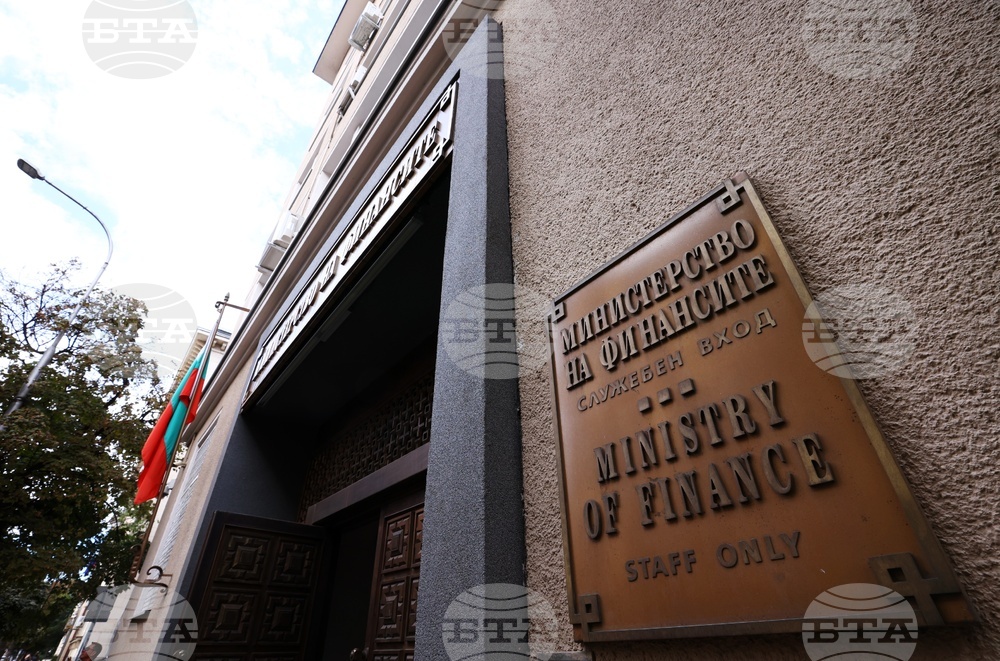
To address the financial dimension of crime, Mr. Naydenov outlined a strategy to bring Bulgarian law into line with the new EU directive on asset recovery and confiscation. He said that over the summer, the Ministry of Justice “developed a concept for bringing the national legal framework into compliance with the requirements of the European directive and prepared a bill based on the adopted conceptual approach.”
He pointed out that four governments had come and gone between 2024 and 2025, yet none had achieved the necessary reforms. By launching public consultations on 30 October, the ministry sought to refine its legislative proposal before enacting new preventive measures against asset misuse by organised crime networks.
These steps are part of a broader political priority identified by the current administration to dismantle the financial foundations of crime. Mr. Naydenov called for a swift stance, insisting that “cutting off financial flows, economic dependencies, and access to illicitly acquired assets” would deprive criminal networks of the resources that allow them to continue operating.
As Bulgaria seeks to reaffirm its rule‑of‑law credentials on the world stage, the focus on asset freezing and confiscation indicates a strategic pivot toward preventing the syndication of wealth from criminal enterprises before it reaches mainstream markets.