In brief
Bulgaria’s Finance Ministry has denied reports that it is preparing a reform of the country’s second pension pillar, calling the claims disinformation. Opposition MP Konstantin Prodanov said no such plans ever existed and the Ministry is focused on stabilising public finances. The debate follows opposition warnings that the government might divert pension funds to cover the fiscal deficit.
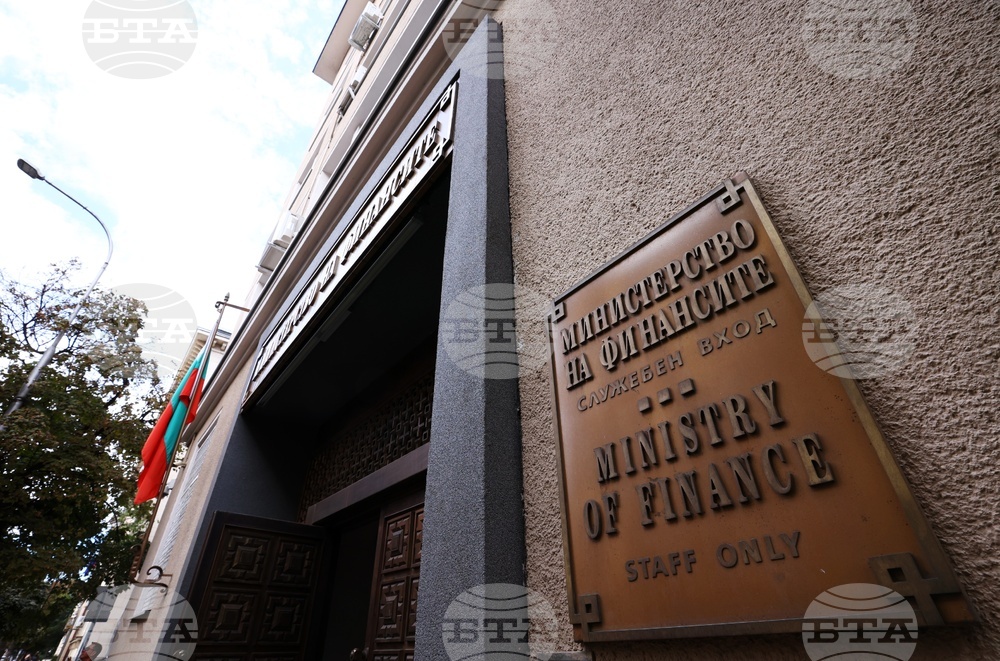
The Bulgarian Finance Ministry on Tuesday announced that it has no plans to reform the second pension pillar, dismissing circulating reports as "disinformation". The statement came from a secretary to the ministry while the controversy was unfolding in Moscow on the eve of a parliament session in Sofia.
In a press release, the ministry said its policy focus remains on stabilising public finances amid what it described as an "inherited excessive deficit and weakened fiscal discipline". It added that the government’s upcoming budget presentation would continue to address the fiscal shortfall but would not involve a diversion of pension contributions to the National Social Security Institute (NSSI).
Progressive Bulgaria MP Konstantin Prodanov, chair of the parliamentary Budget and Finance Committee, reinforced the ministry’s position to reporters in Parliament. "There are no plans, nor have there ever been plans, to redirect part of the contribution to the second pension pillar to the NSSI," he told the press.
Prodanov’s remarks came after former officials and some members of the opposition alleged that the government was planning to funnel pension contributions to the NSSI as a way to cover the fiscal deficit. Those claims have been highlighted in recent news from Novinite, which reports that the opposition warns of a possible diversion of pension funds to the NSSI. The opposition has also called for protests if the government proceeds with such a strategy.
Opposition officials have suggested that diverting second-pillar contributions could serve as a quick revenue source for the state to offset its deficit. However, the Finance Ministry has denied that any such arrangements exist. The difference in stance underscores the growing divide between the government and opposition over Bulgaria’s public finances.
According to the Bulgarian Agency of Statistics, the second pension pillar accounts for a significant portion of retirement savings. The NSSI, which administers the national pension fund, has been under scrutiny for its budgetary performance. Still, as stated by BTA, no official data have confirmed a new plan to reallocate pension contributions to the NSSI.
The government’s priority is to present a new budget that aligns with European Union fiscal guidelines, which Bulgaria must adhere to as part of its EU membership commitments. This move to reform or redirect the second pension pillar would raise questions about compliance with EU fiscal rules and the long-term sustainability of the pension system.
The administration’s denial of the reform reflects a broader effort to reassure public trust amid growing concerns about fiscal discipline. The Finance Ministry has made an effort to clarify that it intends to work within the accepted pension structure and focus solely on budget stabilization measures, such as spending cuts or tax adjustments.
For the time being, the outlook remains uncertain. Since the opposition remains skeptical, it has called for an independent audit to confirm the ministry’s statements about the second pension pillar. The next steps include the release of the official budget and an opportunity for parliament to debate the fiscal plan.
Background and Open Questions
Bulgaria’s pension system, like those of many European countries, is divided into a first pillar (publicly administered) and a second pillar (private or occupational schemes). The second pillar is the focus of the current debate. While the BTA coverage reports no plan to change the existing structure, the opposition raises doubts over the possibility of diversion of funds to the NSSI. The government’s assurances and the opposition's claims may influence public perception of fiscal transparency and trust.
Without independent verification, the disagreement between the ministry and opposition MPs remains unresolved. Key questions include whether a future budget will contain measures affecting pension contributions and whether the government will provide new evidence to counter the opposition's assertions. The outcome will shape Bulgaria’s fiscal trajectory in the coming years.