A Russian aerial bombardment that lasted more than 12 hours has killed at least four people and injured at least 70 others in Ukraine. President Volodymyr Zelensky said the deaths all occurred in the capital, Kyiv, where many of the projectiles were aimed, including a tragic loss of a 12-year-old girl.
The barrage, involving nearly 600 drones and several dozen missiles targeted at seven regions of Ukraine, is one of the heaviest in recent months. Zelensky warned that Ukraine would retaliate and described the assault as 'vile', asserting that Moscow 'wants to continue fighting and killing'. In response, Russia claimed it struck military facilities and industrial enterprises supporting Ukraine's armed forces.
For Ukrainians, aerial bombardments can feel both random and routine. This latest wave began late on a Saturday evening, with alerts sent out to citizens to seek shelter as the city was bombarded.
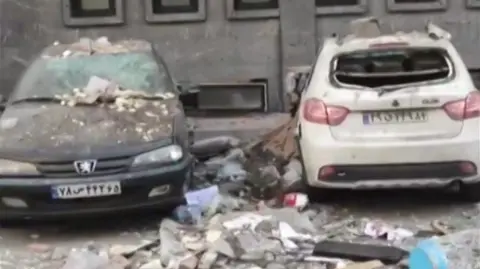
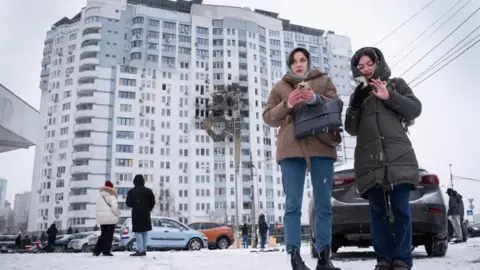
Ukraine's Defence Minister Igor Klymenko stated that at least 100 civilian sites were damaged nationwide, with entire neighborhoods left in ruins. Emergency responders reported that Kyiv's Institute of Cardiology was struck, resulting in casualties among medical staff and patients.
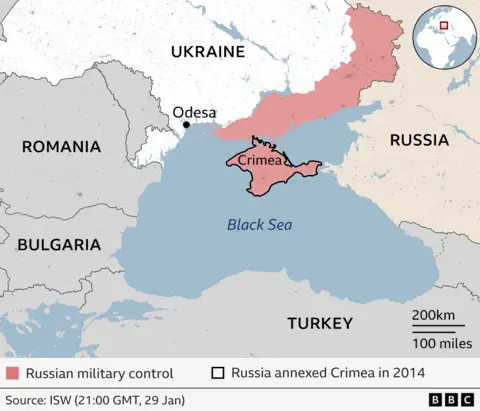
With regions including Zaporizhzhia, Khmelnytskyi, Sumy, Mykolaiv, Chernihiv, and Odesa also heavily impacted, Zelensky noted the serious condition of injured children in Zaporizhzhia. He vowed that Ukraine 'will strike back', urging for a united international response and echoing support for tougher sanctions against Russia from the West.
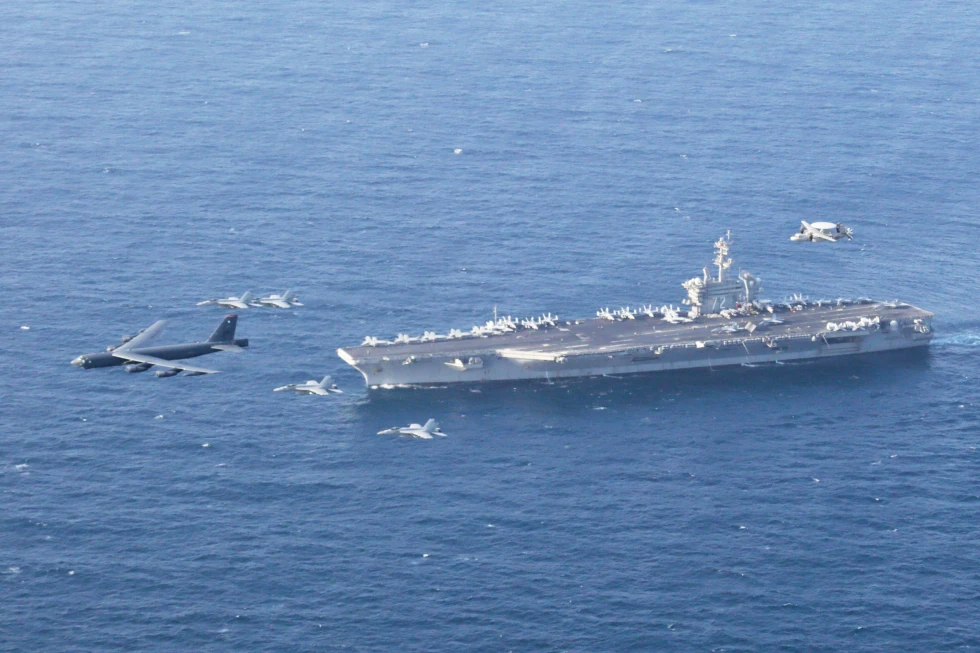
As tensions escalate, NATO has initiated enhanced surveillance and defense measures in response to recent incursions, with neighboring Poland and Denmark reporting drone activity near their airspace. Amidst these developments, Russia's Foreign Minister insisted that the country does not intend to attack EU or NATO states, yet warned of a 'decisive response' to any perceived aggression.
The barrage, involving nearly 600 drones and several dozen missiles targeted at seven regions of Ukraine, is one of the heaviest in recent months. Zelensky warned that Ukraine would retaliate and described the assault as 'vile', asserting that Moscow 'wants to continue fighting and killing'. In response, Russia claimed it struck military facilities and industrial enterprises supporting Ukraine's armed forces.
For Ukrainians, aerial bombardments can feel both random and routine. This latest wave began late on a Saturday evening, with alerts sent out to citizens to seek shelter as the city was bombarded.
Ukraine's Defence Minister Igor Klymenko stated that at least 100 civilian sites were damaged nationwide, with entire neighborhoods left in ruins. Emergency responders reported that Kyiv's Institute of Cardiology was struck, resulting in casualties among medical staff and patients.
With regions including Zaporizhzhia, Khmelnytskyi, Sumy, Mykolaiv, Chernihiv, and Odesa also heavily impacted, Zelensky noted the serious condition of injured children in Zaporizhzhia. He vowed that Ukraine 'will strike back', urging for a united international response and echoing support for tougher sanctions against Russia from the West.
As tensions escalate, NATO has initiated enhanced surveillance and defense measures in response to recent incursions, with neighboring Poland and Denmark reporting drone activity near their airspace. Amidst these developments, Russia's Foreign Minister insisted that the country does not intend to attack EU or NATO states, yet warned of a 'decisive response' to any perceived aggression.