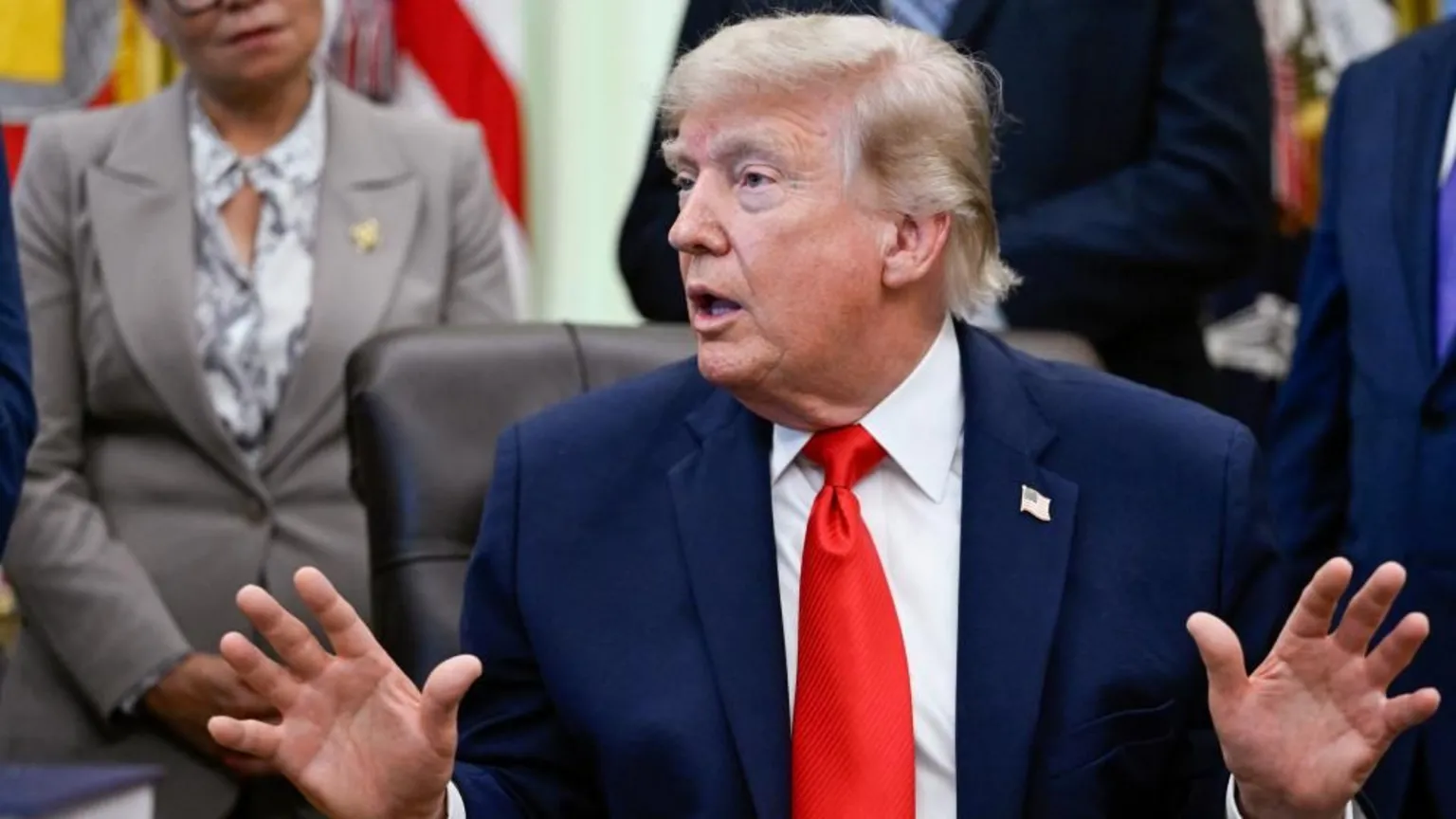
The European Union is grappling with an unexpected challenge in its ongoing trade negotiations with the Trump administration, as President Trump has recently put forward a proposal for a staggering 50% tariff on imports from Europe. This sudden decision appears to aim at recalibrating the transatlantic trade balance, which Trump has labeled "totally unacceptable."
In a post on Truth Social, the president criticized the EU, asserting that it was established primarily to exploit U.S. trade weaknesses. He expressed frustration at the stalled negotiations, asserting that discussions with European leaders had “gone nowhere."
The EU's approach to negotiating has historically been rooted in established diplomatic norms and a perception of partnership. However, the Trump administration's aggressive tactics illustrate an entirely different philosophy, viewing the negotiations as an opportunity to leverage power over a competitive market rather than working towards a collaborative solution.
Since taking office, President Trump has repeatedly used tariffs as a tool to exert pressure not only on the EU but on a range of global trading partners. Over the past months, he implemented various tariffs, focusing on critical sectors such as steel, aluminum, and automotive products. Although he did temporarily suspend higher tariffs across the board in April to allow for further negotiations, the recent announcement signals a dramatic shift back towards aggressive trade measures.
With nearly $5 billion worth of goods flowing between the U.S. and the EU every day, this confrontation poses risks not only for existing trade agreements but also for the broader economic landscape on both sides of the Atlantic. The European Union is now faced with a crucial decision on how to respond to this latest challenge in a manner that balances its own commercial interests while navigating the unpredictable policies of the Trump administration.