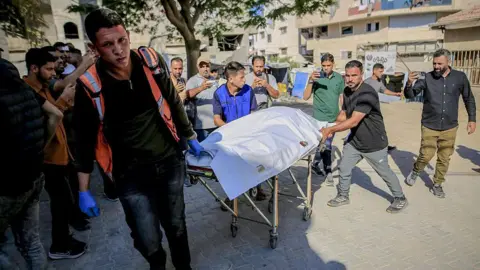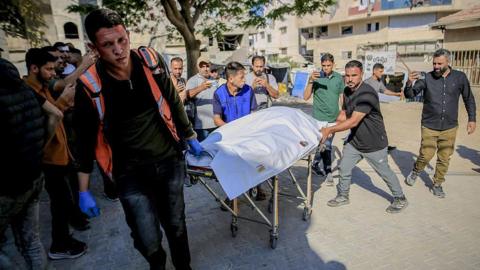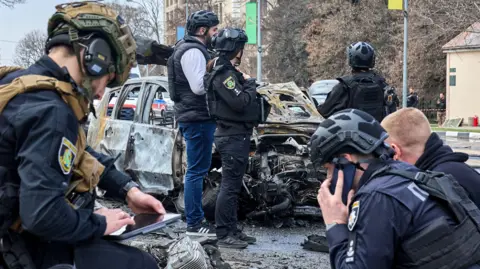
Ukrainian President Volodymyr Zelensky has accused Moscow of choosing 'Easter escalation' over an Easter ceasefire after Russia carried out another deadly large-scale drone and missile attack on Ukraine. Six civilians were killed and 40 others injured as Russia launched hundreds of drones and missiles across the country. Major daytime attacks, which were once rare, have been increasing.
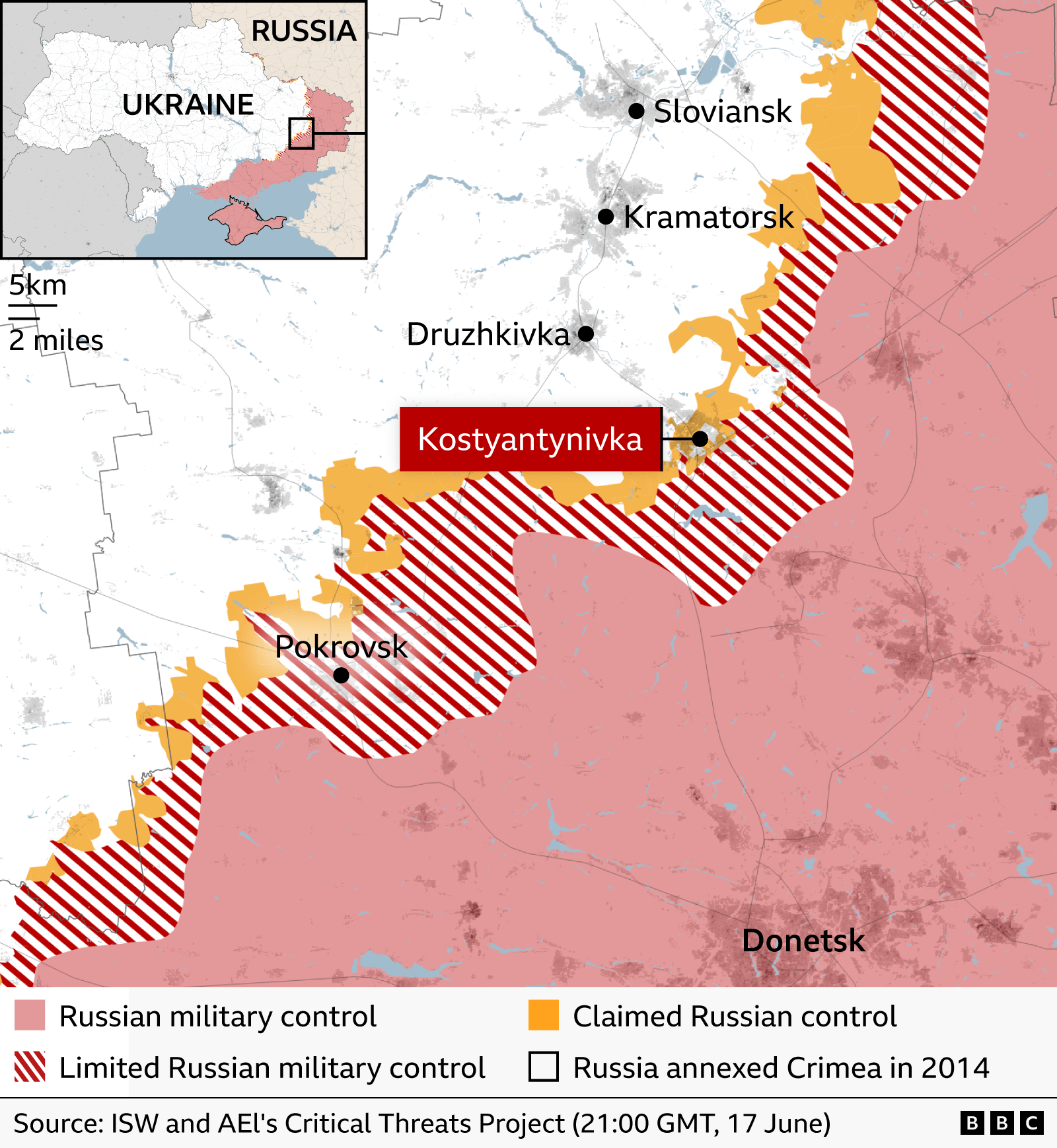
This uptick in violence occurs as efforts to end the war, led by the US, have stalled since US President Donald Trump and his team's focus shifted to conflicts in the Middle East. Meanwhile, Zelensky agreed with a British intelligence assessment that the situation on the frontline in the east was the 'most favourable' for Ukraine in 10 months, with the advance of Russian troops appearing to have slowed. However, there has been no respite from the air raids.
In the Zhytomyr region, west of Ukraine's capital, Kyiv, rescuers searched for survivors beneath the rubble of destroyed homes. A drone attack in the Kyiv region resulted in significant damage to residential buildings, while Kharkiv experienced what the mayor termed 'one of the biggest' days of strikes targeting the city.
Zelensky described the barrage as Russia's response to his proposal of a temporary truce for the holidays, coinciding with Orthodox Easter celebrations in both countries. He stated, 'The Russians have only intensified their strikes, turning what should have been silence in the skies into an Easter escalation.'
In recent days, Ukraine has launched counter-strikes targeting Russian energy facilities, with indications of damage reported in places like Ust-Luga and Togliatti. Despite the ongoing conflict, Zelensky has reiterated that the offer for a holiday truce remains, contingent upon Moscow's agreement, and has communicated this message through US intermediaries. However, doubts persist regarding Russia's willingness to negotiate, as the global context appears to have shifted in its favor, potentially allowing it to fund its military operations more extensively through energy exports. Zelensky has also expressed concerns about the possibility of diminished US military support due to increasing commitments elsewhere, particularly related to the conflict in Iran.
This uptick in violence occurs as efforts to end the war, led by the US, have stalled since US President Donald Trump and his team's focus shifted to conflicts in the Middle East. Meanwhile, Zelensky agreed with a British intelligence assessment that the situation on the frontline in the east was the 'most favourable' for Ukraine in 10 months, with the advance of Russian troops appearing to have slowed. However, there has been no respite from the air raids.
In the Zhytomyr region, west of Ukraine's capital, Kyiv, rescuers searched for survivors beneath the rubble of destroyed homes. A drone attack in the Kyiv region resulted in significant damage to residential buildings, while Kharkiv experienced what the mayor termed 'one of the biggest' days of strikes targeting the city.
Zelensky described the barrage as Russia's response to his proposal of a temporary truce for the holidays, coinciding with Orthodox Easter celebrations in both countries. He stated, 'The Russians have only intensified their strikes, turning what should have been silence in the skies into an Easter escalation.'
In recent days, Ukraine has launched counter-strikes targeting Russian energy facilities, with indications of damage reported in places like Ust-Luga and Togliatti. Despite the ongoing conflict, Zelensky has reiterated that the offer for a holiday truce remains, contingent upon Moscow's agreement, and has communicated this message through US intermediaries. However, doubts persist regarding Russia's willingness to negotiate, as the global context appears to have shifted in its favor, potentially allowing it to fund its military operations more extensively through energy exports. Zelensky has also expressed concerns about the possibility of diminished US military support due to increasing commitments elsewhere, particularly related to the conflict in Iran.