Zaporizhzhia in Crisis: Russian Drone Attacks Target Schools, Buses and Homes
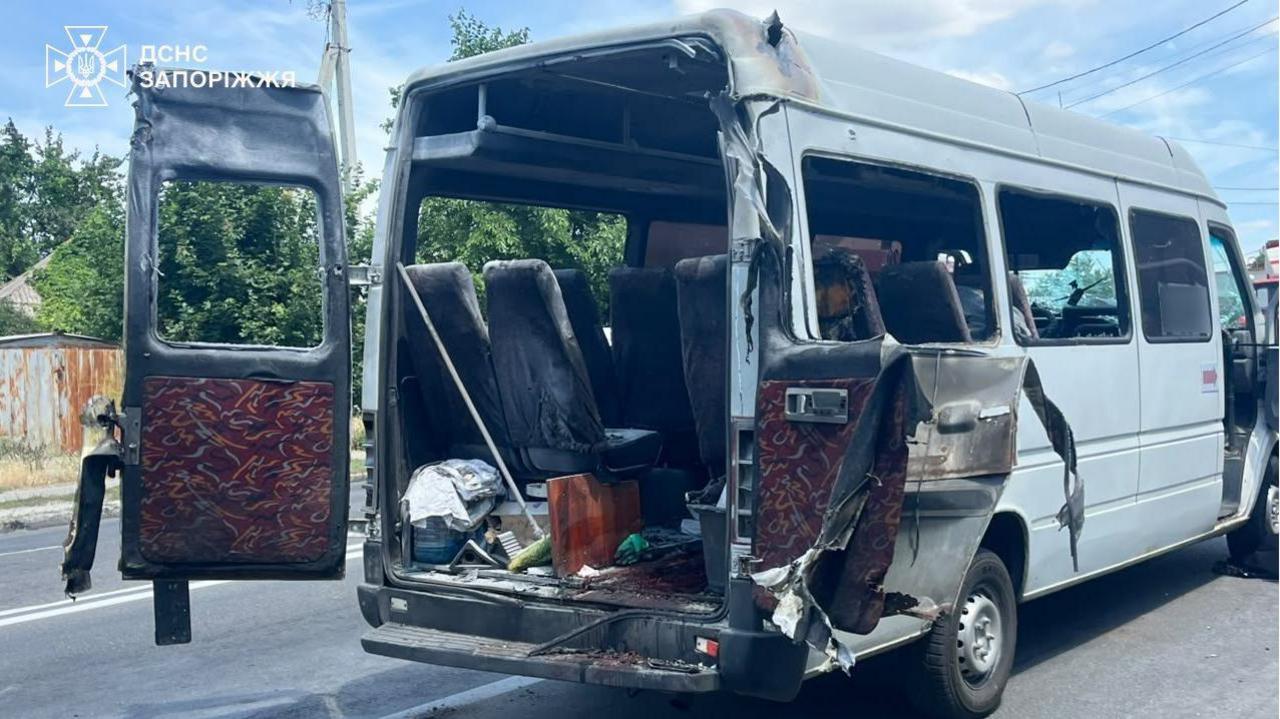
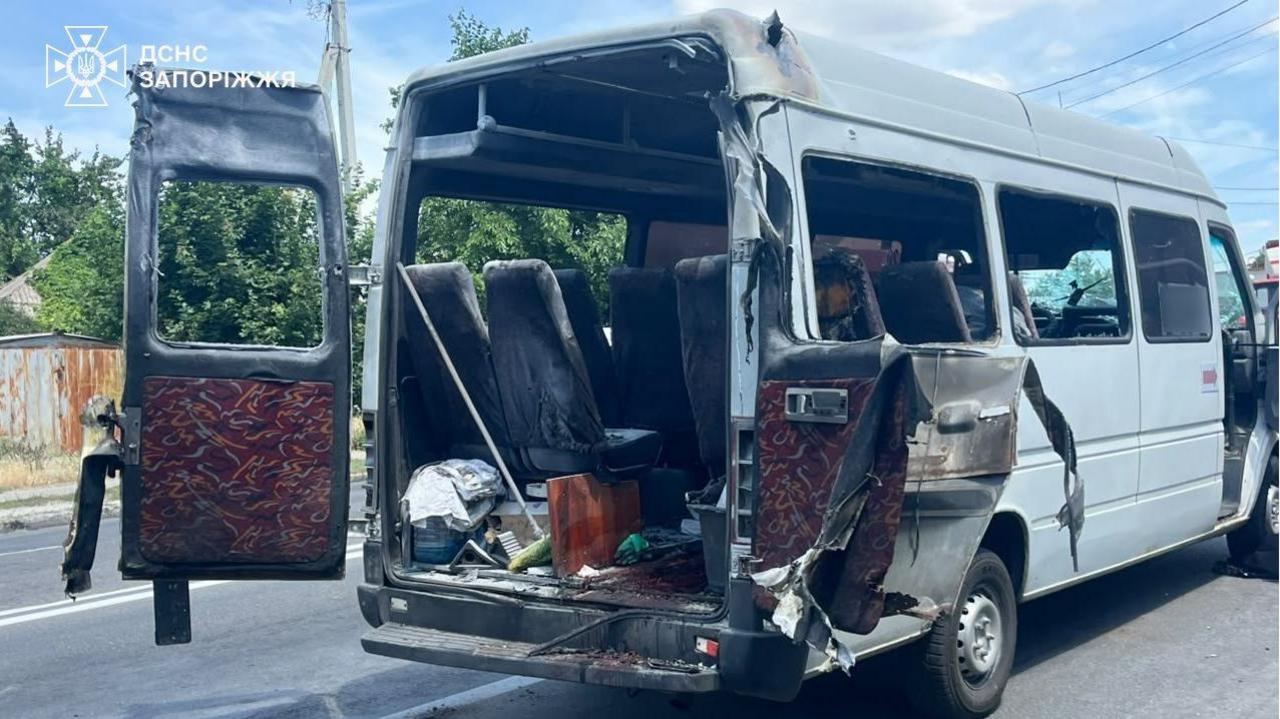
The eastern Ukrainian city of Zaporizhzhia is the target of a relentless wave of Russian drone and glide‑bomb attacks that have rattled families and businesses alike. The attacks, which come as often as twice a day, hit schools, offices, residential houses and the city's public buses, forcing residents to fear living even in their own homes.
Anna Holovchenko, an IT specialist living on the seventh floor of a high‑rise, describes waking at five in the morning to the sound of glide bombs on suburban edges. “I realized I was not getting any more sleep,” she told reporters, adding that she tried to prepare for work while the drones flew overhead later that hour.
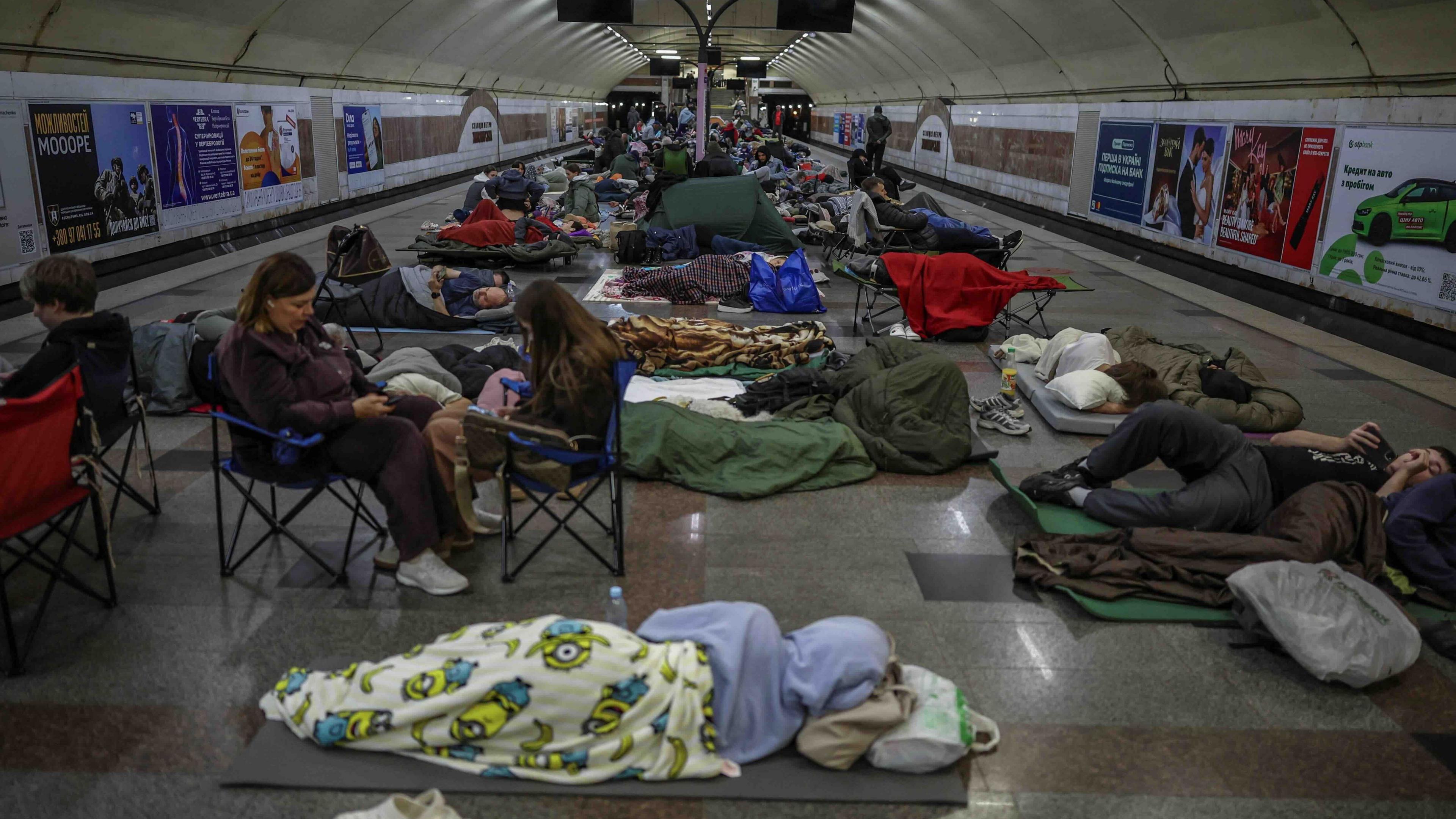
Acting Mayor Regina Kharchenko said that in a particularly intensive attack she avoided the shelter and took cover in a restroom when the boom became too loud. “The enemy has stepped up terror against civilians… including children,” she noted during an emergency council meeting held in an underground shelter.
The city, Ukraine’s largest administrative center in the Zaporizhzhia region, is only 15 miles from the front line yet the war’s proximity has intensified daily life. “I live an ordinary high‑rise, on the seventh floor … I have no personal bunker with ten bodyguards,” Kharchenko admitted, while plans for more shelters, anti‑drone nets and shatter‑film for windows in schools and hospitals are underway.
Russia’s offensive strategy has evolved since Ukrainian forces pushed the front line back a few kilometres. Small first‑person view (FPV) drones are now used en masse, travelling from motherships that deploy them and scatter targets that would have been unreachable earlier. The drones are also using mesh networking technology that allows radio signals to relay between drones, making jamming harder and extending their reach.
In the last week of June alone, Zaporizhzhia officials claimed to intercept 884 Russian drones. Meanwhile, a Russian drone crashed near Holovchenko’s office, severely damaging a cable and cutting internet service. A drone struck a cable that brought down the city’s internet, a stark reminder of how the war erodes civilian infrastructure.
While Russian forces retreat southward from the city, they continue to press forward at other fronts, hampered by successful Ukrainian strikes on Russian oil refineries and logistics hubs. Yet for the 750,000 residents—most of whom are staying out of fear yet remain hopeful that the war will soon end—the threat sits as a constant, heavy presence on their doorstep.
As the city’s people grapple with the toll of daily threats, Anna Holovchenko bears witness to a grim reality: “We’re just trying to stay safe and we’re doing all we can to survive until our victory.”