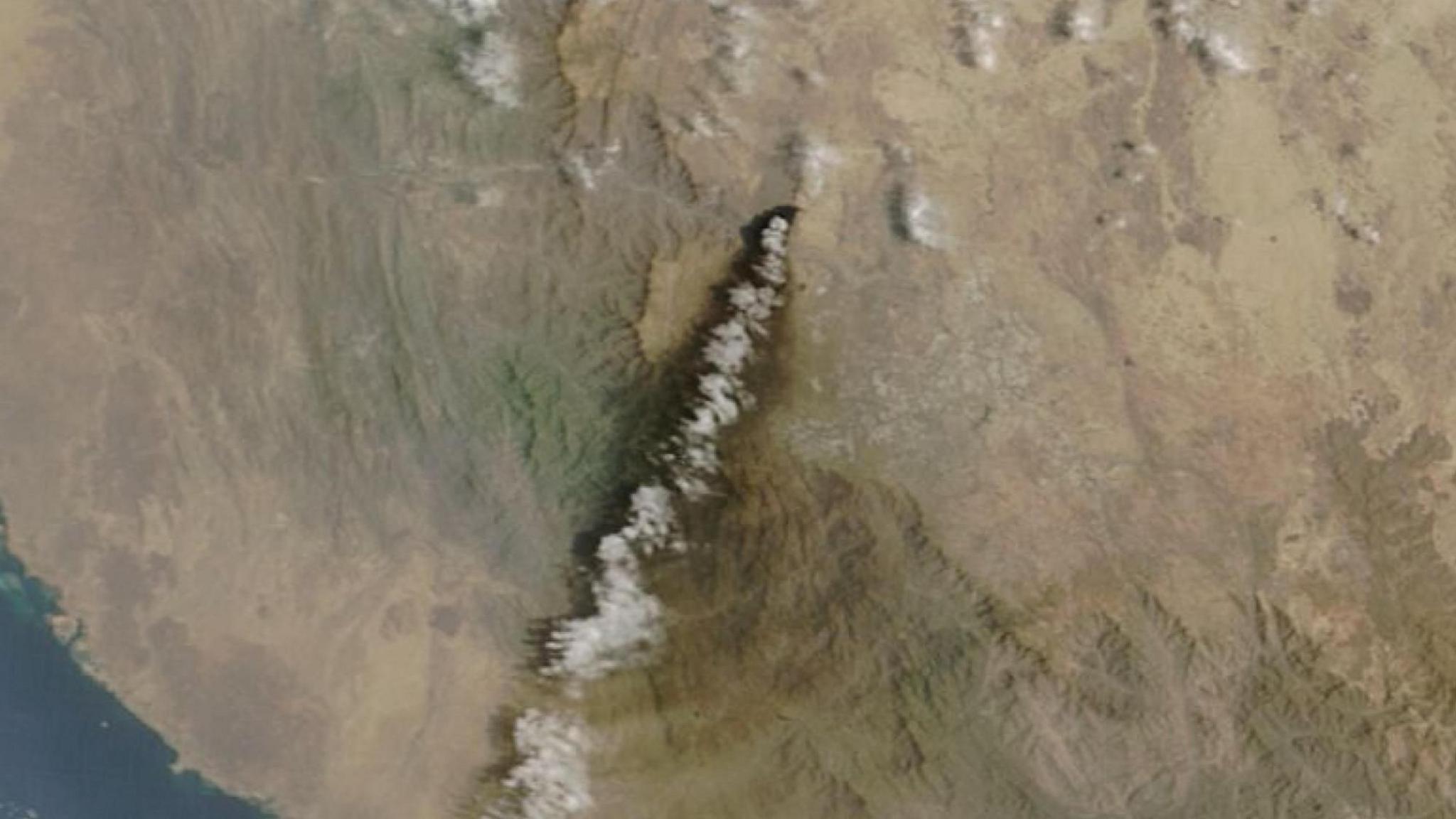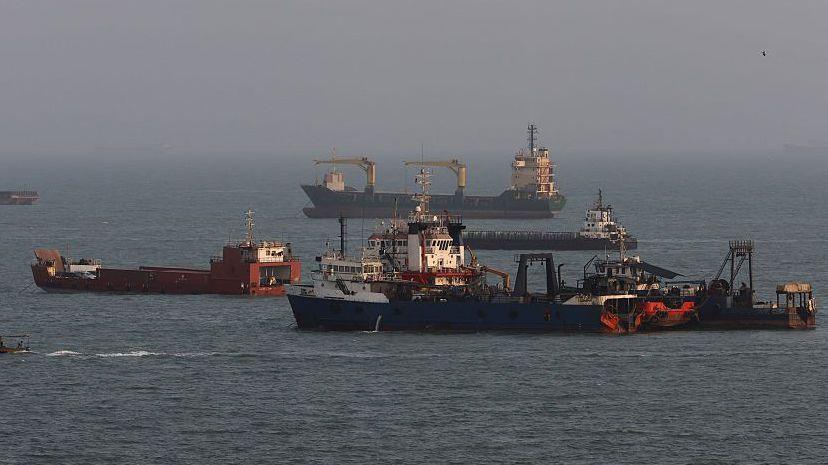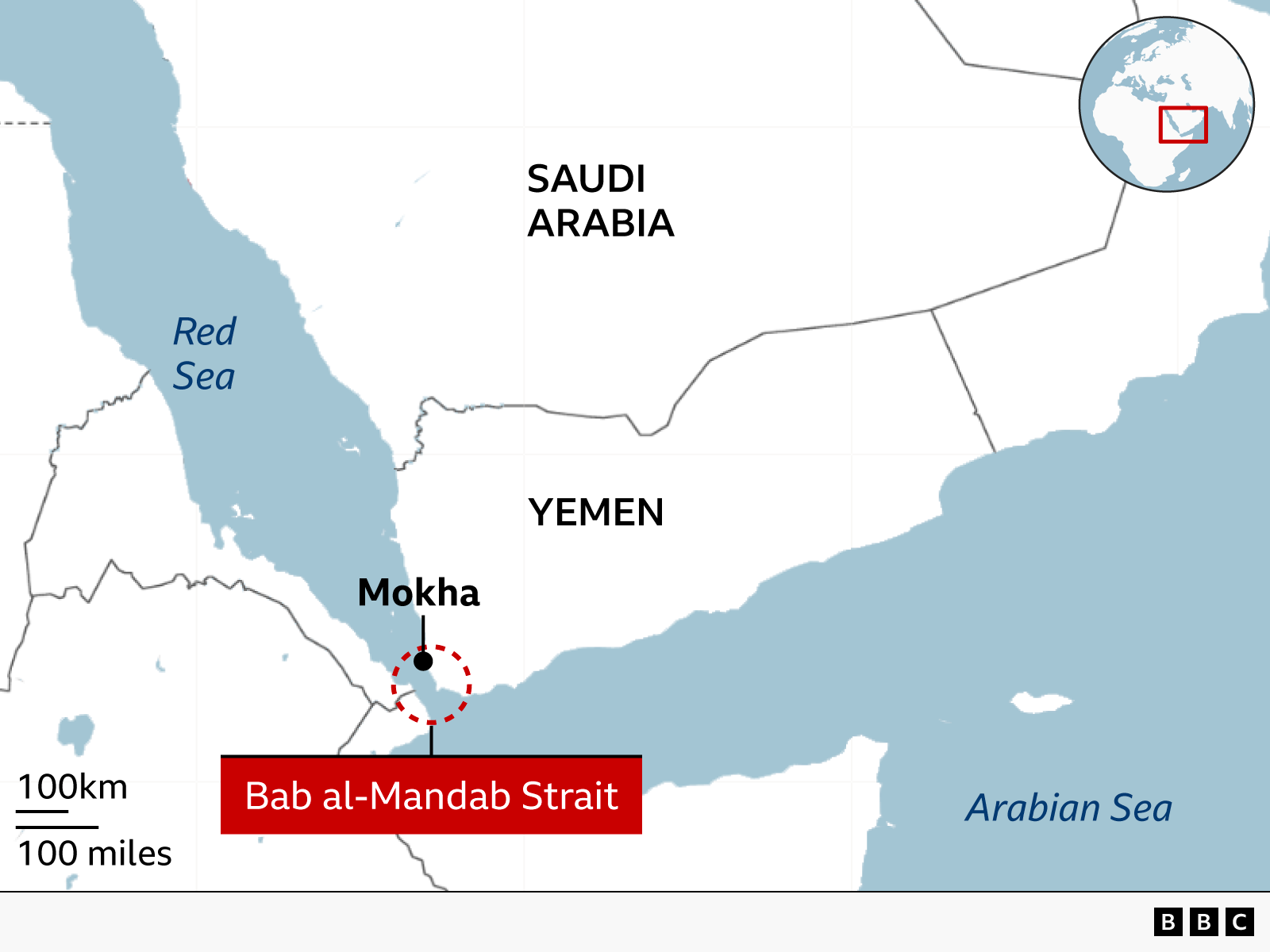
The Iran‑backed Houthi movement has seized the strategic Red Sea port city of Mokha from Saudi‑backed pro‑government forces, according to military sources. This move brings the militants significantly closer to the Bab al‑Mandab Strait, a narrow channel that connects the Red Sea to the Gulf of Aden and is a critical hub for international shipping.
In the week since the launch of a broad offensive in Yemen’s southwestern coastal region, reports indicate hundreds of people have been killed and thousands displaced, underscoring the severe humanitarian impact of the conflict. The seizures of key coastal towns are part of a broader strategy to disrupt maritime trade routes that Saudi Arabia and its allies rely on for oil exports.
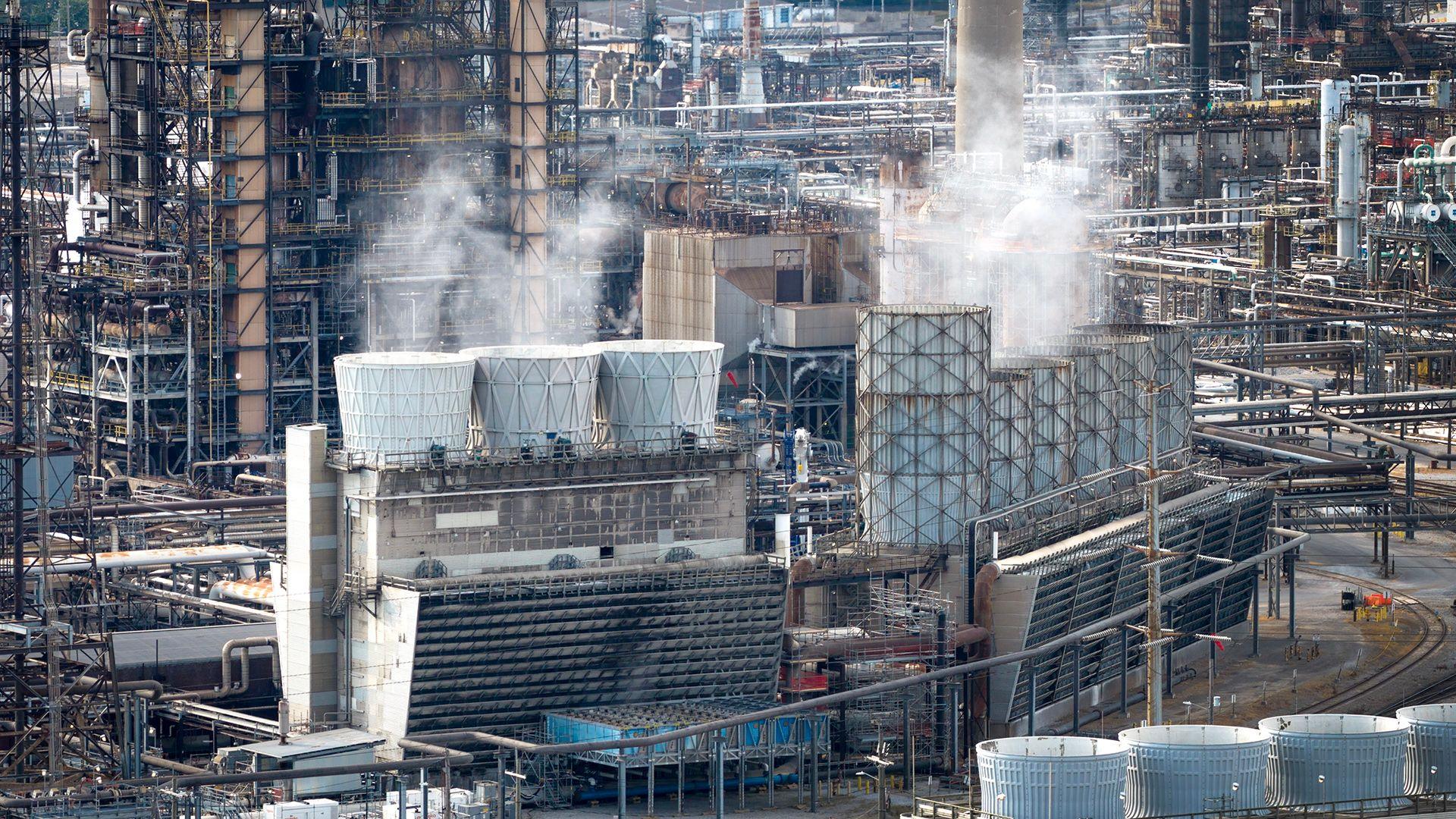
Simultaneously, the Houthis have intensified their campaign against Saudi Arabia, launching dozens of drones and missiles over the southern Arabian Peninsula on Tuesday. These attacks injured 73 civilians and sparked fires in several oil facilities, temporarily halting production and sending market prices upward.
The escalation follows a pattern of retaliation: the Houthis accuse Saudi Arabia of bombing Houthi territory, including a prison in the town of Hazm that reportedly killed 23 civilians. A Saudi‑led coalition has been supporting Yemen’s government for more than a decade, while the Houthis view Saudi blockades and air strikes as direct threats to their survival.
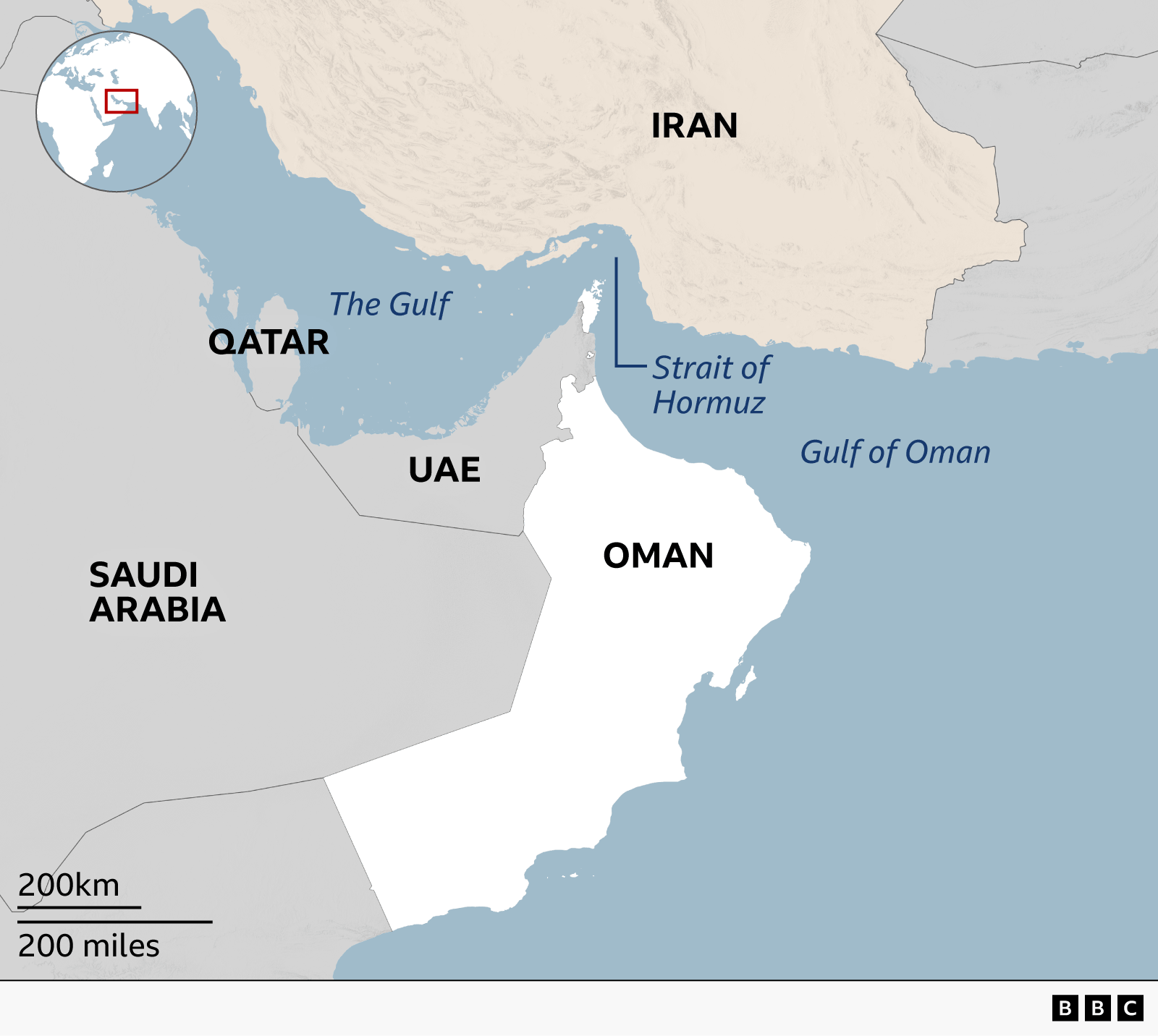
With the Red Sea now a strategic focus amid the US‑Israel‑Iran conflict, where the Strait of Hormuz is effectively shut, any further Houthi gains could have alarming regional and global economic consequences. Analysts warn that a stabilized Houthi presence in Mokha might allow them to control shipping traffic through Bab al‑Mandab, heightening tensions and risking supply disruptions.