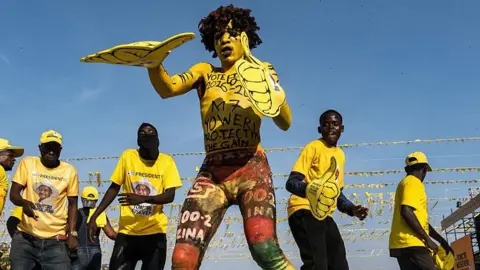
For supporters of Uganda's President Yoweri Museveni, his resounding victory in the just-concluded election is a vindication of his 40-year-long rule.
He won with 72% of the vote, close to his highest-ever tally of 74% in Uganda's first direct presidential election in 1996. This result reinforces the 81-year-old's claim that he still commands the support of the overwhelming majority of Ugandans, after seizing power as a rebel commander in 1986 ending the rule of the Milton Obote regime.
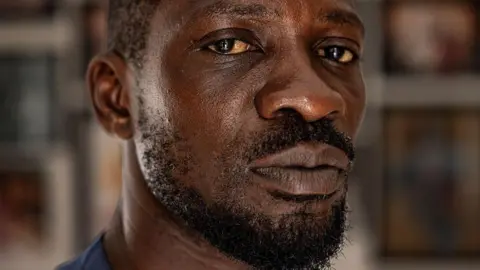
But Museveni's main election rival - charismatic former pop star Bobi Wine - dismissed the result as fake and said he had gone into hiding following a raid on his home by the security forces.
Museveni campaigned largely on his track record, arguing that he has delivered political and economic stability in an era of global uncertainty. He pledged to steer Uganda towards achieving middle-income status by 2030, a milestone his supporters have framed as a fitting legacy for a man who will finish his seventh - and possibly final - term next year.
Museveni sees Uganda's nascent oil industry as a central pillar towards achieving that goal. On the campaign trail, he repeatedly told voters that once exports commence, the economy would grow at double-digit rates.
Museveni has set October as the target date for the first crude oil exports via a 1,443 km pipeline to the Indian Ocean port of Tanga in Tanzania.
Despite his age, the president has sought to project vitality and control. At one of his final campaign rallies, he told supporters that he had visited all of Uganda's more than 140 electoral constituencies.
However, his team abruptly canceled several campaign events, citing unspecified state duties - an explanation many found unconvincing, fuelling speculation about the octogenarian's health. Subsequent pauses in his schedule only deepened speculation about fatigue and declining health.
For Wine, the result was a massive blow. His share of the vote slumped from 35% in 2021 to 25% this time round, despite Uganda's overwhelmingly young population. He maintains that the campaign was far from free and fair, pointing to repeated disruptions of his rallies by security forces, including the use of tear gas and live ammunition to intimidate supporters.
After two unsuccessful presidential bids, questions now hang over Wish political future, indicating risks of becoming permanently excluded from power.
Ugandan journalist and political analyst Allan Kasujja cautions against being fixated with the issue of succession, highlighting that political change in Uganda is gradual and has been ongoing.
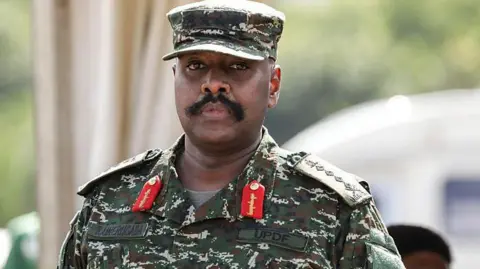
Ultimately, as Museveni's seventh term unfolds, observers suspect the future control of Uganda may lie increasingly with his son, army chief Gen Muhoozi Kainerugaba, as political influence shifts within the ruling party amidst ongoing repression of opposition forces.