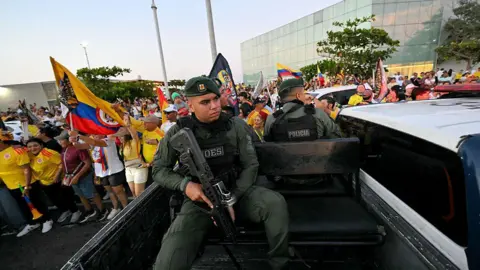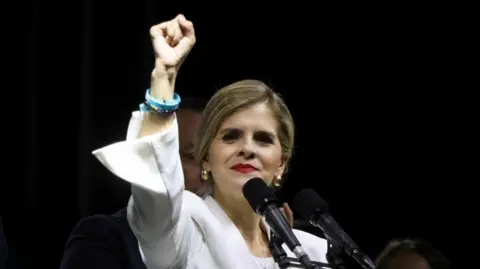
Laura Fernández, the candidate for Costa Rica's governing conservative Sovereign People's Party, has won the presidential election decisively. As of the latest count with over 88% of votes tallied, Fernández obtained more than 48% of the votes, significantly surpassing her nearest competitor, centrist candidate Álvaro Ramos, who conceded defeat.
Fernández’s victory, which came without the need for a run-off election due to her overwhelming vote share, aligns with her campaign's promise to continue the tough-on-crime policies that outgoing President Rodrigo Chaves implemented. Chaves, who endorsed Fernández as his successor, highlighted this approach as a response to the increasing drug-related violence troubling the nation.
In her first address after the election, the 39-year-old outlined her commitment to uphold and expand Chaves's policies, positioning her administration as a defender of security and stability in Costa Rica—a country that, until recently, was known for its safety in the region.
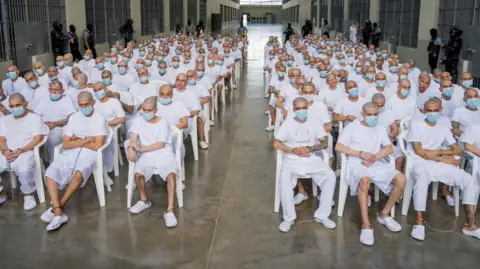
Fernández’s campaign was fueled by voter anxiety regarding a rise in crime, particularly concerning gang influence and drug trafficking. With a direct style similar to Chaves and backing from his administration, she plans to address these concerns vigorously. Her strategies may include declaring states of emergency in crime-heavy regions and implementing high-security infrastructure akin to some of her counterparts in neighboring countries.
Sworn in on May 8, 2026, Laura Fernández will become only the second woman to hold the presidency in Costa Rica's history, with expectations of strengthening the parliamentary support for her initiatives, a notable shift compared to her predecessor’s challenging tenure. Fernández is anticipated to maintain the close relationships with international partners established during Chaves's administration, particularly with the United States, where Costa Rica's role in regional security and migration issues has drawn attention.
In her victory speech, she emphasized a commitment to governance that respects the rule of law while aiming for national harmony, balancing her tough stance with assurances to uphold citizens' rights.
Fernández’s victory, which came without the need for a run-off election due to her overwhelming vote share, aligns with her campaign's promise to continue the tough-on-crime policies that outgoing President Rodrigo Chaves implemented. Chaves, who endorsed Fernández as his successor, highlighted this approach as a response to the increasing drug-related violence troubling the nation.
In her first address after the election, the 39-year-old outlined her commitment to uphold and expand Chaves's policies, positioning her administration as a defender of security and stability in Costa Rica—a country that, until recently, was known for its safety in the region.
Fernández’s campaign was fueled by voter anxiety regarding a rise in crime, particularly concerning gang influence and drug trafficking. With a direct style similar to Chaves and backing from his administration, she plans to address these concerns vigorously. Her strategies may include declaring states of emergency in crime-heavy regions and implementing high-security infrastructure akin to some of her counterparts in neighboring countries.
Sworn in on May 8, 2026, Laura Fernández will become only the second woman to hold the presidency in Costa Rica's history, with expectations of strengthening the parliamentary support for her initiatives, a notable shift compared to her predecessor’s challenging tenure. Fernández is anticipated to maintain the close relationships with international partners established during Chaves's administration, particularly with the United States, where Costa Rica's role in regional security and migration issues has drawn attention.
In her victory speech, she emphasized a commitment to governance that respects the rule of law while aiming for national harmony, balancing her tough stance with assurances to uphold citizens' rights.