Proposal for Extended Presidential Term in Zimbabwe
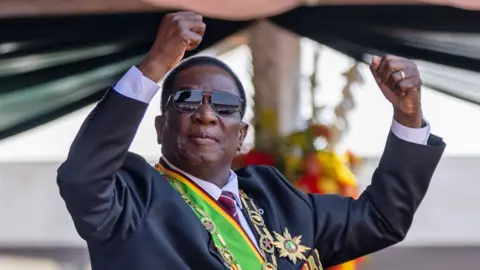
Zimbabwe's cabinet has approved draft legislation that would allow President Emmerson Mnangagwa, 83, to extend his stay in office until at least 2030.
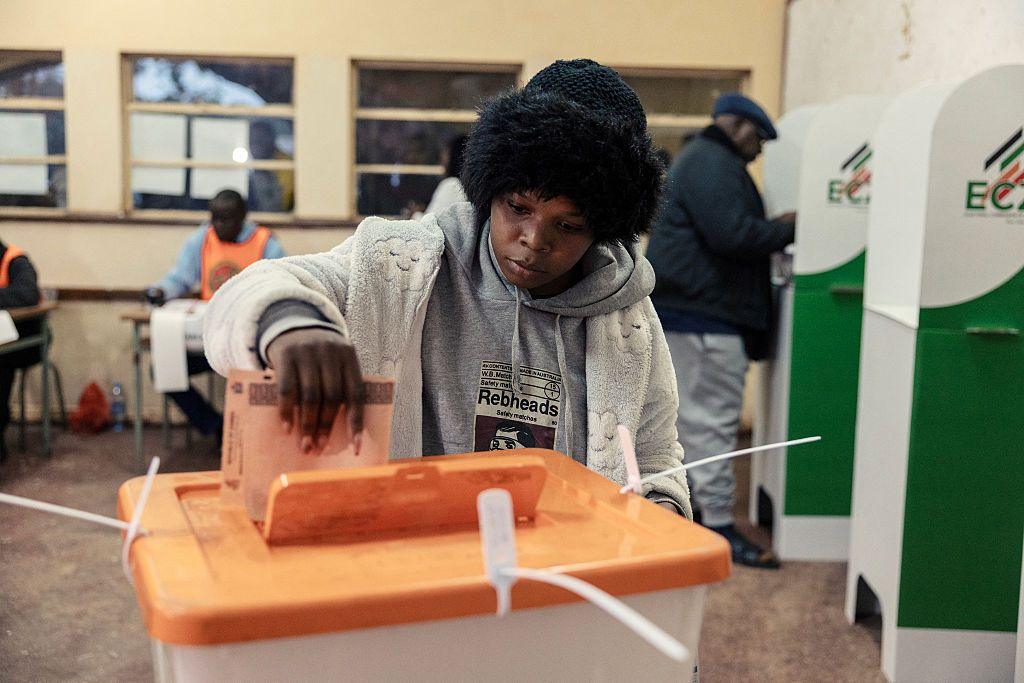
The proposed legislation indicates that presidents would be elected by Members of Parliament rather than direct vote, and would be allowed to serve a maximum of two seven-year terms instead of the current five-year terms.
Justice Minister Ziyambi Ziyambi has stated that public consultations will occur before the bill is debated in parliament, where the ruling Zanu-PF party holds a majority. However, legal challenges are anticipated, as constitutional experts argue that significant changes to term limits should require a referendum and note that amendments benefiting a sitting president are problematic.
Mnangagwa has been in power since 2017 after the ousting of long-time leader Robert Mugabe. He was elected for a second term in 2023 amidst disputed results. As the end of his current term approaches in 2028, speculation about his desire to remain in power has been growing.
Supporters of Mnangagwa have started chanting slogans at Zanu-PF rallies that suggest he should stay in power to complete his 'Agenda 2030' development program, though the president has publicly denied any desire to extend his rule.
The late Blessed Geza, a significant critic within Zanu-PF, had vocally opposed Mnangagwa's ambitions until his recent death. Geza had highlighted issues of nepotism and called for political reform, which may complicate the party's dynamics as it seeks to push the 2030 agenda.
The government argues that the proposed legislative changes are aimed at bolstering governance and ensuring political stability.