Ukraine’s president faces Polish threat over WWII‑era army naming
Volodymyr Zelensky’s late‑last‑month decree to name a U.S.O.F. unit after the Ukrainian Insurgent Army (UPA) has ignited a diplomatic spat with Poland. The UPA, active in the 1940s and 1950s, is revered by many Ukrainians as a symbol of national resistance, yet Polish nationals and officials link the group to the 1943‑45 Volhynian massacres, which killed an estimated 100,000 ethnic Poles.
Polish President Karol Nawrocki announced that he would consider revoking the country's highest honour, the Order of the White Eagle, from Zelensky unless the decree is rescinded. Nawrocki’s warning reached the council of the order and a formal debate has already taken place on the matter.
The decree’s fallout also rippled through Polish politics. Law and Justice (PiS) MPs have called for a reassessment of ties between Kyiv and Warsaw, while far‑right voices led by Krzysztof Bosak demanded that Poland cease funding Ukraine’s Starlink services and block EU accession until the controversy is resolved. The decision by Nawrocki, labeling the decree a “glorification of bandits and killers,” amplified public frustration in Poland, especially for those who view the UPA’s actions as genocide.
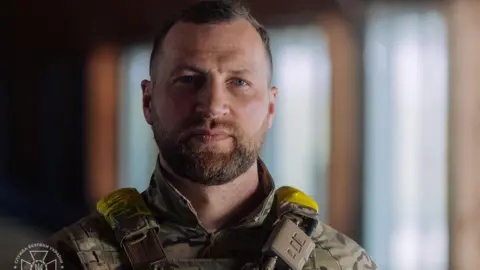
Ukraine’s response has been muted. While its Foreign Ministry signalled no intent to upset allies, the ambassadorial channel has remained largely silent. The Ukrainian defence chief Kyrylo Budanov travelled to Warsaw last weekend in an attempt to de‑escalate tensions, but Nawrocki convened the Order council again, suggesting the diplomatic flare‑up may not ease.
Parallel to the diplomatic strain, Ukrainian leadership is planning the post‑war reconstruction of eastern Ukraine, with budgets and multinational talks set to take place near Gdańsk. The head of Polish foreign affairs hinted that Zelensky might skip this forum if the UPA issue remains unresolved. Analysts warn that a revision of the Order of the White Eagle could spark a wider diplomatic rupture, potentially altering Poland’s support for Ukrainian reconstruction and influencing right‑wing opposition in both countries.
Prime Minister Donald Tusk urged for a direct, honest conversation as a path forward, arguing that cooperation benefits both nations while conflict serves Moscow’s interests. Tusk’s inclusivity may offer a bridge, but the present climate of ideological division risks entrenching the quarrel.
For now, the uncertainty surrounding the Order of the White Eagle and the UPA naming decree hangs over future UK‑Poland‑Ukraine engagements. The resolution of this issue will likely shape the trajectory of Ukrainian‑Polish diplomatic relations in the months to come.