The head of Uganda's electoral body, Simon Byabakama, has announced that he has received threats warning him against declaring certain presidential candidates as winners in the face of the upcoming election. Byabakama asserted his resolve to remain undeterred by intimidation tactics from top state officials whom he chose not to name, maintaining the integrity of his role.
His comments came in response to a BBC query regarding a viral video showing a presidential advisor claiming the electoral commission would never declare the opposition candidate, Robert Kyagulanyi, commonly known as Bobi Wine, as president, even if he were to secure victory.
“Some people say if you don’t declare so-and-so as president, you will see. I tell them that I am not in the business of donating votes,” Byabakama remarked.
Yoweri Museveni, the current president at 81 years old, is vying for his seventh term, while Bobi Wine, a pop star-turned-politician at 43, seeks to dethrone Museveni for the second time after finishing as the runner-up in 2021.
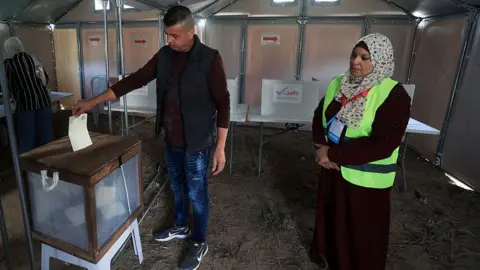
Total registered voters stand at approximately 21.6 million, with voting conditions marred by the rights abuses against opposition activities, including police interference in campaign events.
Speaking from the Electoral Commission headquarters in Kampala, Byabakama declared he would not succumb to threats from what he referred to as idle people. He emphasized that fear does not play a role in his decision-making, stating that only the law and the voters' will would dictate the electoral process.
“The law states that a candidate achieving more than 50% plus one of total valid votes cast is the president of Uganda. It is the voters who determine how many votes each candidate receives. Their input is what I will declare to the nation,” he asserted, promising results announcement within 48 hours post-polling.
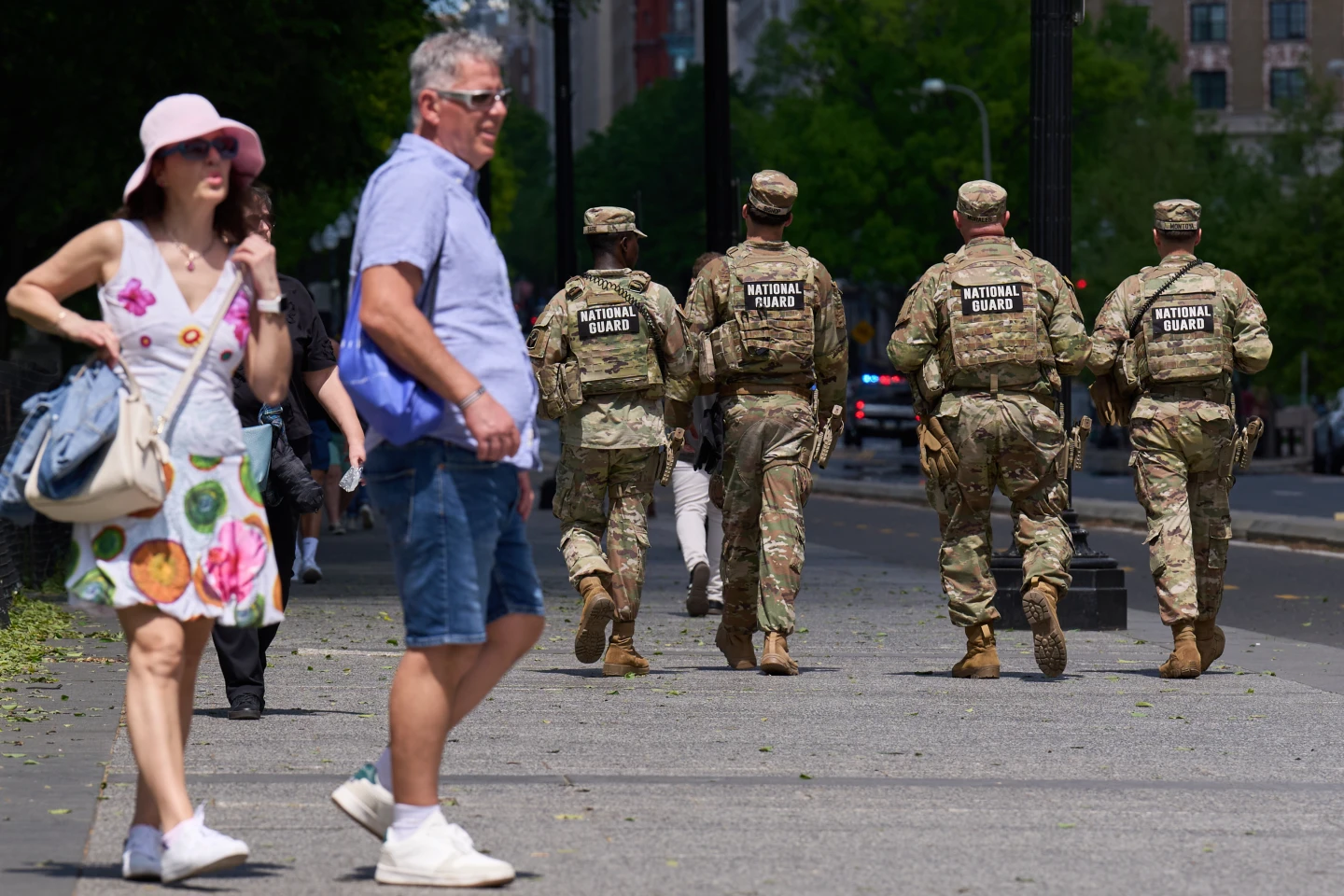
The electoral landscape is further complicated by a robust military presence, which Byabakama claims is necessary to maintain order rather than intimidate voters. He acknowledged concerns about polling stations located near military environments and stated an investigation into these reports is ongoing, pledging appropriate action if verified.
Recent state measures have included internet access restrictions and mobile service limitations across the nation to combat alleged misinformation, raising fears of governmental oppression as the election approaches.