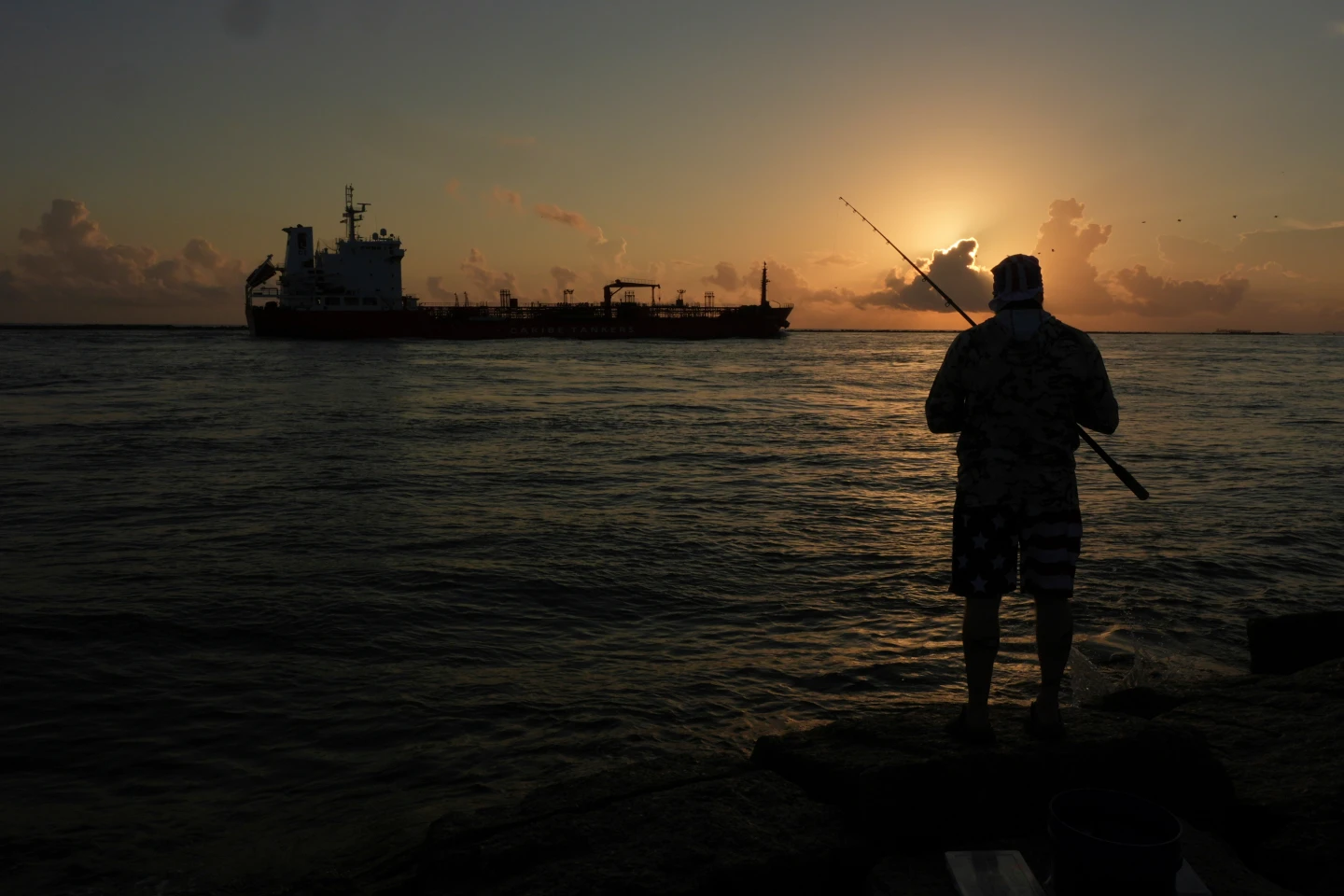
A U.S. government panel is set to convene for the first time since 1992 to discuss the potential exemption of oil and gas drilling in the Gulf of Mexico from the Endangered Species Act, citing unspecified national security concerns. Critics warn that this move could threaten the survival of the Rice’s whale, a rare species already teetering on the brink of extinction, as well as harm other marine life in the region.
This panel, informally known as the 'God Squad,' is comprised of several officials from the Trump administration and is chaired by Interior Secretary Doug Burgum. President Donald Trump has placed a strong emphasis on ramping up fossil fuel production in his second term, advocating for the opening of new drilling areas off the coast of Florida while proposing significant rollbacks of environmental regulations that the industry finds burdensome.
Recent indications suggest that Defense Secretary Pete Hegseth communicated to Secretary Burgum that an exemption from the Endangered Species Act for oil and gas extraction in the Gulf is deemed 'necessary for reasons of national security,' as noted in a recent court filing from the administration. However, the government has yet to clarify the specific rationale for this request, especially as the world faces rising oil prices and energy supply disruptions tied to ongoing conflicts, particularly the war in Iran.
Environmentalists have vehemently opposed the panel's agenda, arguing that exempting oil drilling operations from the Endangered Species Act would essentially signal a death knell for the endangered Rice's whale population, of which only about 50 remain in the Gulf. In light of this, a judge recently dismissed an environmentalist's legal efforts to block the meeting, asserting that the motion was premature as no official decision had yet been made regarding the exemption.
The Gulf of Mexico plays a crucial role in U.S. oil production, accounting for over 10% of the crude oil extracted in the country. Yet, it has also been the site of numerous environmental catastrophes, including the devastating BP Deepwater Horizon oil spill in 2010, which polluted vast stretches of ocean and killed marine life. Just recently, another spill affected multiple species and contaminated protected natural reserves.
The forthcoming review by the Endangered Species Committee, established in 1978, is significant as it has only convened a handful of times in its history, granting just two exemptions previously—one of which allowed logging in spotted owl habitats. The urgency of addressing species conservation in light of expanding industrial activity has never been more apparent, particularly with a federal judge recently ruling against previous attempts to undermine protections for endangered species.
As this situation develops, the intersection of national security, economic interests, and environmental preservation continues to ignite fierce debate. Members of the committee consist of top officials from various federal agencies, reflecting the complex considerations that influence decision-making in these critical matters. The Associated Press has reached out to relevant government departments for additional comments.