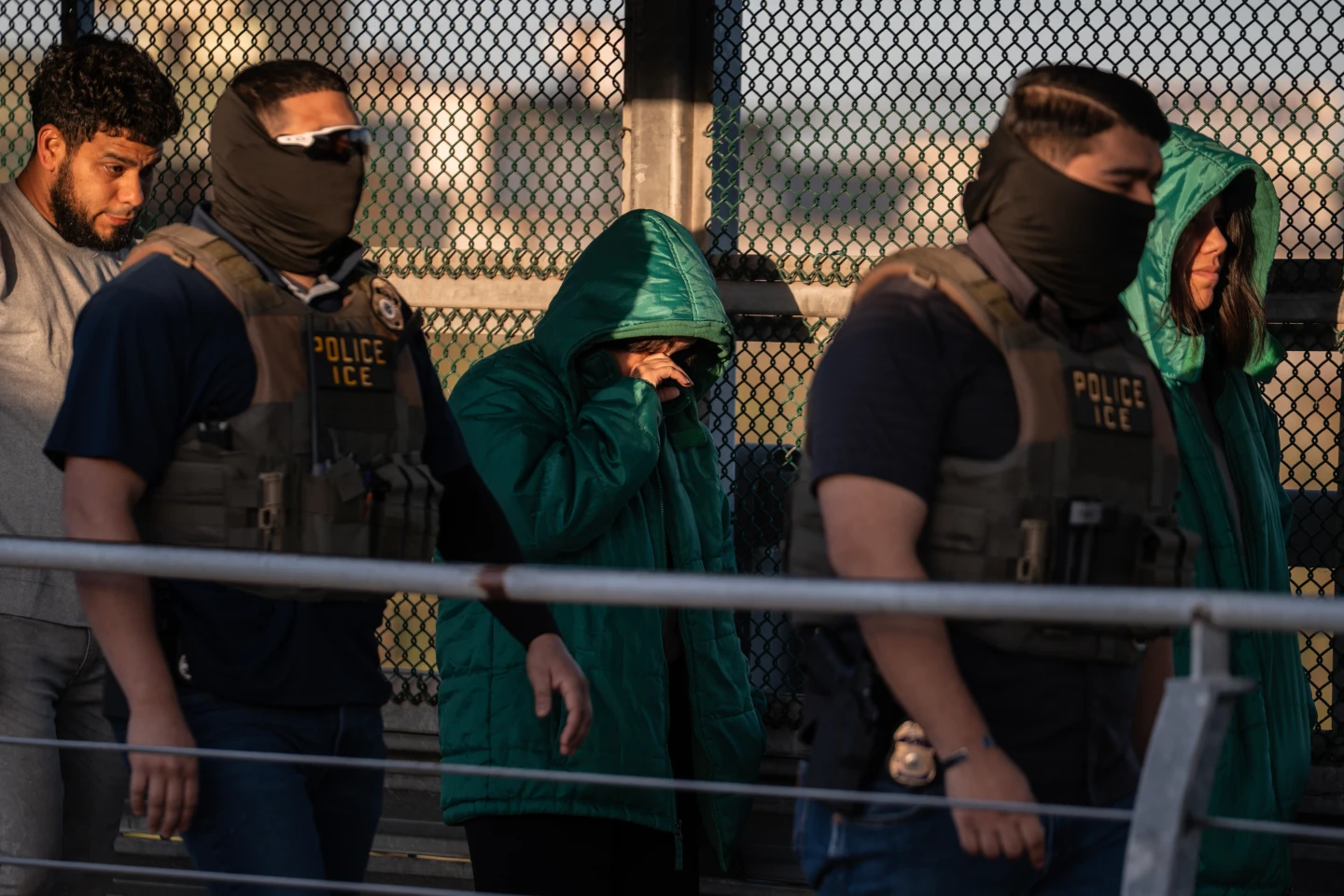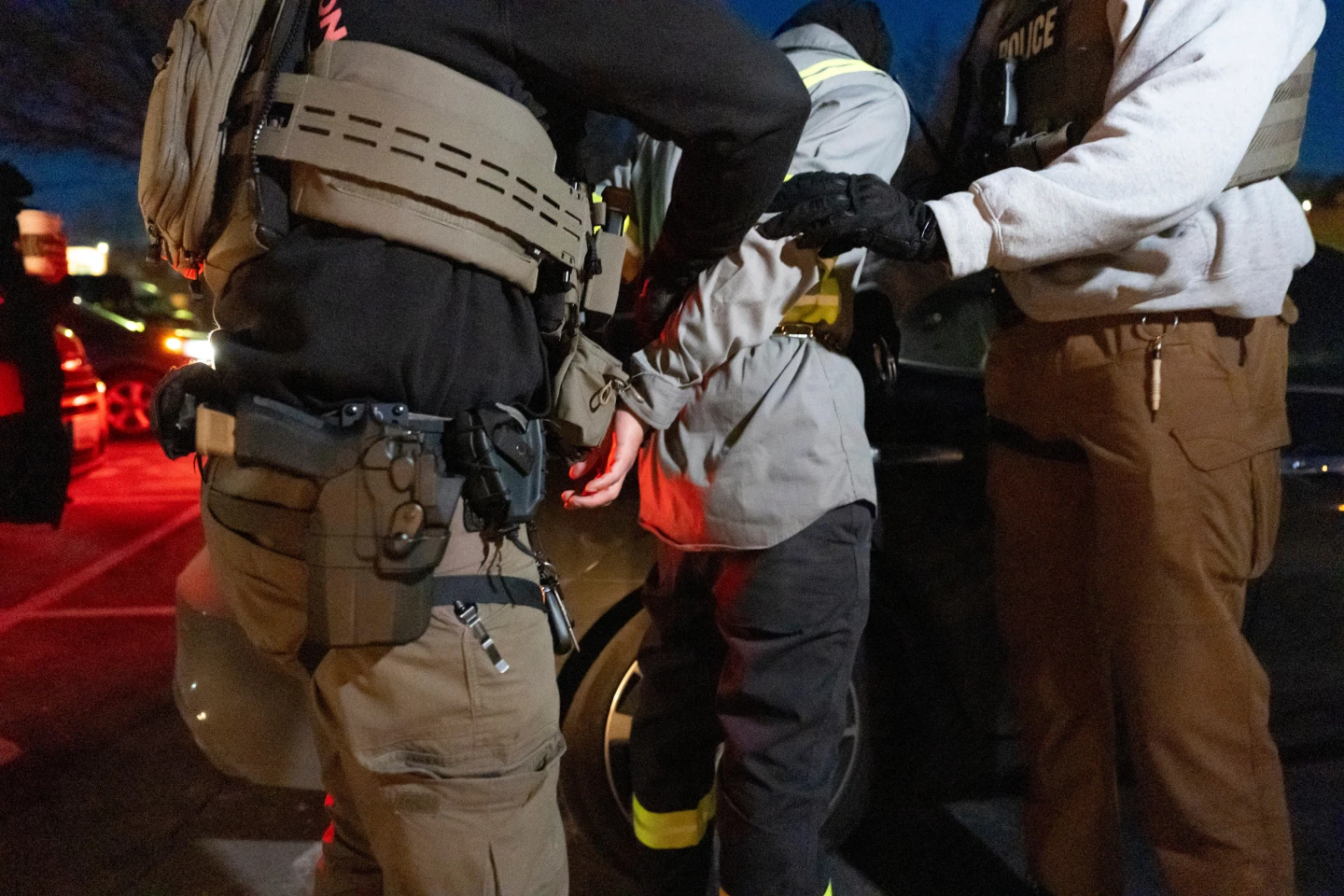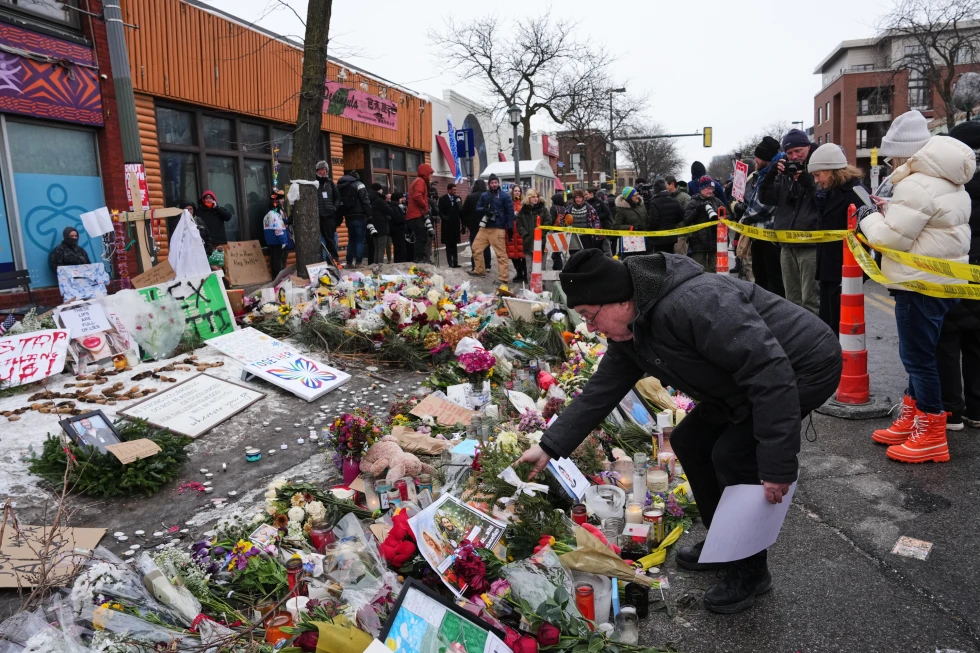
WASHINGTON (AP) — President Donald Trump shifted toward a more conciliatory approach with Democratic leaders in Minnesota on Monday, a sudden change following an outcry over the second fatal shooting of a protester by federal agents this month during the administration’s nationwide crackdown on undocumented immigrants.
The about-face comes after the shooting death of Alex Pretti by federal agents raised doubts — even from some Republicans — over how the Trump administration has aggressively gone about deporting migrants and confronting protesters opposing the policy.
This latest modification echoes a pattern where Trump has initially adopted maximalist positions only to later appear to retreat. Earlier this month, Trump threatened military action against Iran regarding recent antigovernment protests but stated he would hold back after receiving assurances from Tehran.
In a surprising announcement, Trump declared a shift in oversight of his immigration operation in Minnesota. He spoke positively about Gov. Tim Walz, stating they were on a 'similar wavelength.' This marks a sharp departure from his previously confrontational posture, particularly given that he had previously made derogatory remarks about Walz.
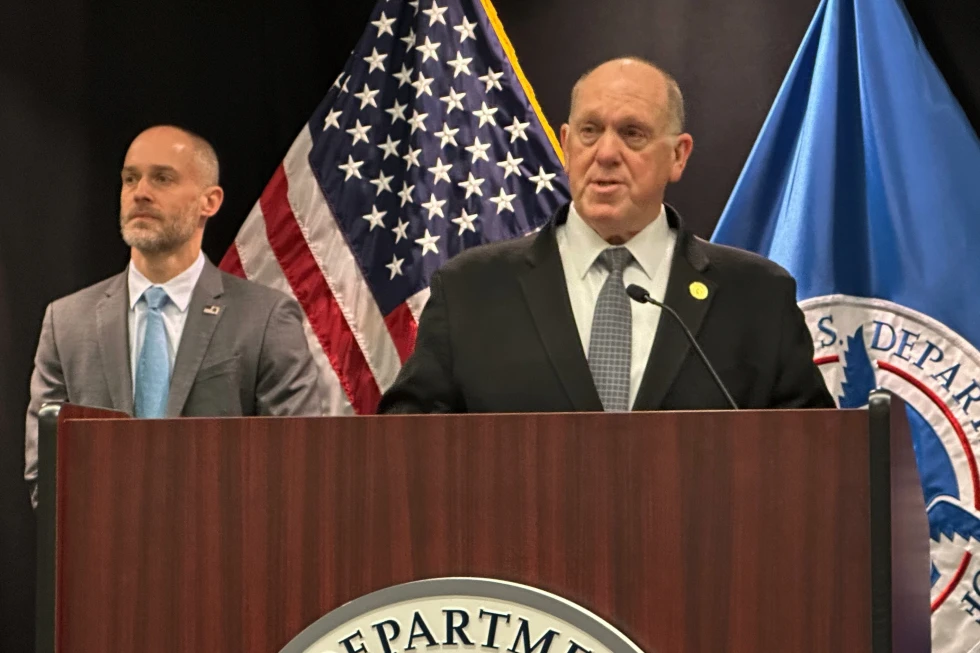
Some Republicans expressed concerns regarding the response to the shooting in Minneapolis, prompting Trump’s administration to recalibrate its strategy. Trump’s recent activities, including appointing border czar Tom Homan to oversee immigration operations, suggest an effort to mitigate the situation amid criticism from within his party and heightened scrutiny from the public.
Minnesota gubernatorial candidate Chris Madel publicly withdrew from the GOP, labeling the immigration response a 'disaster.' Republican governors, including Texas’ Greg Abbott, suggested Trump needed to adjust his tactics in Minnesota.
In this evolving narrative, Trump's public statements have not exhibited the same vigor as they have following other politically charged instances of violence. This muted response raises further questions about the administration's approach to national discourse and the distinct silhouettes of political violence.
The about-face comes after the shooting death of Alex Pretti by federal agents raised doubts — even from some Republicans — over how the Trump administration has aggressively gone about deporting migrants and confronting protesters opposing the policy.
This latest modification echoes a pattern where Trump has initially adopted maximalist positions only to later appear to retreat. Earlier this month, Trump threatened military action against Iran regarding recent antigovernment protests but stated he would hold back after receiving assurances from Tehran.
In a surprising announcement, Trump declared a shift in oversight of his immigration operation in Minnesota. He spoke positively about Gov. Tim Walz, stating they were on a 'similar wavelength.' This marks a sharp departure from his previously confrontational posture, particularly given that he had previously made derogatory remarks about Walz.
Some Republicans expressed concerns regarding the response to the shooting in Minneapolis, prompting Trump’s administration to recalibrate its strategy. Trump’s recent activities, including appointing border czar Tom Homan to oversee immigration operations, suggest an effort to mitigate the situation amid criticism from within his party and heightened scrutiny from the public.
Minnesota gubernatorial candidate Chris Madel publicly withdrew from the GOP, labeling the immigration response a 'disaster.' Republican governors, including Texas’ Greg Abbott, suggested Trump needed to adjust his tactics in Minnesota.
In this evolving narrative, Trump's public statements have not exhibited the same vigor as they have following other politically charged instances of violence. This muted response raises further questions about the administration's approach to national discourse and the distinct silhouettes of political violence.