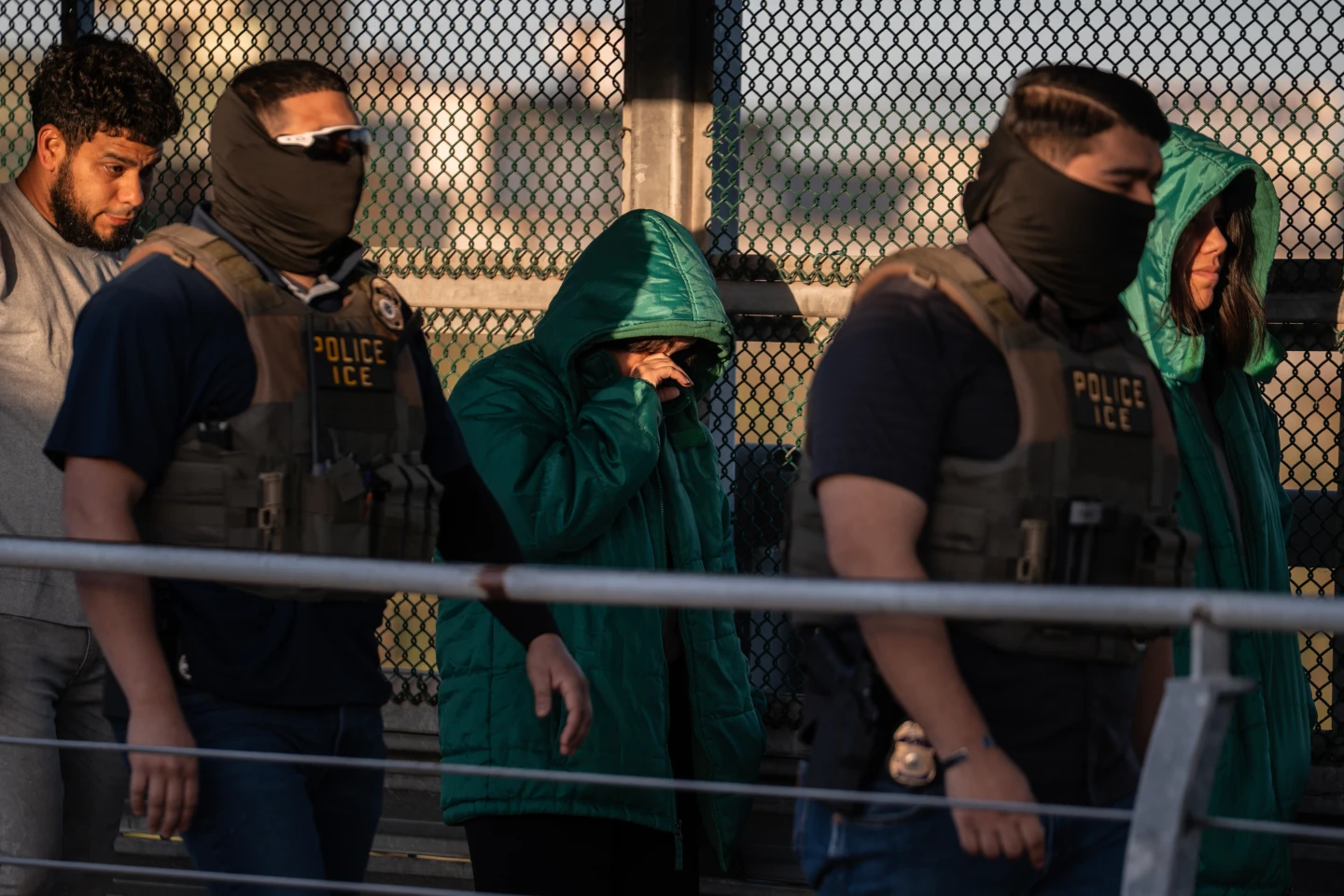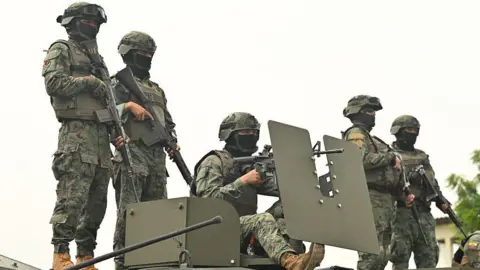
With 1,500 troops reportedly on standby to deploy to Minnesota, tensions are rising in the state as protests continue against Donald Trump's immigration crackdown. US officials say they are targeting the 'worst of the worst' but critics warn migrants with no criminal record and US citizens are being detained, too.
It could be anybody, says Sunshine, as she drives around her neighbourhood, St Paul - one of the so-called Twin Cities, along with Minneapolis. Snow and ice swirl over the tarmac in the bitter wind.
Sunshine is not her real name - she has asked to use a pseudonym because of fears she could be targeted for her actions.
I have decided for my own safety to give them more space, she says, referring to the unmarked patrol cars ahead, driven by the US Immigration and Customs Enforcement (ICE) agents she is trying to track.
Each day, residents in loosely organised groups drive around their neighbourhoods trying to spot ICE agents and film them, they say, to hold them to account.
The streets of Minneapolis feel like a battle of wills between a Republican president pressing the boundaries of his power and a Democratic city and state pushing back.
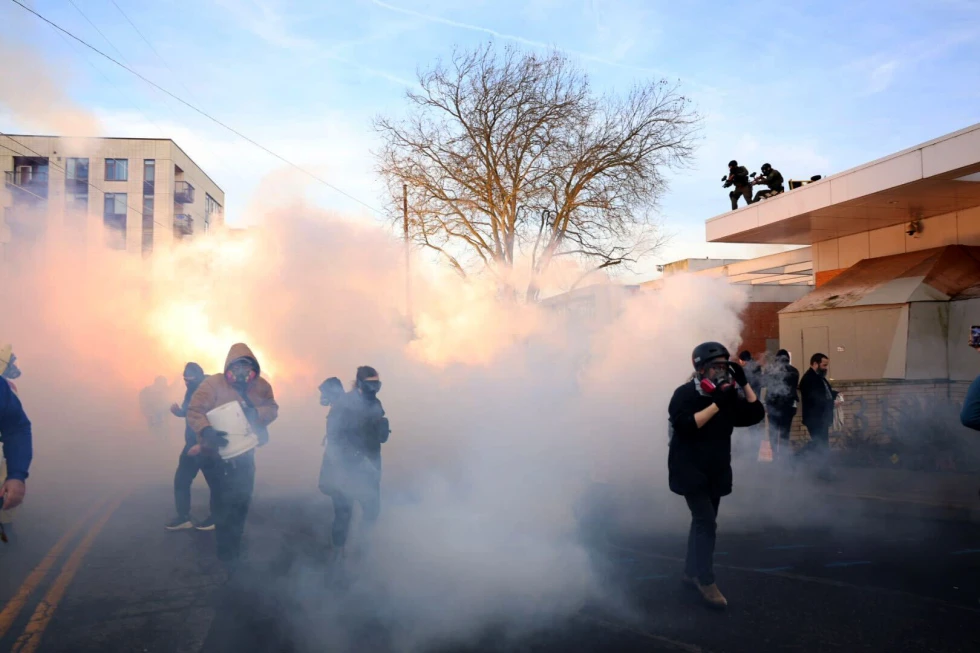
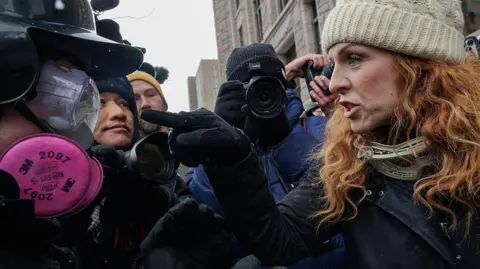
This week as the temperature plummeted, protests intensified against ICE agents outside the federal building hosting them. Minnesota officials have urged protesters to stay orderly and peaceful, and local officials have said the majority have stayed trouble-free. But at times there have been clashes, with the authorities deploying tear gas and pepper balls to disperse crowds.
On Friday, a US federal judge issued an order limiting the crowd control tactics that can be used by ICE agents toward peaceful protesters in Minneapolis. Judge Katherine Menendez said federal agents cannot arrest or pepper spray peaceful demonstrators, including those monitoring or observing ICE agents.
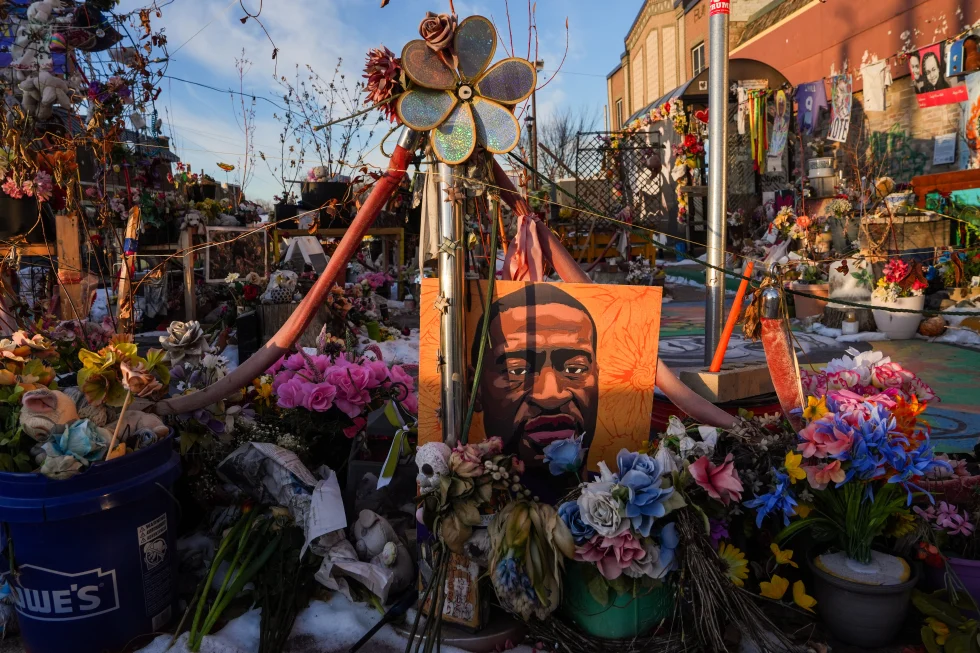
Trump has vowed to press on with his mass deportation drive in Minnesota, with thousands of federal agents deployed to the state. Many of them were sent in the aftermath of the fatal shooting of Minneapolis woman, Renée Good, 37, by an ICE agent on 7 January. The circumstances surrounding her death remain contested, with the Trump administration saying the ICE agent who shot her acted in self-defence, while local officials argue the woman was attempting to leave and posed no danger. The FBI is investigating the shooting, but officials in Minnesota say they have been denied access to evidence.
In her car, Sunshine spots two unmarked vehicles with darkened windows containing ICE agents. We follow them to a nearby neighbourhood, where the two cars proceed to drive slowly and repeatedly around the block in circles, in what is seemingly a diversion tactic to take Sunshine away from a shopping centre immigrants often use.
Despite the tense atmosphere, many locals remain committed to standing against what they see as aggressive and unjust practices targeting migrants and their communities. With Trump threatening military intervention, the struggle in Minnesota is intensifying, raising questions about the limits of federal power in local affairs.