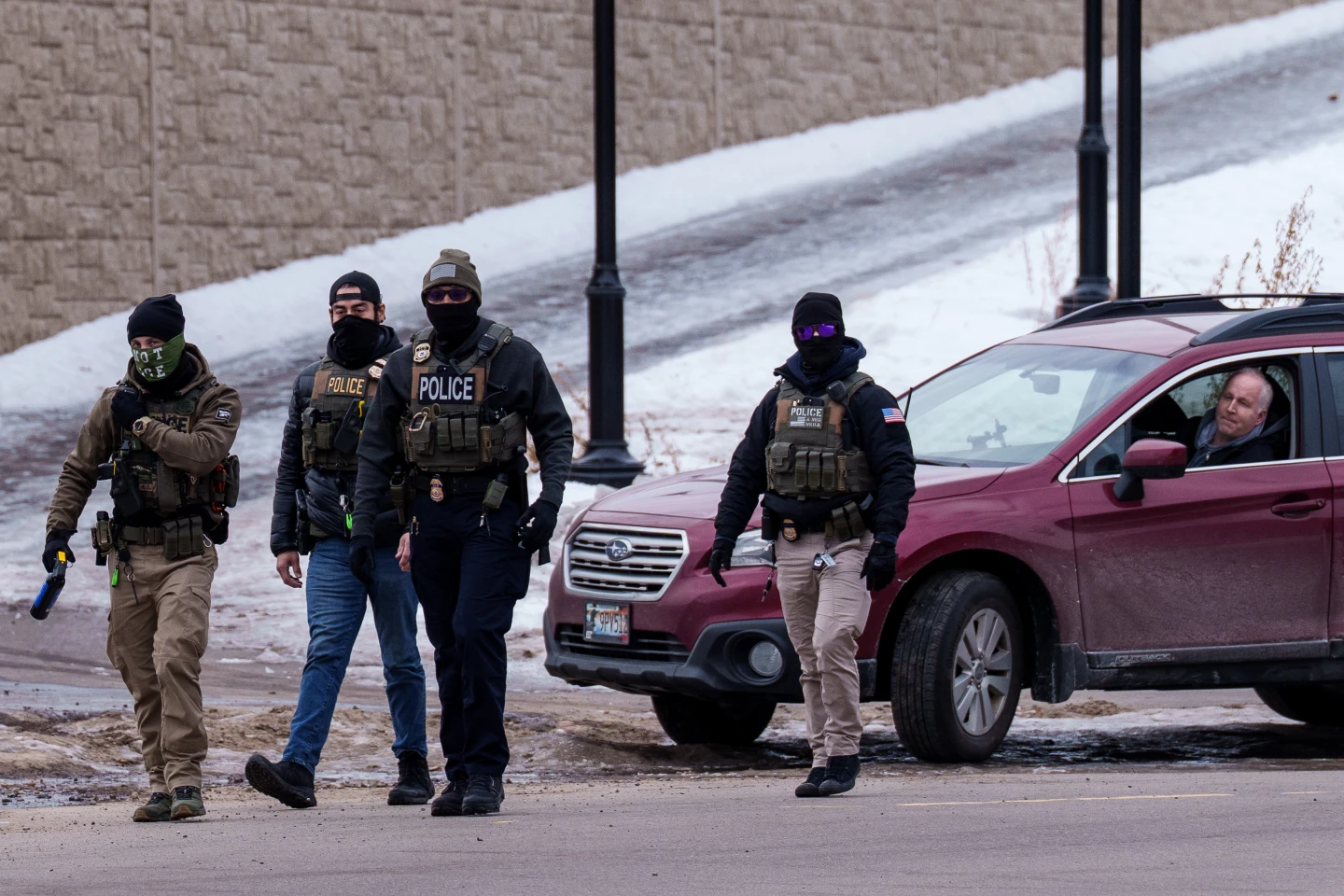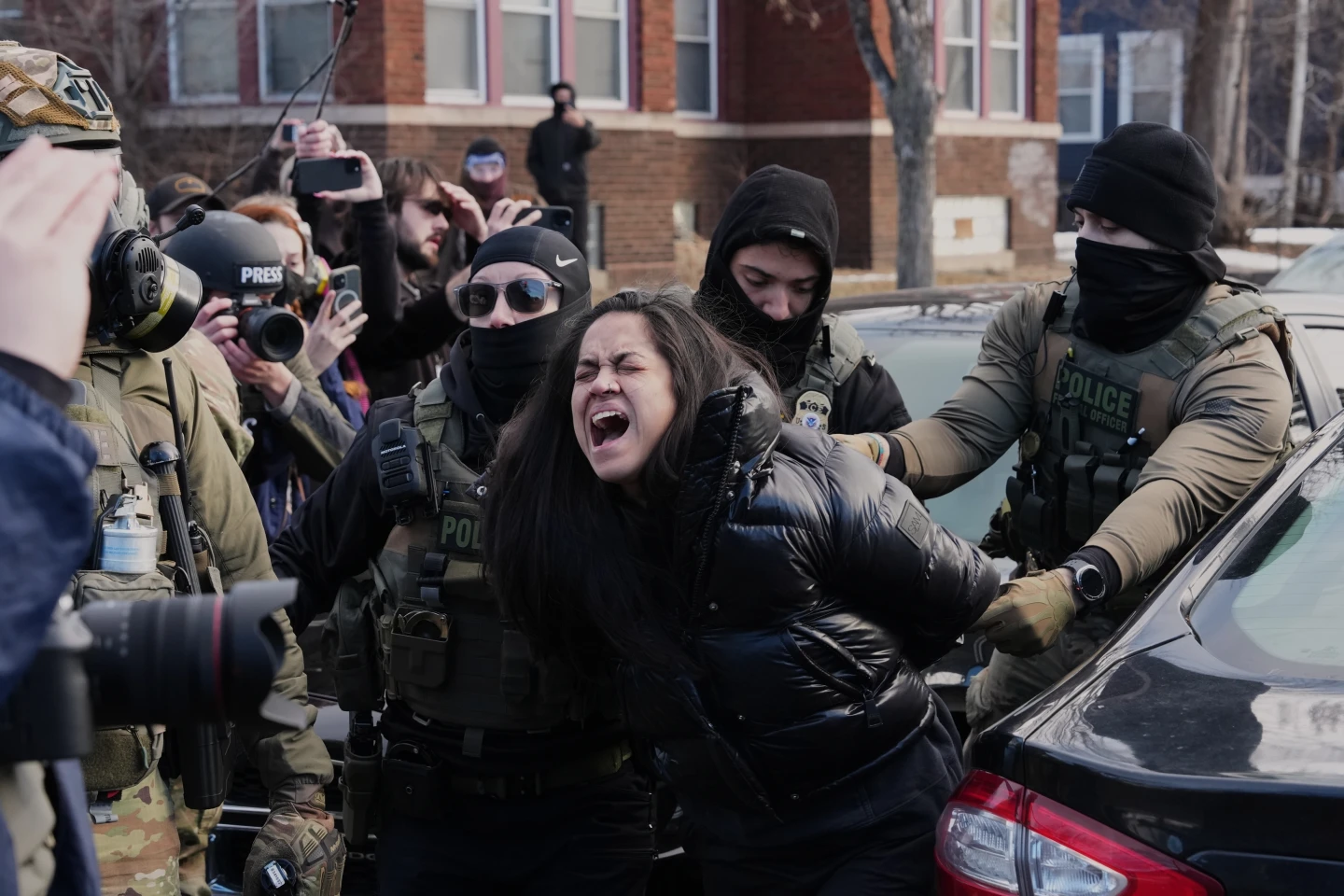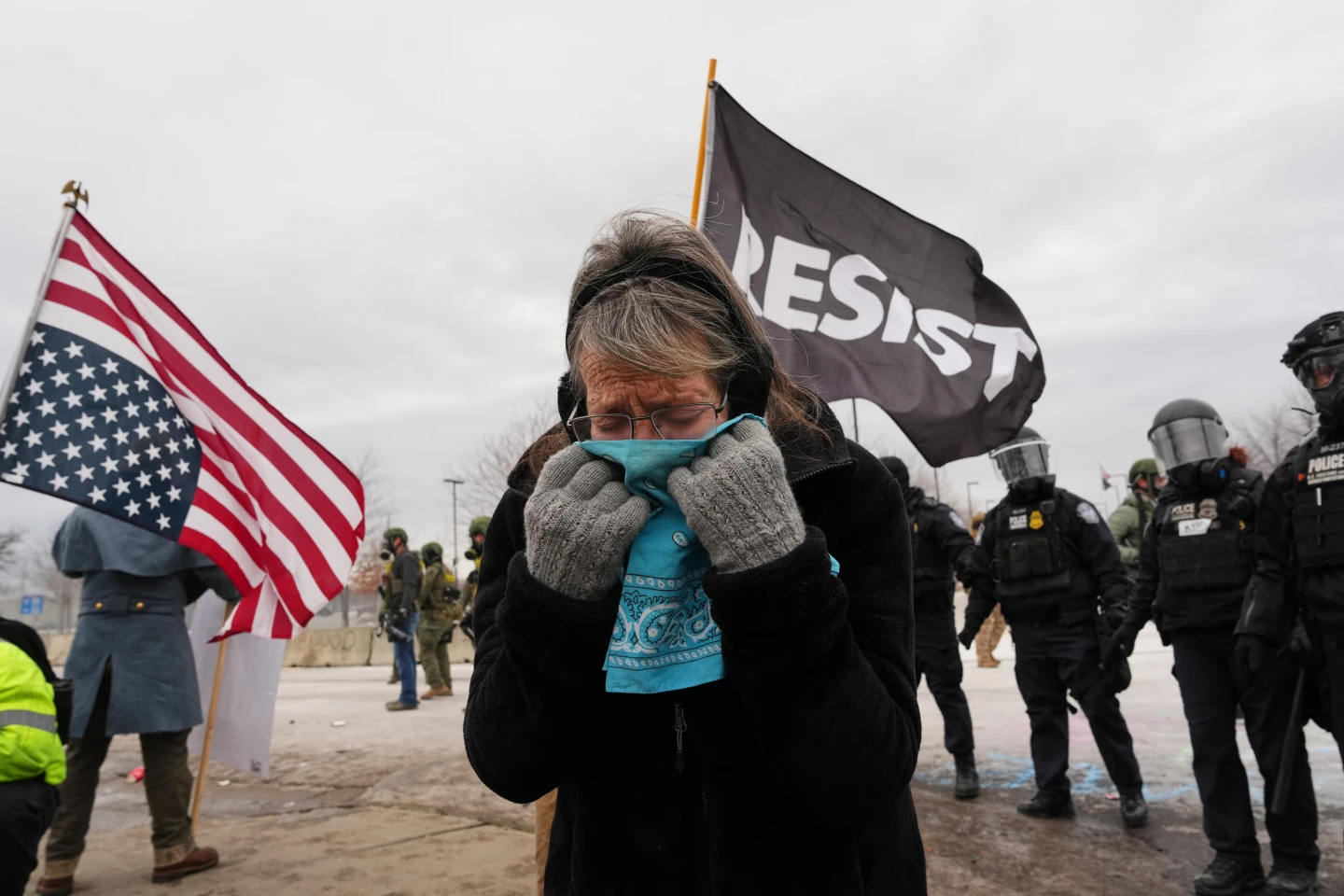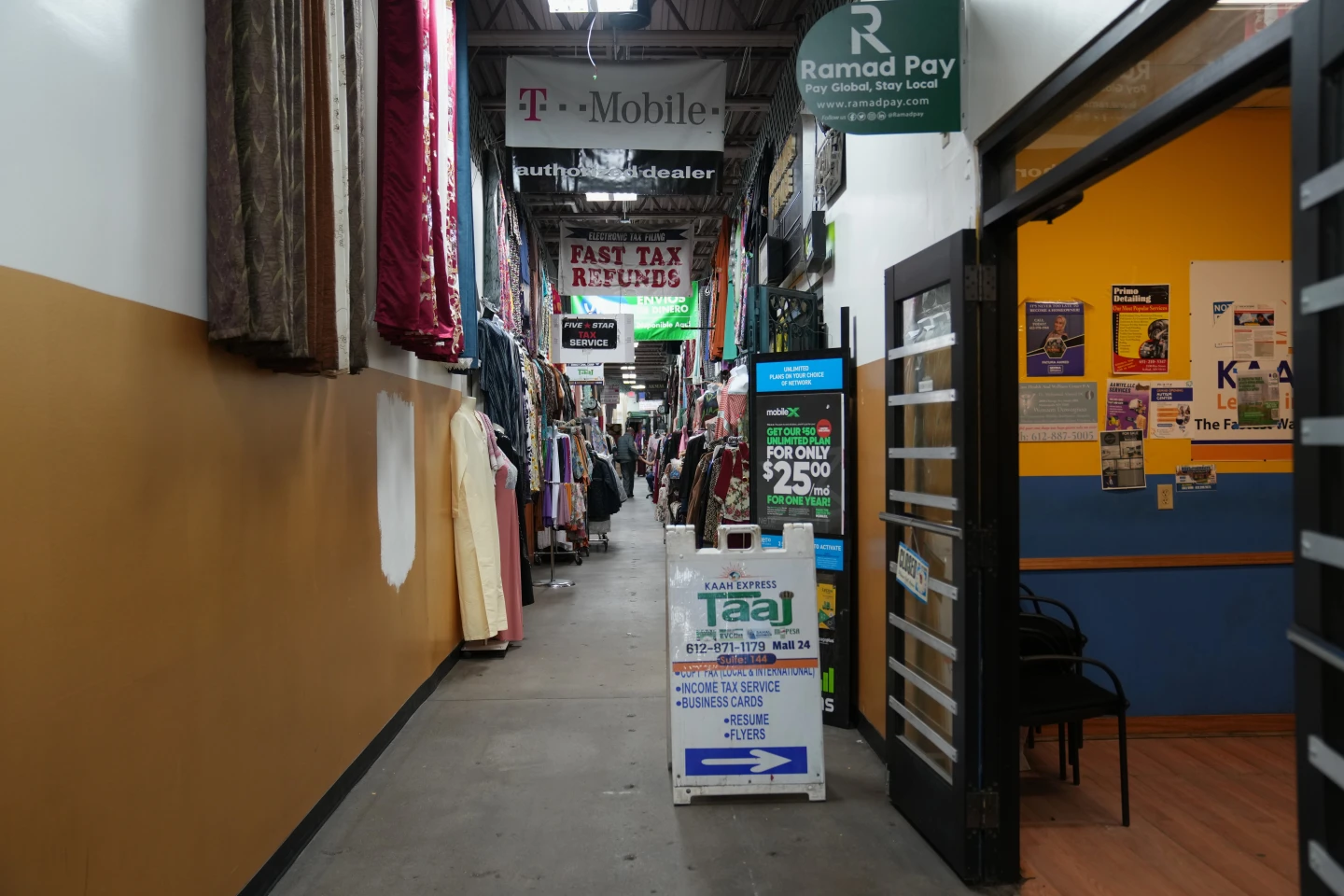
MINNEAPOLIS — A wave of silence envelops Karmel Mall, a bustling center for the Somali community in south Minneapolis, where more than 100 small businesses typically thrive. Yet recent reports indicate that many of these shops remain closed as vendors fear continued surveillance by federal immigration agents.
Once filled with chatter and customers, Karmel Mall’s corridors now echo with loneliness, punctuated only by the distant sounds of Quranic recitation and the simmering aroma of unserviced food from bakery stalls. Sellers express their collective anxiety, unsure if they will see even a single customer on any given day.
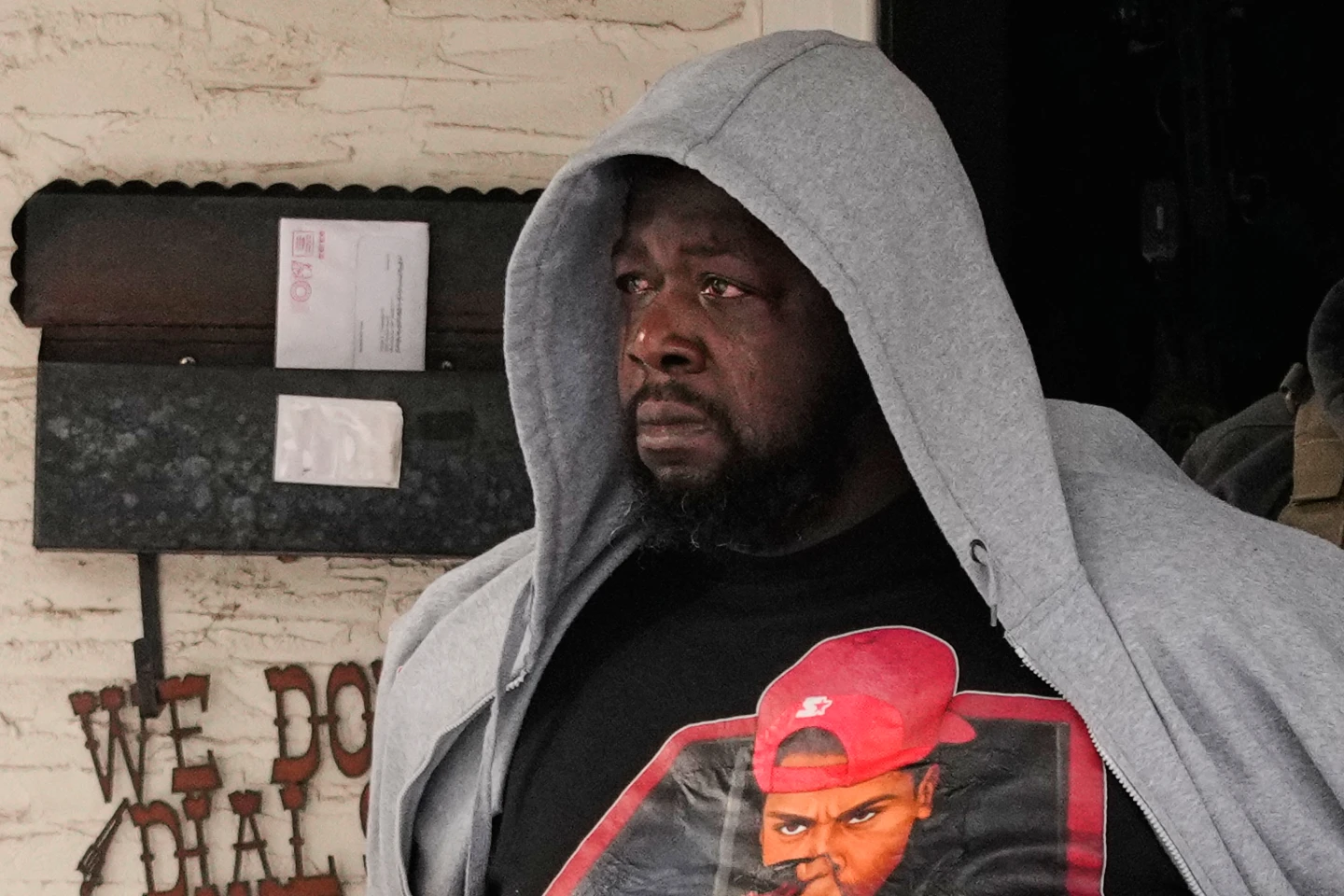
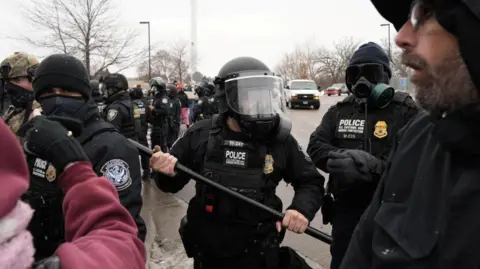
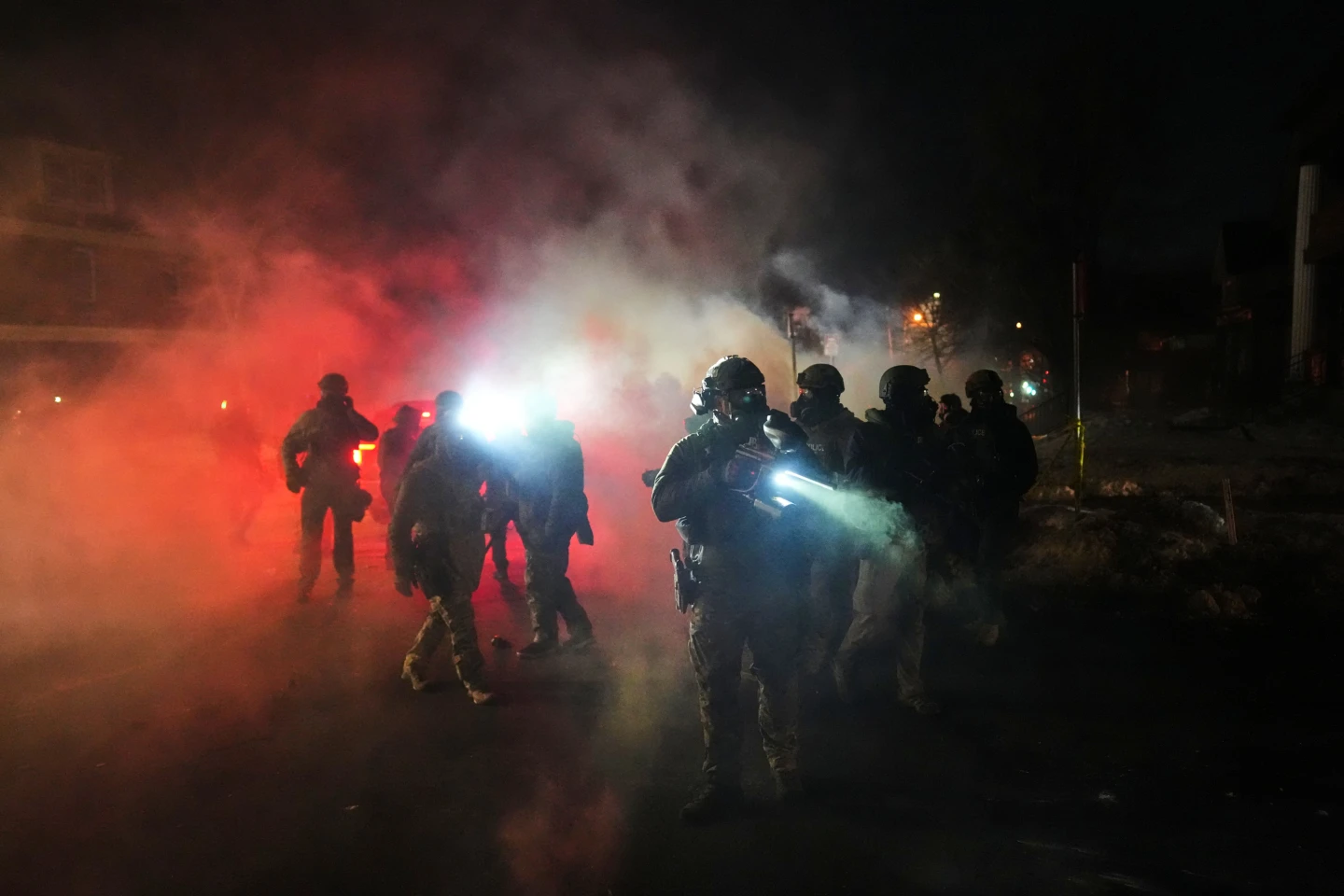
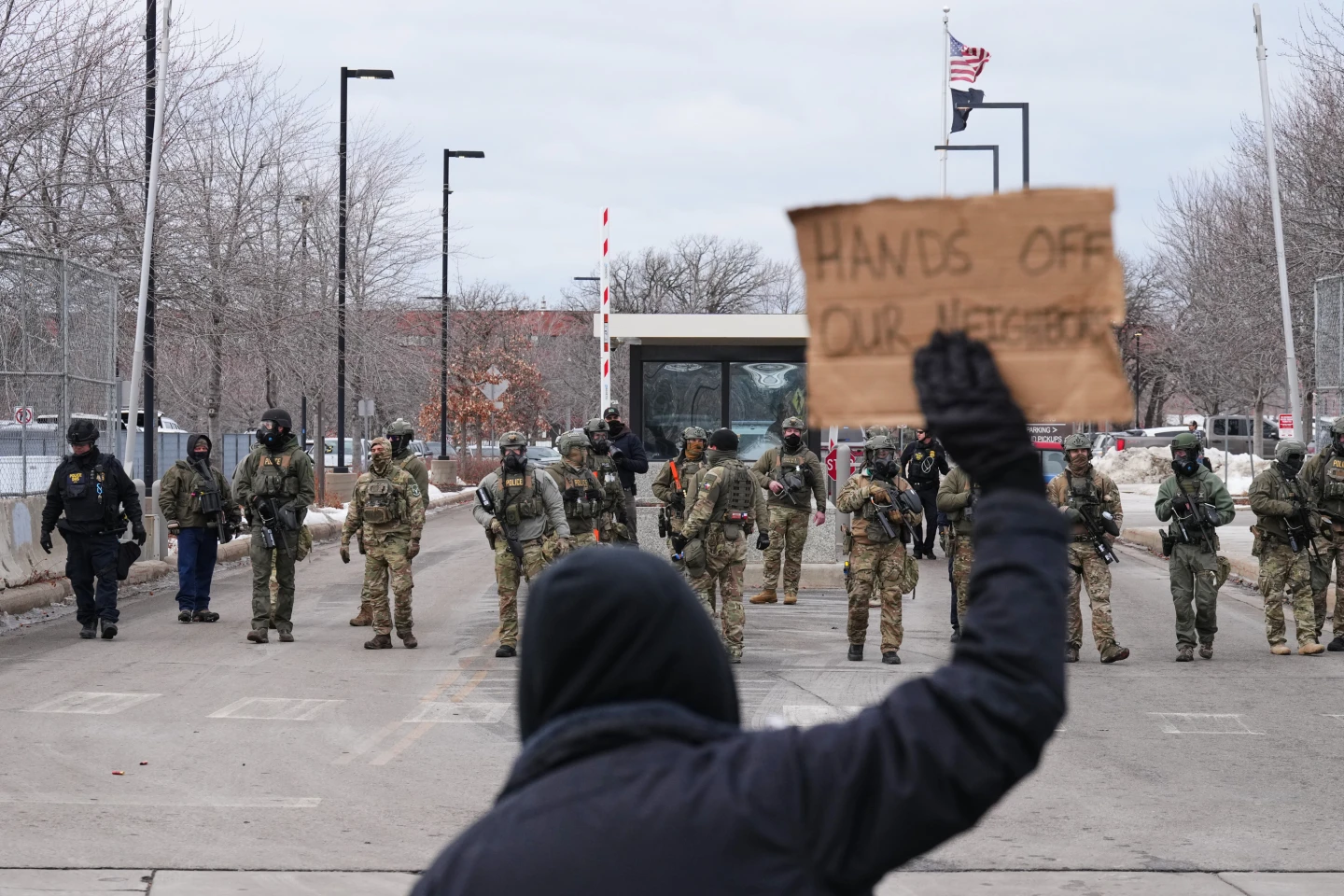
“It’s been like this for three weeks now,” lamented Abdi Wahid, a worker at a family-run convenience store. “Everywhere it’s all been closed up.” Wahid and others attribute the dramatic downturn to apprehensions related to federal immigration enforcement initiatives, specifically targeting communities of color.
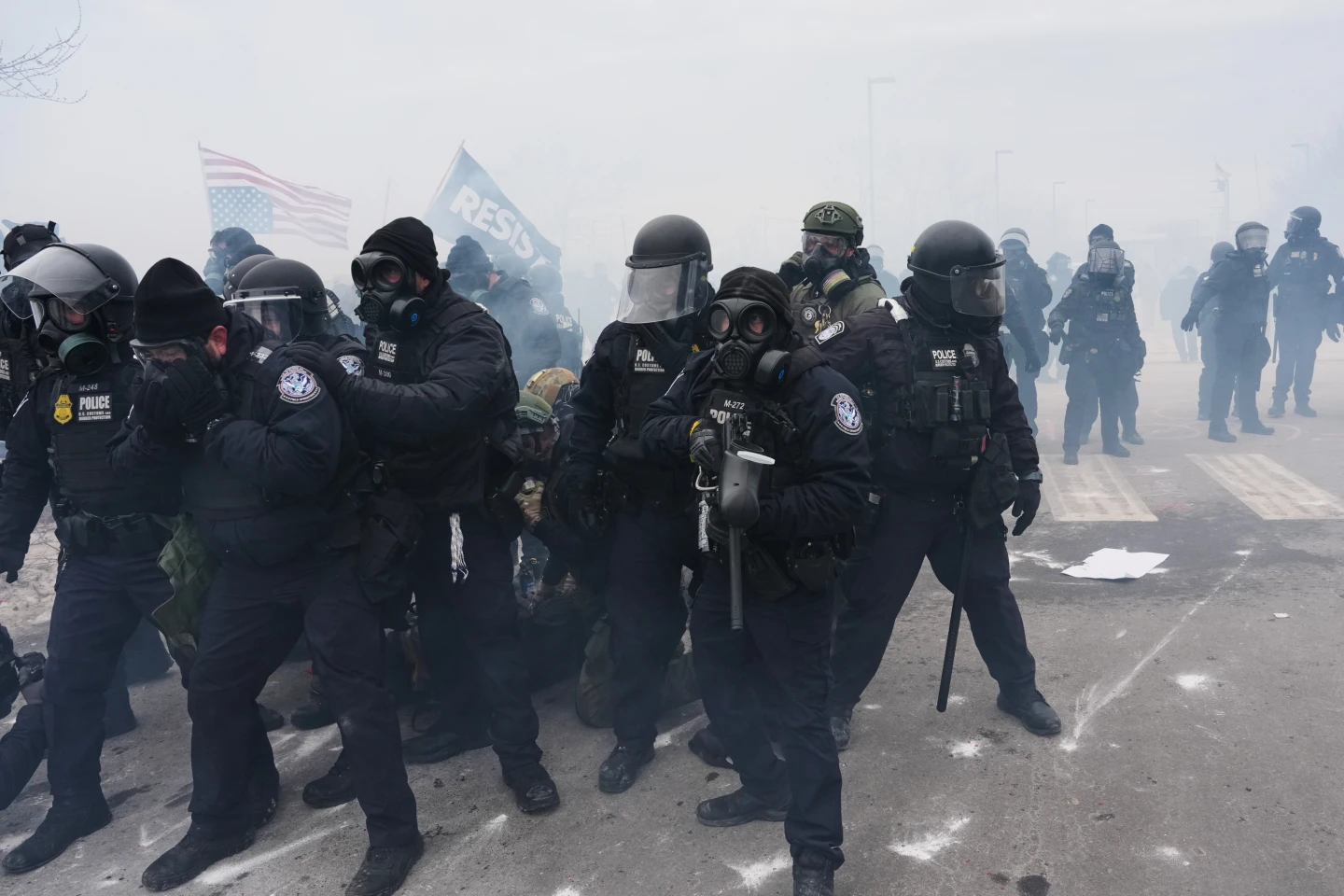
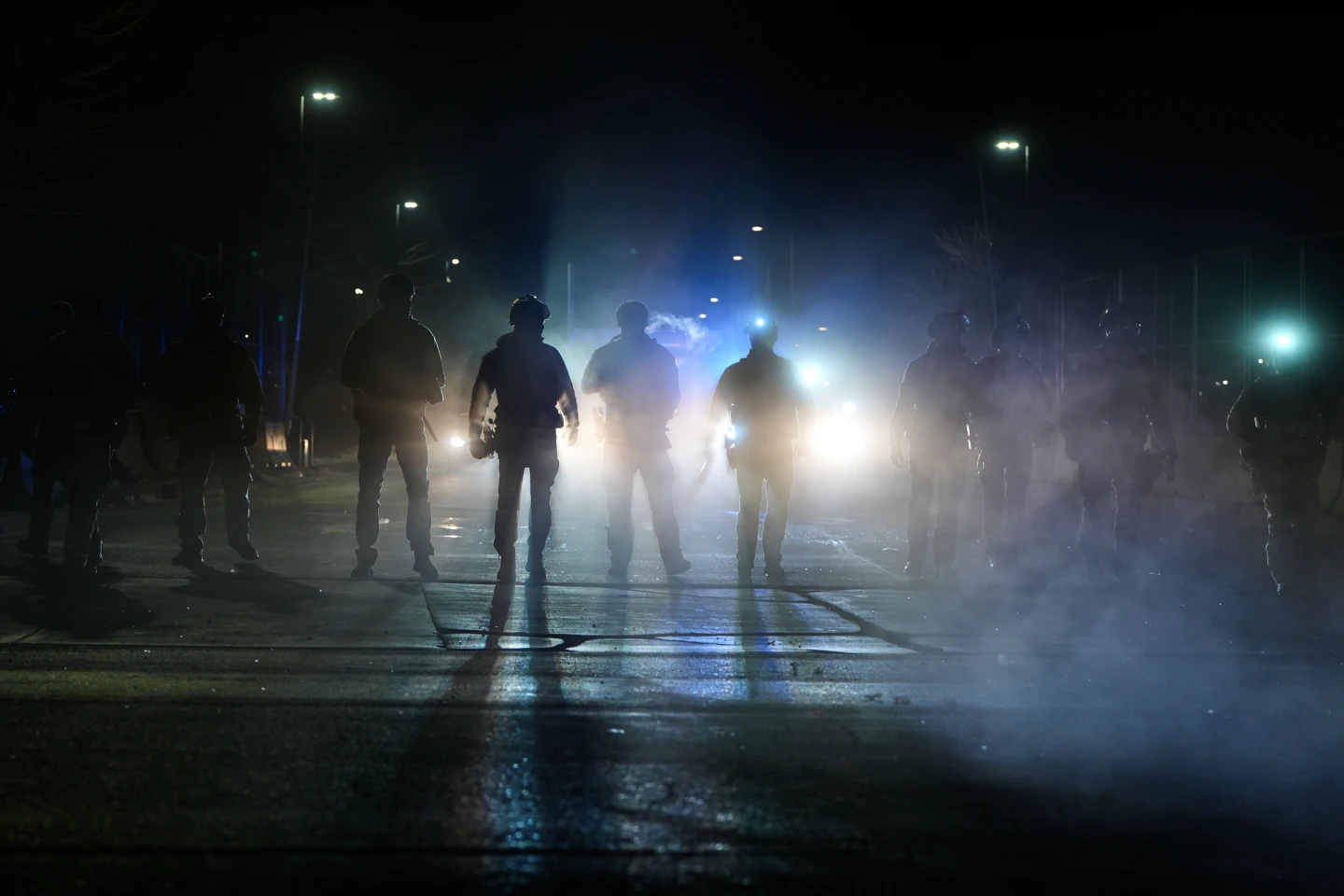
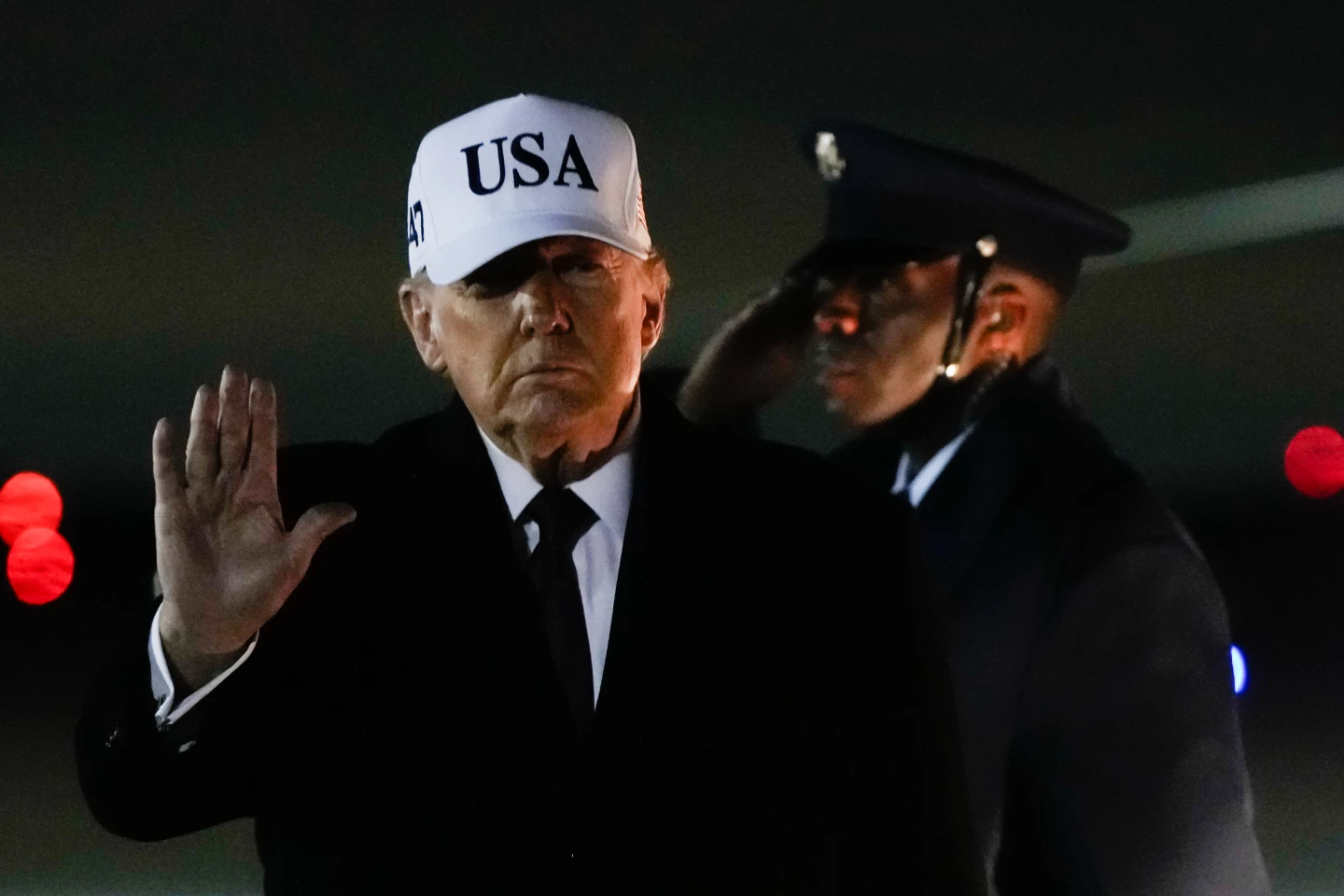
Trump’s administration has particularly scrutinized the Somali populace, spurred by legal issues faced by several defendants in a fraud case in Minnesota. As political rhetoric surrounding immigration heightens, fear among business owners escalates; they report drastic drops in sales that threaten the viability of their livelihoods.
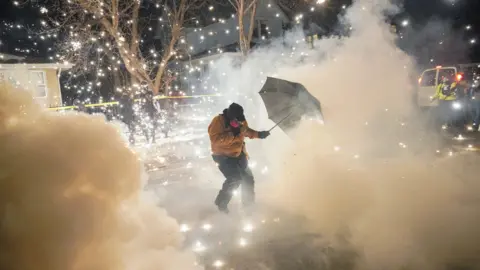
Safety concerns extend to all customers, whether documented or undocumented, with citizens echoing fears of becoming collateral damage in an aggressive enforcement atmosphere.
Bashir Garad, who runs an accounting service, shares the impact — with the bulk of his clients being East African Americans, most citizens, yet they remain hesitant to travel due to fears of being barred from re-entering the U.S. “They see a lot of unlawful things going on in the city,” Garad explained. “They look at something bad, and then they think some bad things may happen to them.”
The resignation felt among local businesses reflects a greater narrative — the economic consequences of current immigration policies ripple beyond individual stories, presenting a case for policy reconsideration that actively takes community ramifications into account.
Amid this turmoil, the voices of residents contend that profiling and discrimination must not be condoned. The frustration is palpable, as business owners like Ibrahim Dahiye express, “The government is not doing the right thing. If there’s a criminal, there’s a criminal… but to marginalize the community’s name, that is unlawful.”
As uncertainty looms, the fate of Karmel Mall, a cornerstone of the Somali economy in Minneapolis, hangs in the balance, asking what community cohesion and support might look like in the face of adversity.