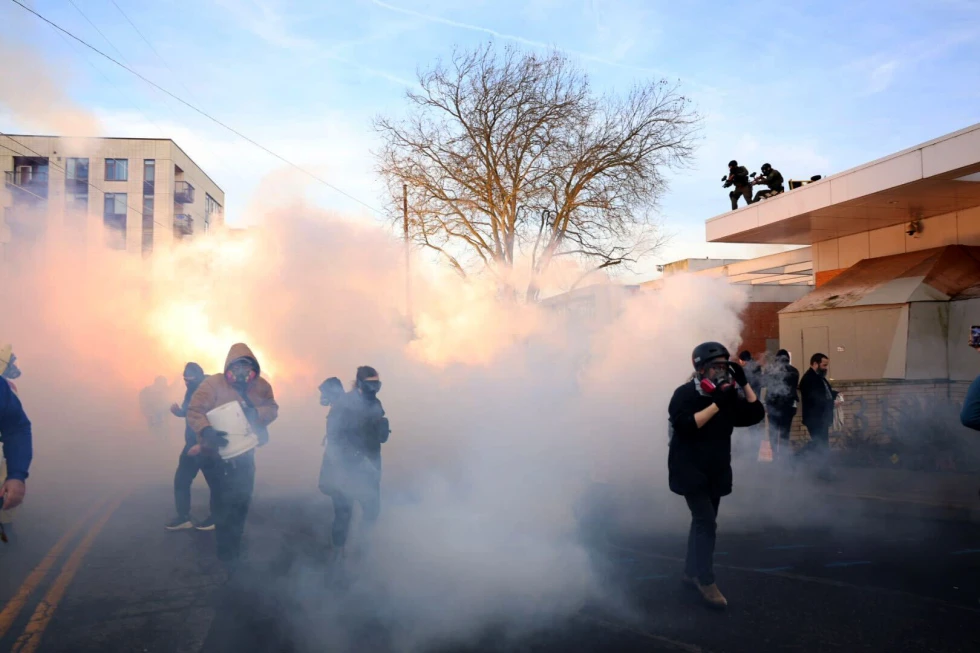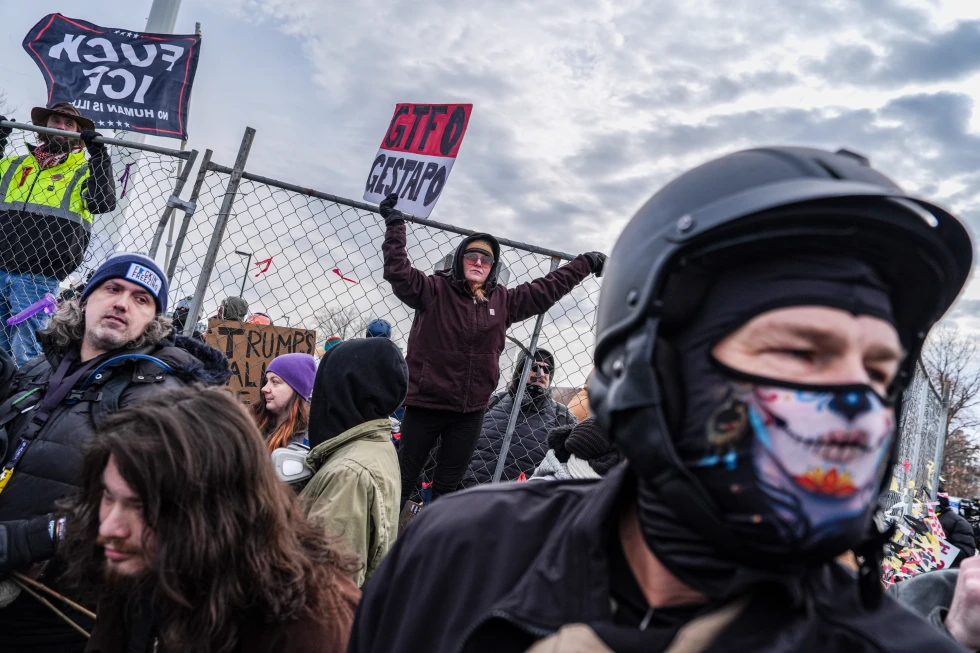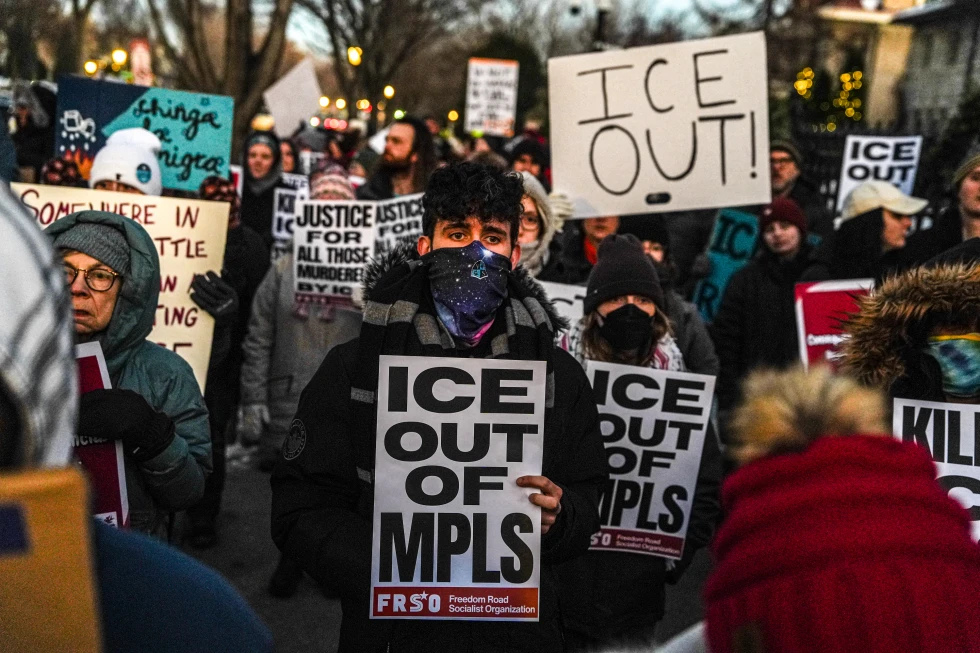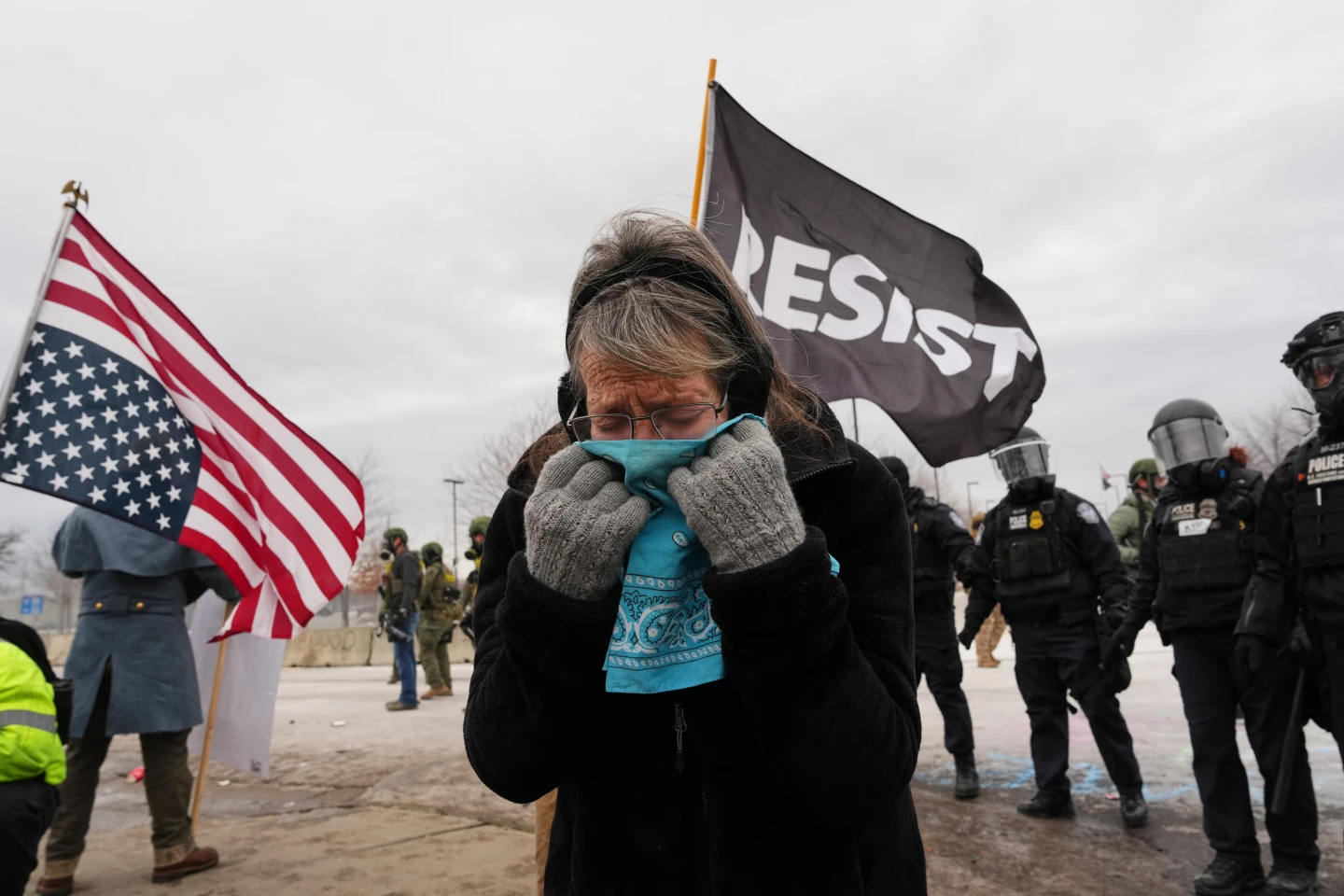
Federal immigration agents deployed to Minneapolis have used aggressive crowd-control tactics — including pointing rifles at demonstrators and deploying chemical irritants early in confrontations — actions the government says are necessary to protect officers from violent attacks. But law enforcement experts warn these measures are escalating risk and being carried out by agents without extensive crowd-management training.
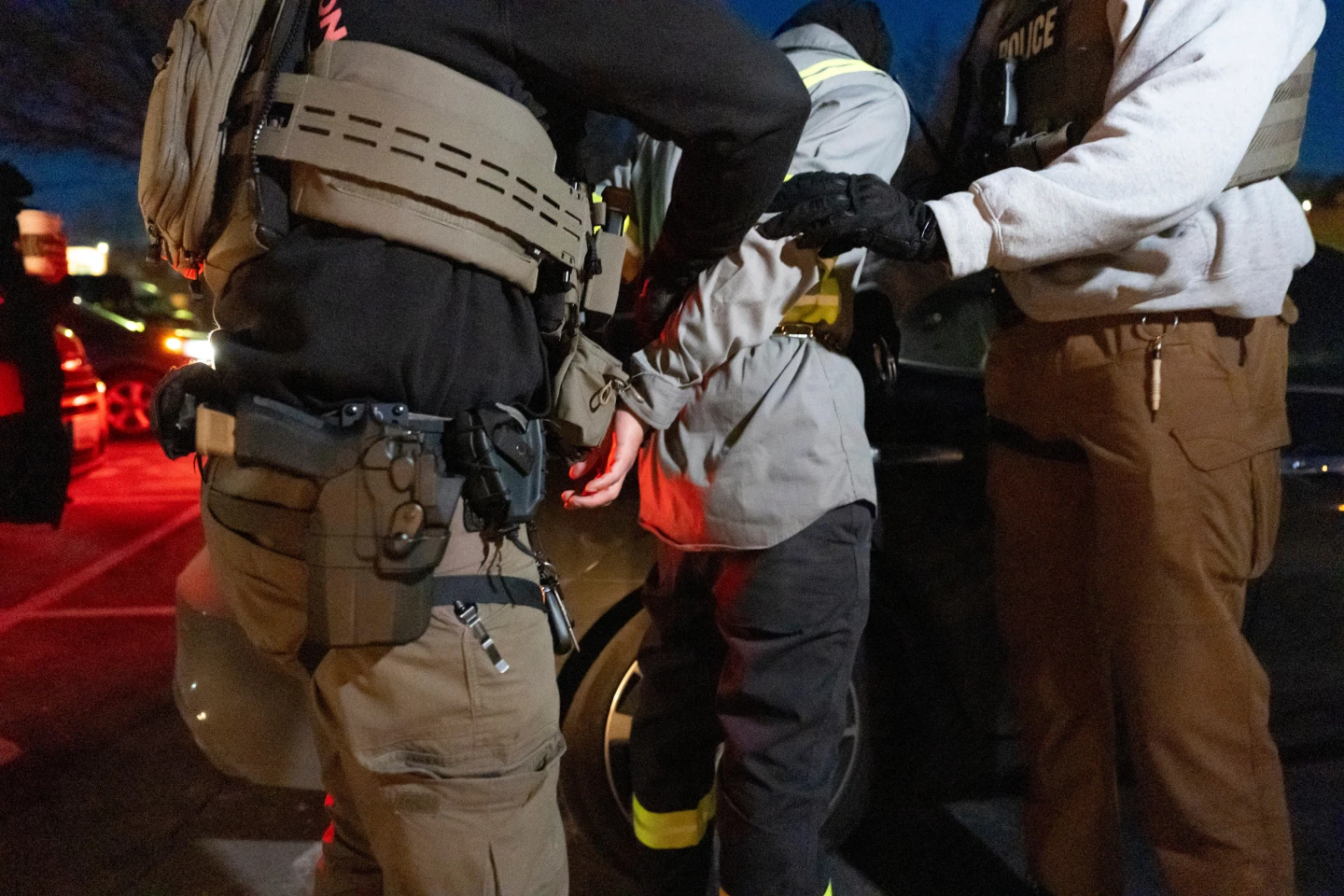
Videos and witness accounts reviewed reveal federal agents breaking vehicle windows, pulling occupants from cars and deploying chemical agents during close confrontations with protesters. Experts caution that such tactics, while sometimes justified in targeted arrests, are risky when used on crowds.
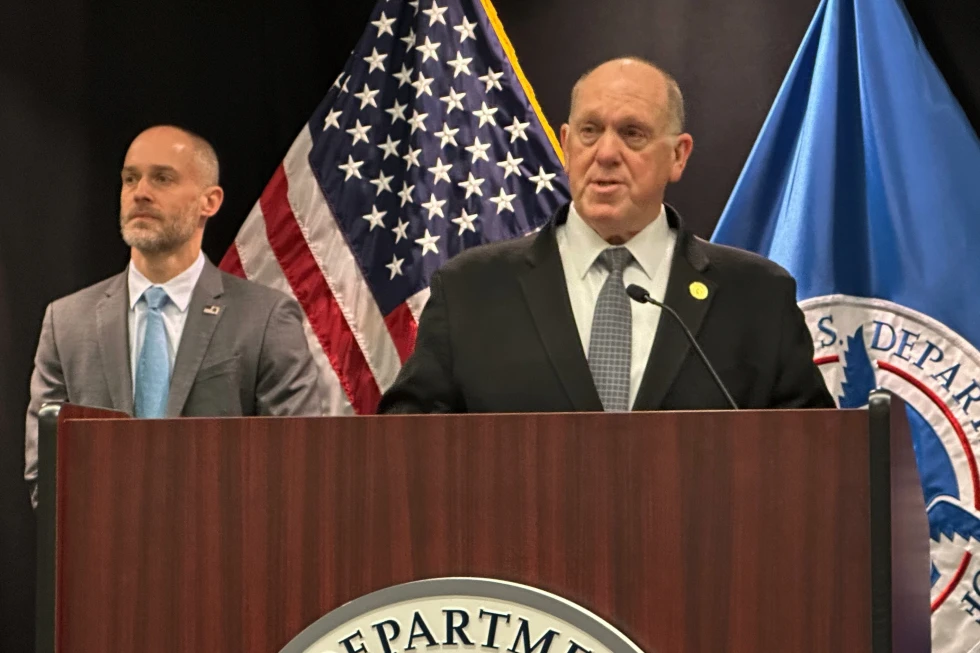
This situation unfolds amidst a significant immigration enforcement surge ordered in early December, sending over 2,000 Department of Homeland Security officers into the Minneapolis-St. Paul area, many of whom are not trained for crowd management.
What is occurring in Minneapolis reflects a larger shift in the federal government's approach to protests, relying on immigration agents to handle crowd control traditionally managed by local police, a move experts say poses significant risks of escalating conflict.
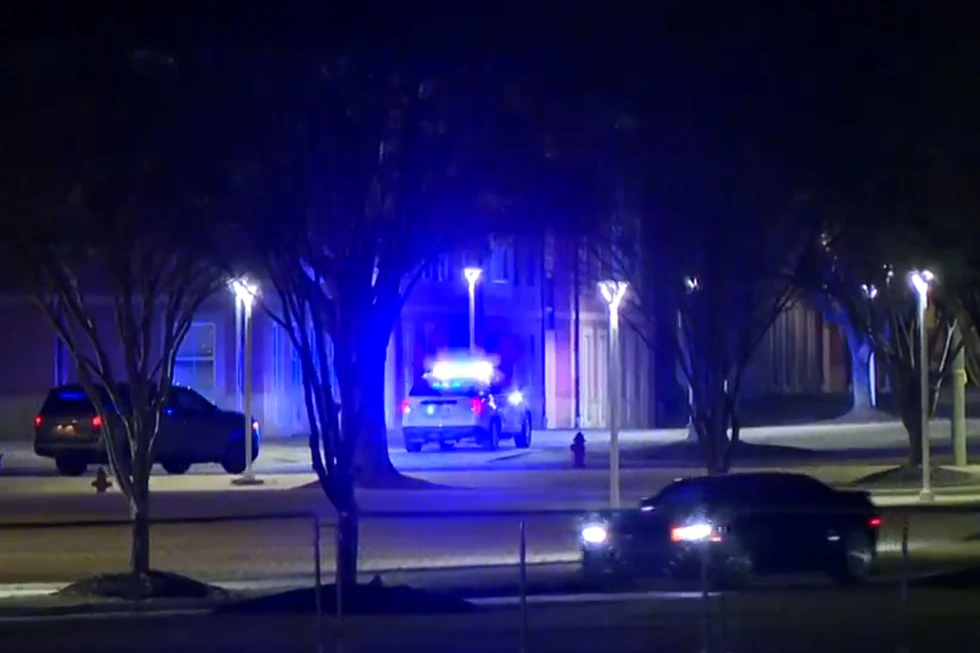
Tensions spiked following the shooting of Renee Good, a 37-year-old woman killed by an immigration agent, which federal officials defended as self-defense. This incident has intensified scrutiny of the federal response and the tactics being employed.
On Monday, the American Civil Liberties Union of Minnesota filed a lawsuit seeking an emergency injunction to impose restrictions on federal operations during protests, which includes limiting chemical agent use and the pointing of firearms at non-threatening individuals.
Experts emphasize that these aggressive tactics do not align with best practices in crowd management and can exacerbate tensions, creating dangerous situations for both authorities and protesters.
Despite assurances of comprehensive training for officers, criminology experts argue that current practices used by ICE during protests are subpar and risk further escalation of conflicts rather than de-escalating them.
As tensions rise, the call for accountability and proper training among federal officers is becoming increasingly urgent, reflecting broader concerns regarding the relationship between law enforcement and communities during times of unrest.