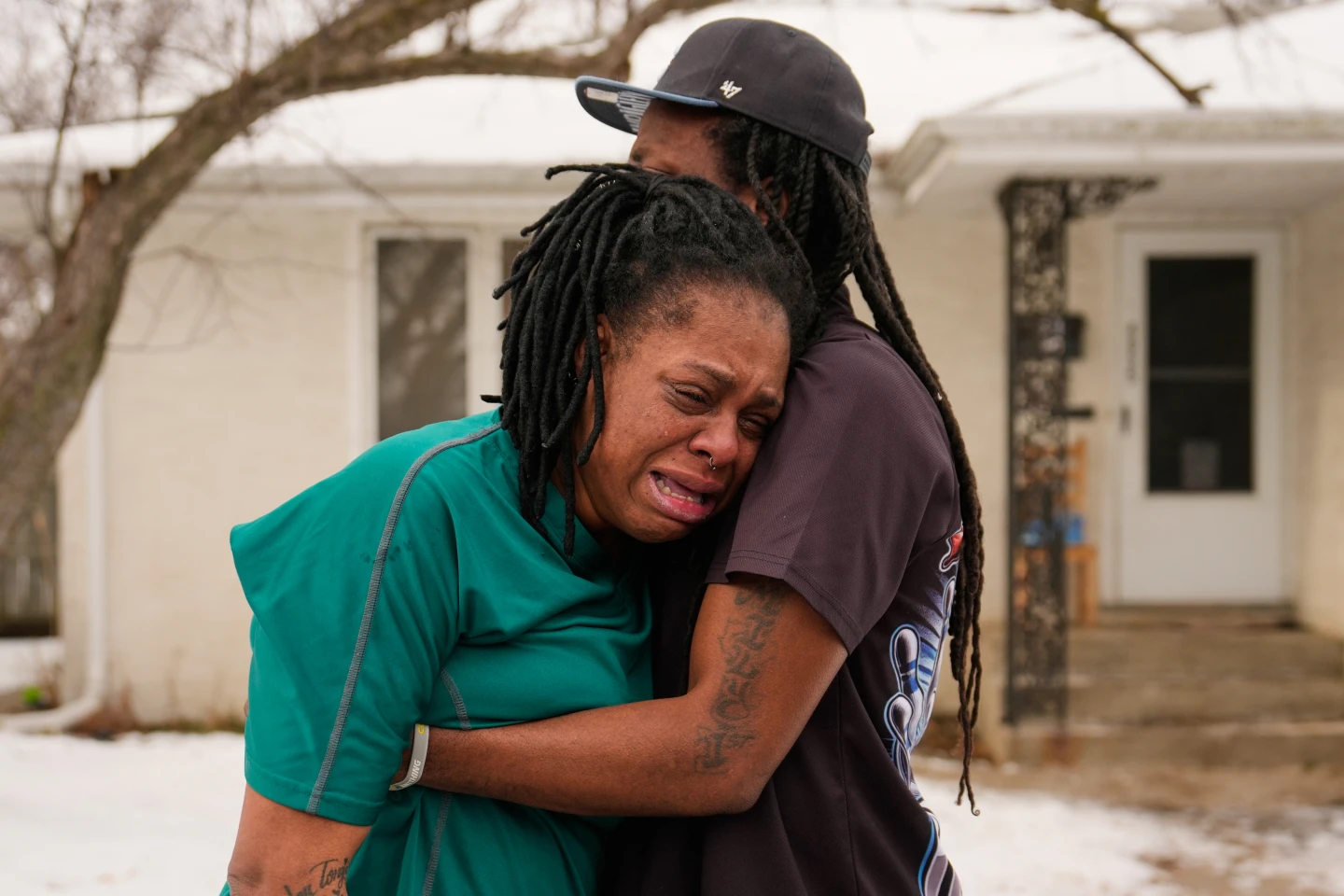
MINNEAPOLIS (AP) — The arrest of Garrison Gibson, a 37-year-old Liberian man, has ignited significant backlash against federal immigration enforcement practices after immigration agents utilized a battering ram to breach his home in Minneapolis last weekend. Gibson's attorney, Marc Prokosch, criticized the method of arrest, labeling it a “blatant constitutional violation” since the agents lacked a proper warrant required for such forceful entries.
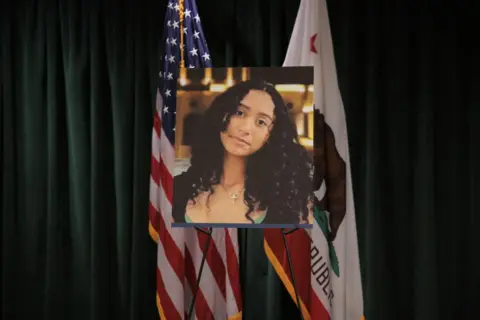
This operation is part of a larger crackdown on immigration in Minnesota that the Department of Homeland Security has termed its most extensive yet. The arrest occurred shortly after the city was rocked by unrest due to the shooting of 37-year-old Renee Good by immigration agents, which sparked protests and intensified scrutiny on law enforcement's approach.
According to Prokosch, Gibson had been periodically checking in with immigration authorities under an order of supervision stemming from a previous conviction for drug-related offenses, which was later dismissed. Despite having complied with the law for years, he was apprehended amid heightened tensions.
“If he’s this dangerous person, then why are they letting him walk around?” Prokosch questioned, highlighting the inconsistency of the enforcement actions.
Gibson was temporarily detained in Texas but was brought back to Minnesota following legal intervention by Prokosch. Details surrounding his past reveal a limited criminal record primarily consisting of minor offenses, contradicting assertions made by authorities about a "lengthy rap sheet."
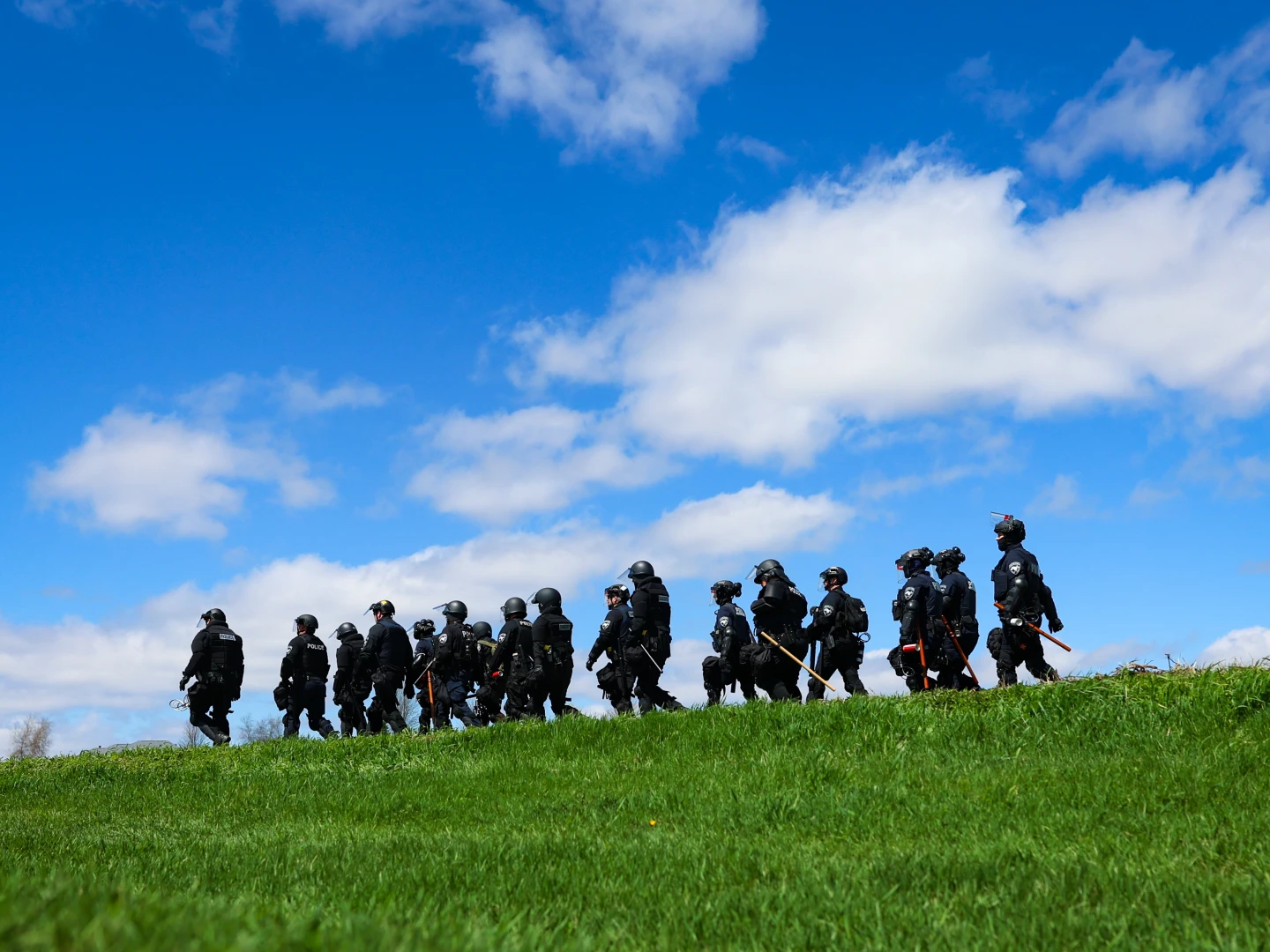
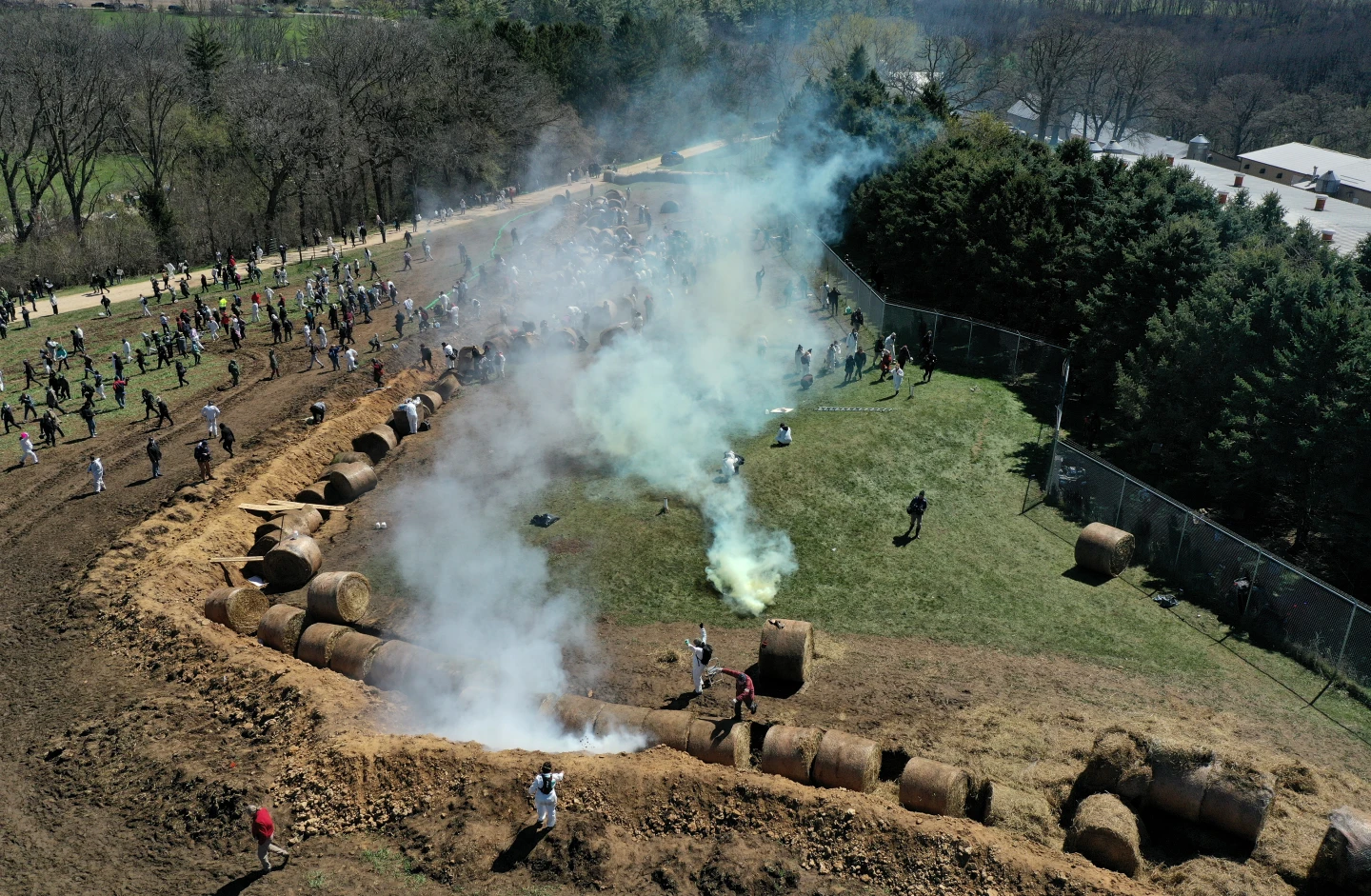
In response to Gibson's arrest, activists rallied outside the location, aiming to disrupt the operation and support his family during the distressing situation. Videos from the scene captured violent clashes between demonstrators and immigration agents, with reports of officers using pepper spray to disperse the crowd.
The incident has prompted discussions about the administration’s immigration enforcement strategy, particularly in a state already strained by recent tragic events related to immigration policy. Public officials have called for transparency and accountability from the federal government as investigations into the shooting of Good unfold, emphasizing the need for community involvement in documenting evidence.
As calls for changes in immigration enforcement continue, many await further developments in Gibson’s case, along with the implications it may hold on broader immigration policies and practices.