Nearly 1,000 households displaced by catastrophic wildfires in Maui are anxiously awaiting word on whether federal assistance helping them stay housed will be left to expire, forcing them to find new housing or pay more for it in one of the tightest and most expensive rental environments in the country.
For two and a half years, the Federal Emergency Management Agency (FEMA) has been key to assisting those residents. However, FEMA is facing pressure due to a broader effort to reduce the agency’s role and transfer responsibilities to states, leading to uncertainty about the continuation of funding.
Advocates warn that ending rental assistance could thwart recovery efforts, pushing many displaced residents into homelessness and exacerbating an already dire housing crisis.
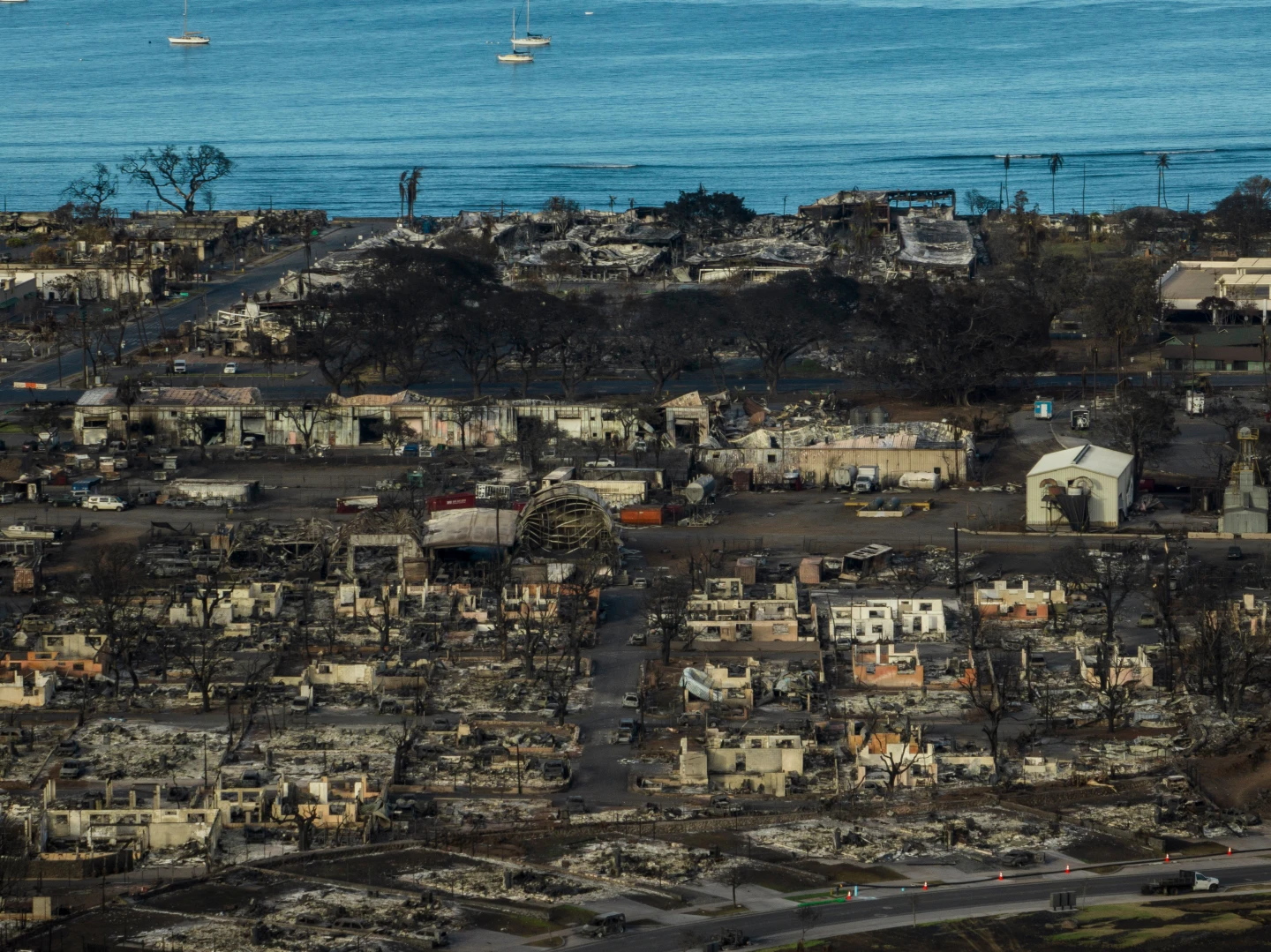
After the wildfires destroyed 2,200 structures and claimed 102 lives, FEMA implemented assistance measures for over 12,000 affected individuals. Despite an initial extension to the housing program until February 2026, the availability of housing remains critically low.
“All of them entering into our already impacted rental market in February scares me a lot,” said Nicole Huguenin, executive director of Maui Rapid Response.
With few homes rebuilt and the rental inventory dwindling, the state has requested another extension from FEMA, with a decision expected before January's end.
The uncertainty comes against a backdrop of broader discussions about FEMA's future role and funding strategies following disastrous events. The latest unrest around FEMA and the housing market has put immense pressure on displaced residents, many of whom continue to struggle to find affordable accommodation.
As the deadline approaches, Maui County remains optimistic, yet realistic, about the challenges ahead. Their contingency plans suggest that if FEMA assistance ends, the county may need to step in to help displaced families.