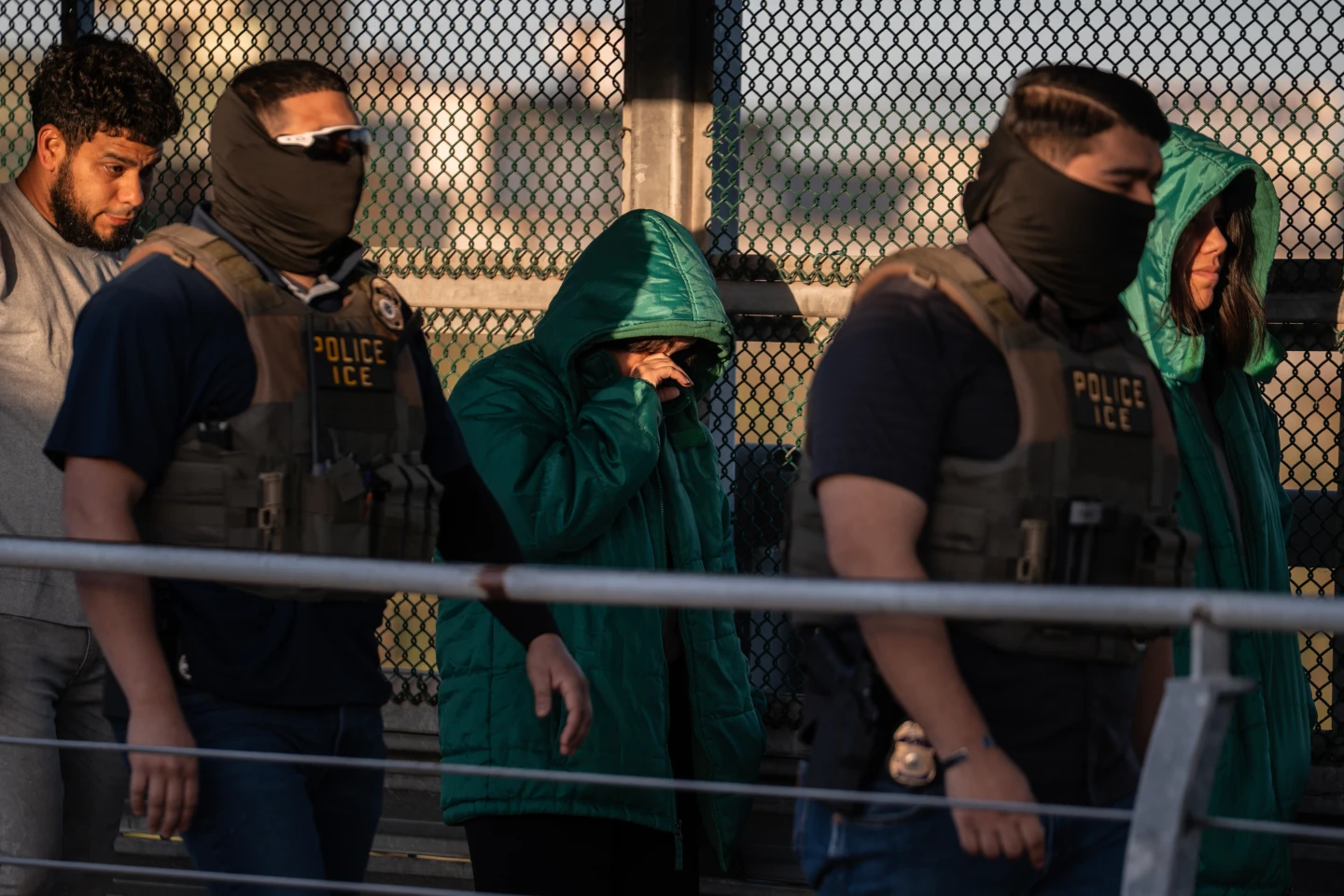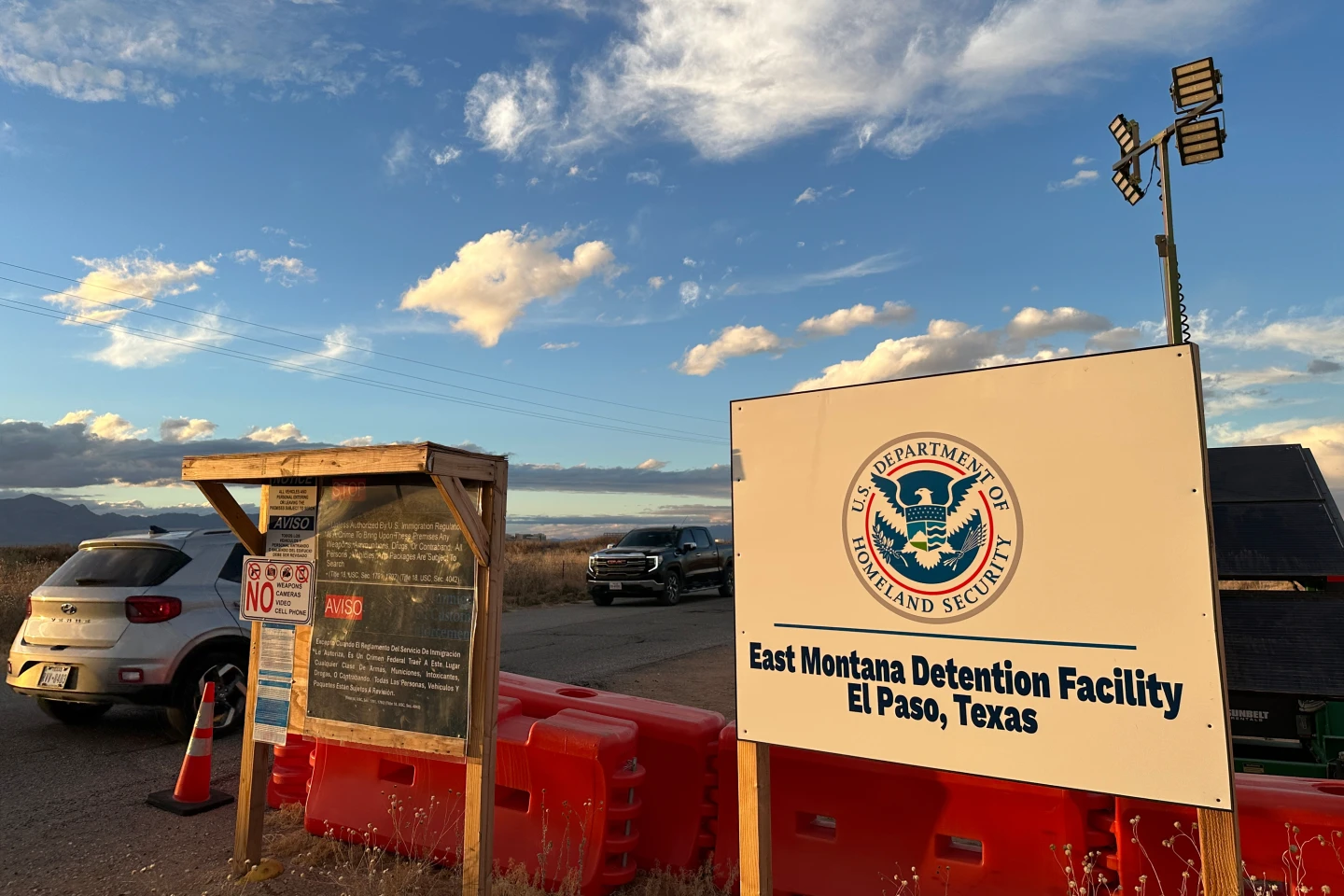
President Donald Trump announced on Tuesday that starting February 1, he will deny federal funding to any states that harbor local governments resisting his administration’s immigration policies. This expands on previous threats to cut resources to the so-called sanctuary cities themselves.
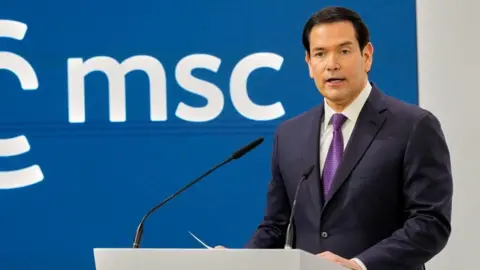
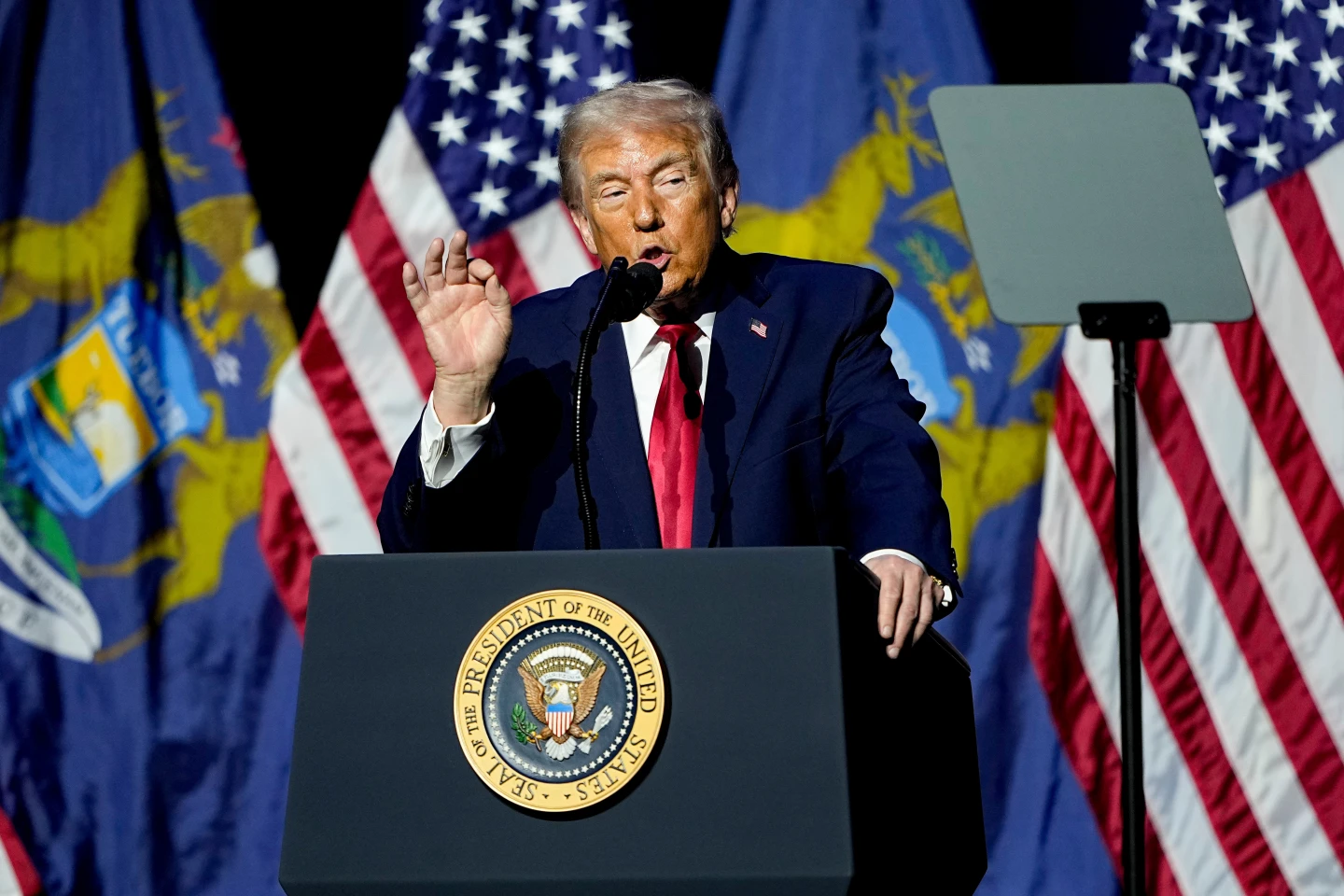
Such a bold move could have significant ripple effects across the U.S., including areas that may not be overtly hostile to noncitizens. During a speech at the Detroit Economic Club, Trump stated, “Starting Feb. 1, we’re not making any payments to sanctuary cities or states having sanctuary cities, because they do everything possible to protect criminals at the expense of American citizens and it breeds fraud and crime and all of the other problems that come.”
When pressed by reporters for specifics about the funding affected, Trump cryptically replied, “You’ll see. It’ll be significant.” There is currently no strict definition for sanctuary cities, but the term generally refers to jurisdictions that limit cooperation with Immigration and Customs Enforcement (ICE).
Judicial Resistance to Funding Cuts
Previous attempts by Trump to withhold federal funding from sanctuary jurisdictions were rebuffed by the courts. In an executive order from last year, the president directed federal officials to withhold money from jurisdictions that seek to shield immigrants from deportation. A California judge struck down this directive, despite government attorneys contending it was premature to halt a plan that had no actionable conditions laid out.
During his first term, courts also struck down Trump’s prior funding cut efforts, raising skepticism about the enforceability of this latest initiative.
Democratic-controlled Jurisdictions Under Scrutiny
The Justice Department last year published a list designating three dozen states, cities, and counties as sanctuary jurisdictions, predominantly consisting of Democrat-led regions, including California, Connecticut, New York City, and Cook County, Illinois. This list replaced an earlier compilation that received backlash from officials who questioned the rationale for their inclusion.
Ongoing Funding Threats
In recent weeks, the federal government has begun threatening funding cuts for various programs while facing multiple legal challenges. The U.S. Department of Agriculture has warned states resisting data reporting requirements for the Supplemental Nutrition Assistance Program that their administrative funds may be reduced. So far, no funding has been withdrawn.
Moreover, the Department of Health and Social Services announced it would halt aid from five Democratic-led states over unfounded allegations of fraud concerning daycare subsidies. However, a legal intervention suspended these funding cuts.
Trump's administration has also targeted Minnesota, where they have sent federal officers to enforce immigration laws amidst a funding freeze from the Agriculture Department with limited details. Additionally, the Centers for Medicare and Medicaid Services indicated intent to withhold $515 million quarterly from Medicaid programs in Minnesota, claiming high-risk status related to fraud suspicions.