Trump and Netanyahu’s War‑Dream Turns Into a Permacrisis
On the last day of February, Donald Trump and Benjamin Netanyahu announced a joint offensive against Iran, each convinced that a swift victory would reshape the region. They imagined a post‑war world where Iran’s influence collapsed and the Strait of Hormuz could be reopened with a new trust between the West and Tehran.
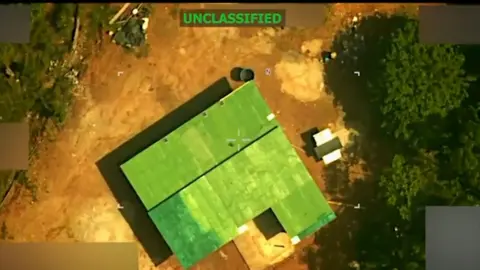
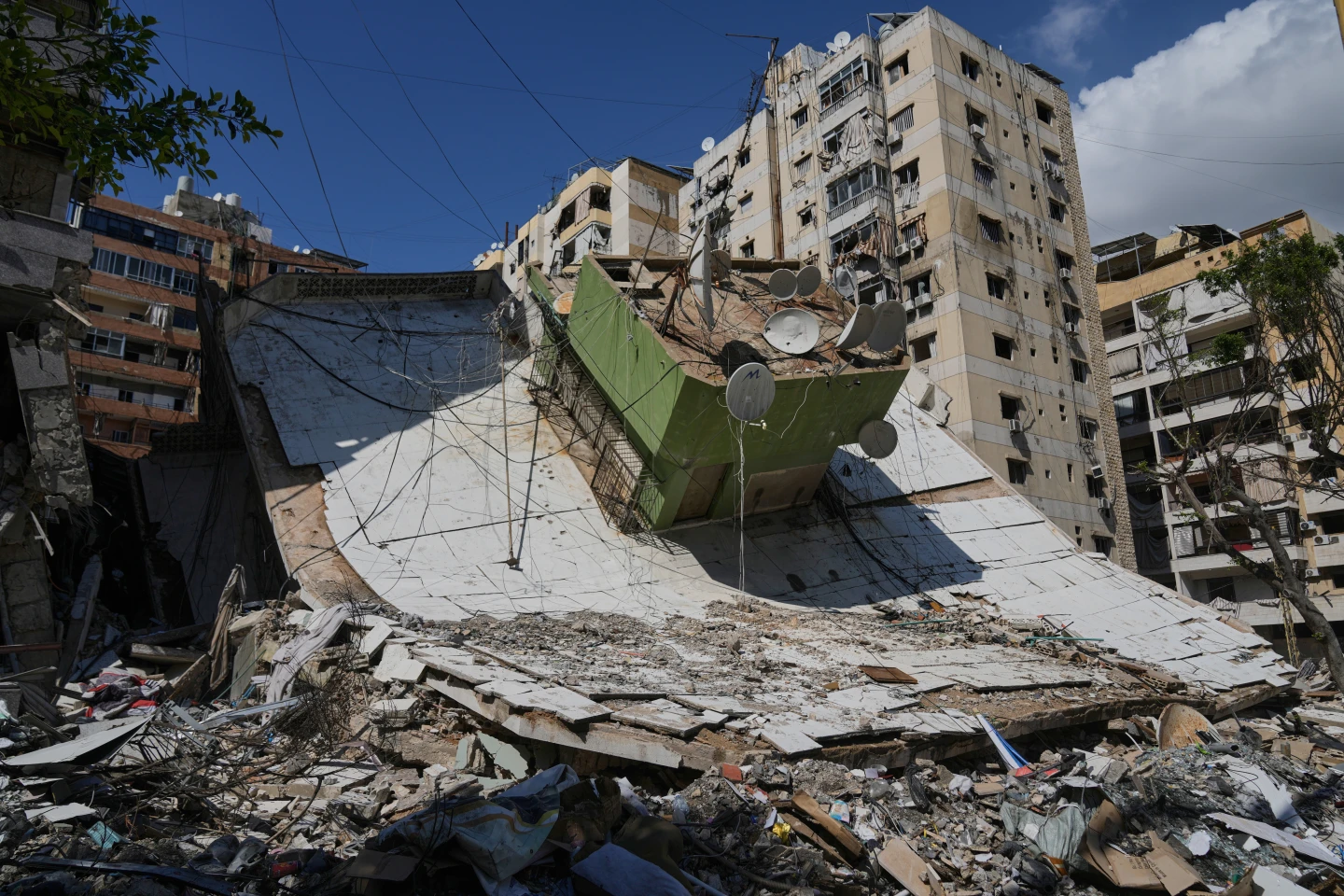
Instead of collapse, the Iranian regime has proven far more resilient. Recent incidents –– the downing of a U.S. Apache helicopter in Iranian airspace and the continued strikes by Israel on Lebanese targets –– demonstrate that Tehran can wage a long‑term attritional war, threatening global oil flows and the economies that depend on them.

Trump had expected a quick, textbook regime change, citing the U.S. removal of Venezuela’s leadership as a precedent. Israel had been striking Hezbollah and other Iranian allies, believing that eliminating Iran’s regional influence would follow. Both underestimated the depth of Iran’s ideological commitment and the state’s capacity to adapt to sustained warfare.
Meanwhile, the ongoing conflict has triggered economic shockwaves. The Strait of Hormuz, one of the world’s busiest shipping lanes, has been largely closed since February. The closure risks costly disruptions to global oil markets, underlining why a diplomatic solution remains elusive.
Now, as the fighting lurches in and out of outright conflict, Trump and Netanyahu must re‑evaluate their objectives. The U.S. must balance the potential diplomatic gains of a negotiated settlement against the risk of an intensified deterrence strategy from Iran, while Israel weighs the feasibility of continued military pressure versus a negotiated cease‑fire that could prevent further escalation.
In short, the war that was supposed to bring rapid change has become a protracted, high‑stake standoff that could permanently reshape the Middle East and the global economic landscape.