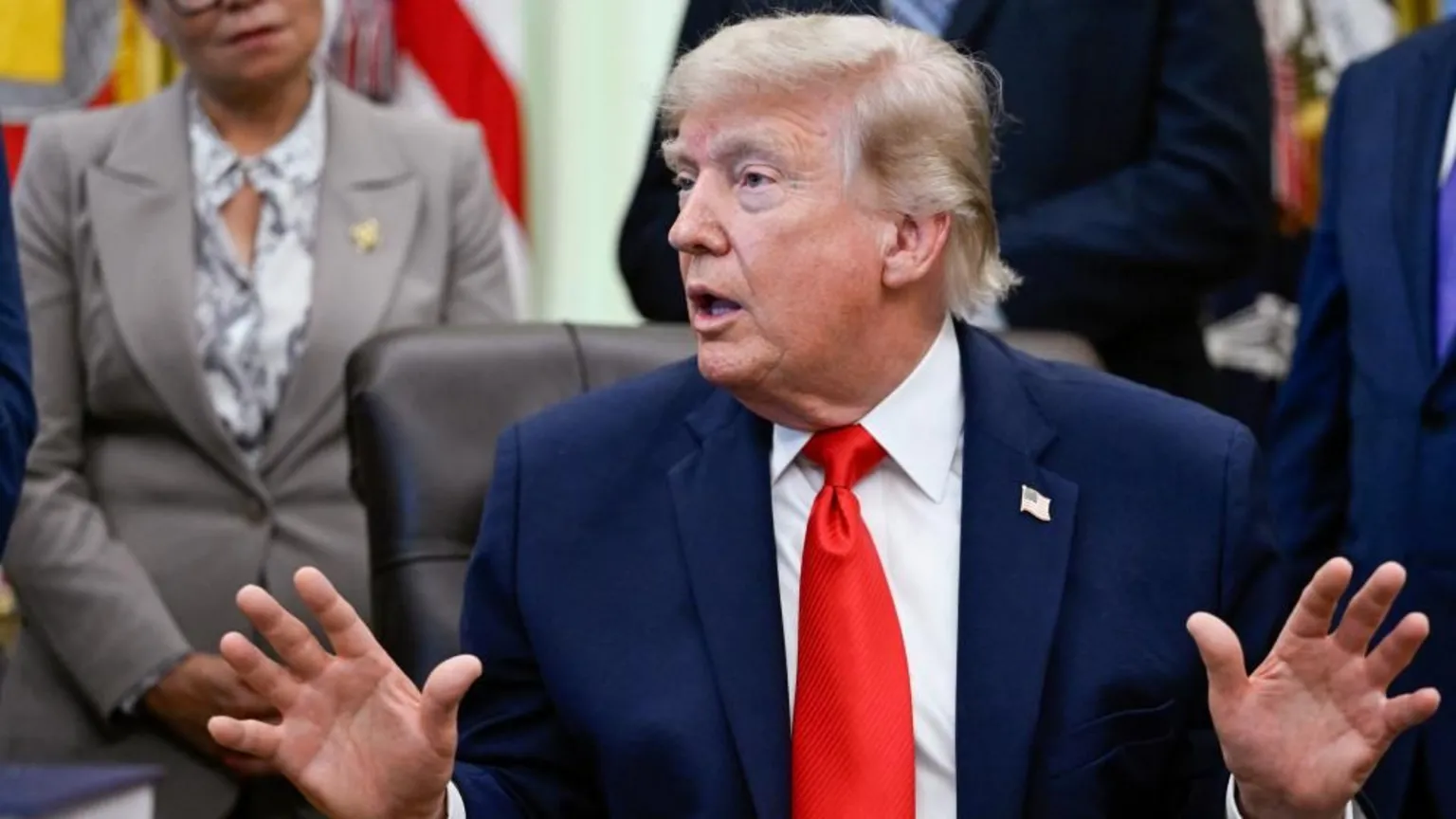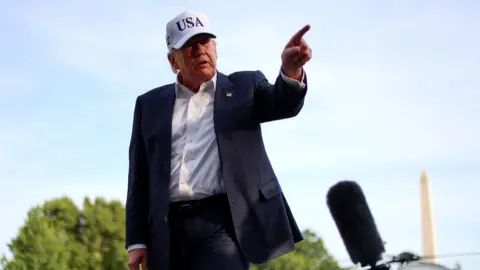
In a secretive night at Mar‑a‑Lago, former U.S. President Donald Trump promised victory against Iran, whispering to allies that a swift regime change would finally unshackle the Middle East. A day later, Israeli Prime Minister Benjamin Netanyahu, perched on a high‑rise in Tel Aviv, echoed the sentiment, declaring the warmth of the war would smite Tehran’s tyrant cause.
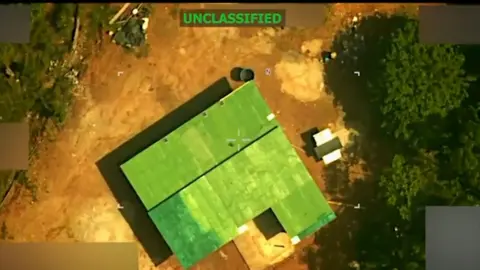
Both men quashed the idea that war simply ends when top leaders fall. Iran’s nuclear arsenal, bolstered by decades of sanctions and internal resilience, remained intact, while the Iranian regime’s new leaders continued to portray the U.S. and Israel as existential threats. A sudden downing of an American Apache helicopter over the Iranian coast cut short the solidarity of a powerful squadron and reminded all parties that the knife‑blades of war still cut deep. The HACO crew survived, but a fatal accident would have gone much farther.
Trump’s narrative of easy diplomacy has made the former president’s office feel wrong. He built a black‑rose pathway in Washington, urging America’s military to rescue the president of Venezuela and install a compliant government in Caracas—a textbook case of the way the U.S. wants to engage the globe. Iran proved that regime change is not a rolling carpet of boots and requisition, but a highly complex web of ideological commitment and tight‑knit national defense. The same goes for Israel.
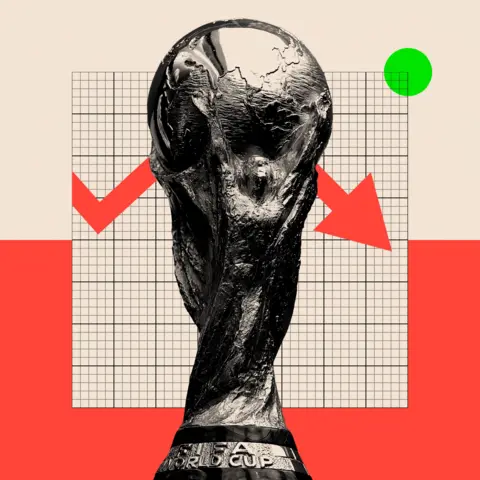
Iran, realizing that its survival is tied to the security chokehold over the Strait of Hormuz, uses coal and ambition to threaten the global market. A close‑up of ships in its upstream waters now lie idle, while investors complain that the once‑bustling waterway may never be fully restored without new diplomatic breakthroughs or a stable regime.
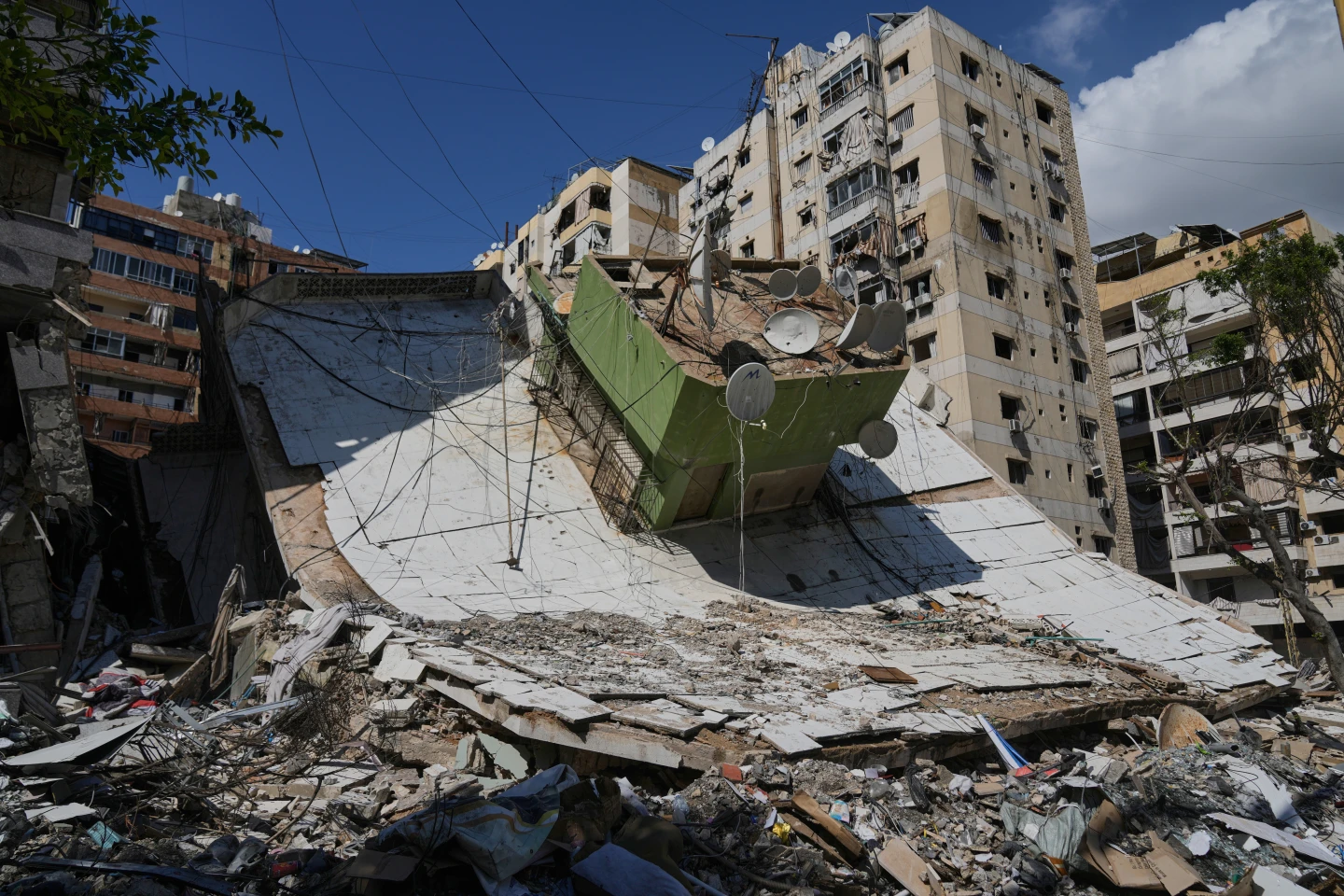
The blockade of the Hormuz Strait turned a smaller war into a strategic logjam that threatens world trade. The Lebanese and Khyber conflict has been a veritable spark that could jump into a tinderbox of wide‑scale war. With Israeli forces firing into southern Lebanon, the world watches as the sign of progress remains a black‑ho in the fog of conflicts.
When Obama said the world might star in a here‑and‑now battle, it was the year of the wind runner and retreat in the U.S. The mighty global market still wakes when the lines are open, and that is why major power, treasury, and political leaders have never sold the end of the war as a canard. Instead, they clung to a flip‑top mental picture that war becomes a turning point for the future. From the freedom battles of the overnight lashings in the Middle East to a statement of war in America, the narrative is a piece of an intrepid plan. It failed when the world failed a contract. The result is a very intense, endless after‑war cycled circumstance that rarely leads to ending or victory.