US-Canada Trade War Escalates as Trump Threatens Tariff Hike on Vehicles
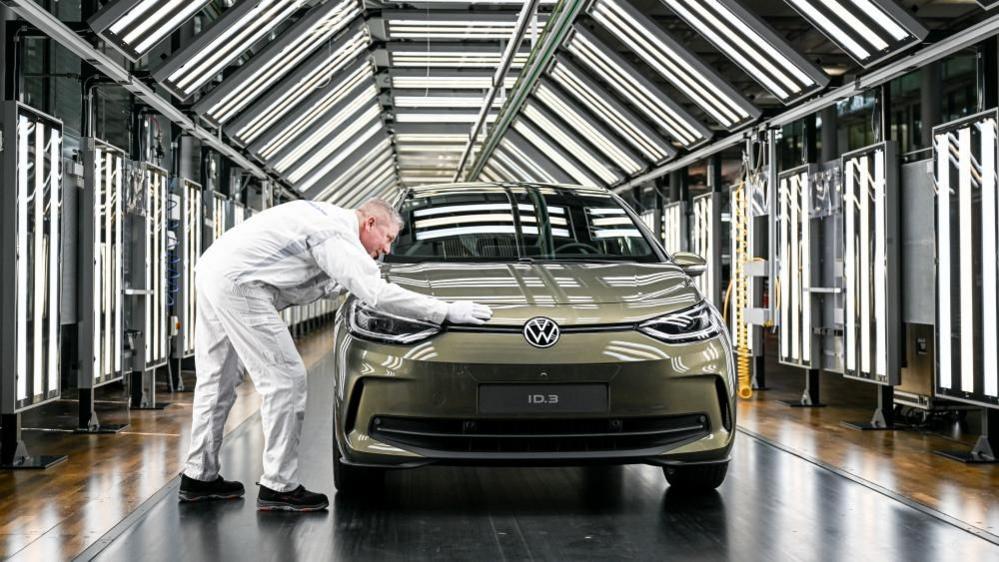
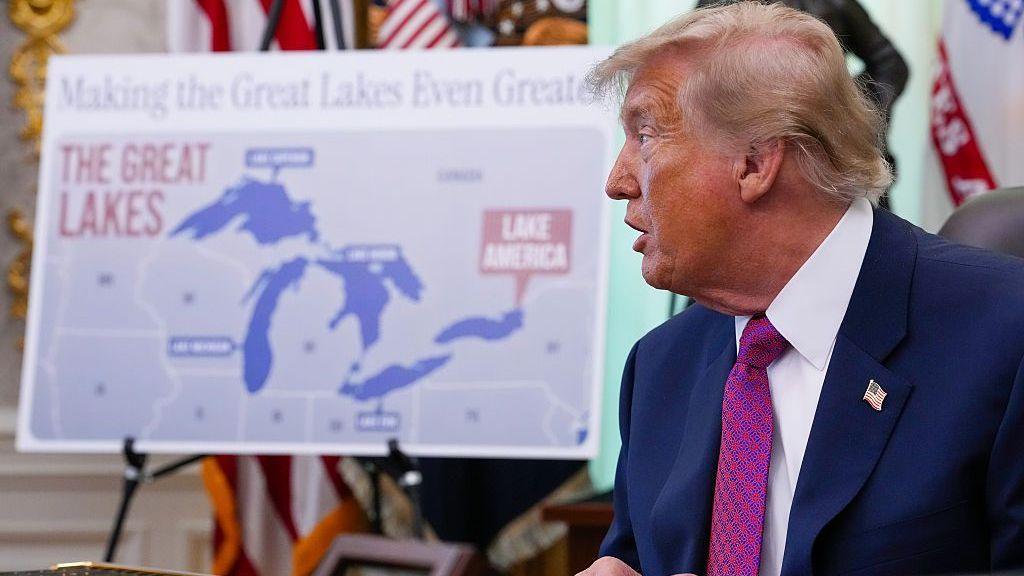
Yesterday President Donald Trump abruptly announced that U.S. tariffs on Canadian automobiles, trucks and auto parts would increase from 25% to 50% on January 1, a move that could severely dent the country’s automotive exports.
The minute‑a‑minute statement came after the collapse of trade talks that had seemingly approached a resolution. Canadian officials accused U.S. demands of being “unacceptable,” pointing to a clause that would restrict Canada’s trade‑deals with other countries, while U.S. officials counter‑claimed that Canada itself had engineered last‑minute changes.
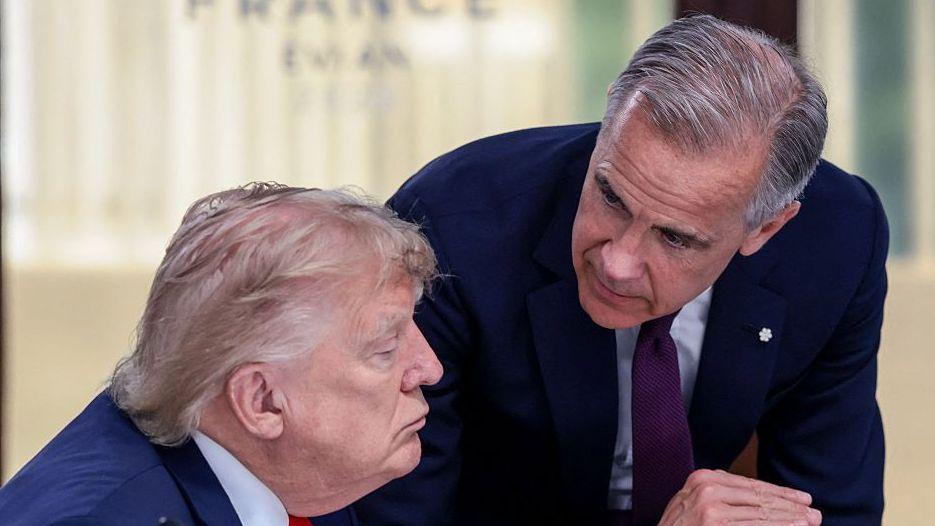
Mark Carney, Canada’s finance minister, vowed to counter the levy dollar‑for‑dollar, and pledged C$11 billion to build new icebreakers that will open winter shipping lanes and diversify the country’s trade routes. Carney said the government would “support and protect Canadian workers” while seeking a return to talks only if the U.S. arrived with a “right attitude.”
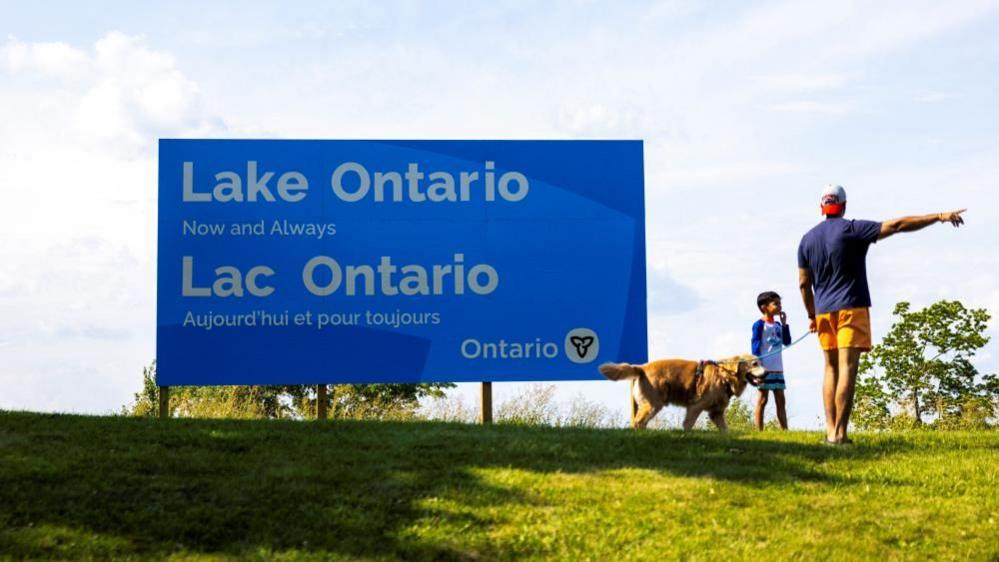
Canadian auto manufacturers in Ontario have warned that parts and finished vehicles could have prices inflated by up to 50%. One Portland shop says that its best‑selling Canadian pillows could cost $90 after a tariff shock, illustrating how quickly supplies and prices could be affected.
The dispute arrives against the backdrop of the USMCA, a $1.6 trillion trade pact with Mexico. While Canada and Mexico call for an extensions, the United States has challenged the treaty’s renewal. Economists warn that a breakdown could send Canada into recession and set it on a permanently lower growth trajectory.
Doug Ford, premier of Ontario, famously told Mr. Trump to “kiss my ass,” adding that Canada should simultaneously seek costs for U.S. oil, gas and electricity use. The exchange attracted a shared “bluster” accusation from President Trump on Truth Social, illustrating how rhetoric is being deployed alongside threats.
In sum, the U.S. tariff hike threatens to trigger a chain reaction of counter‑tars, political fallout, and economic uncertainty for businesses across the continent, putting the future of North American trade at stake.