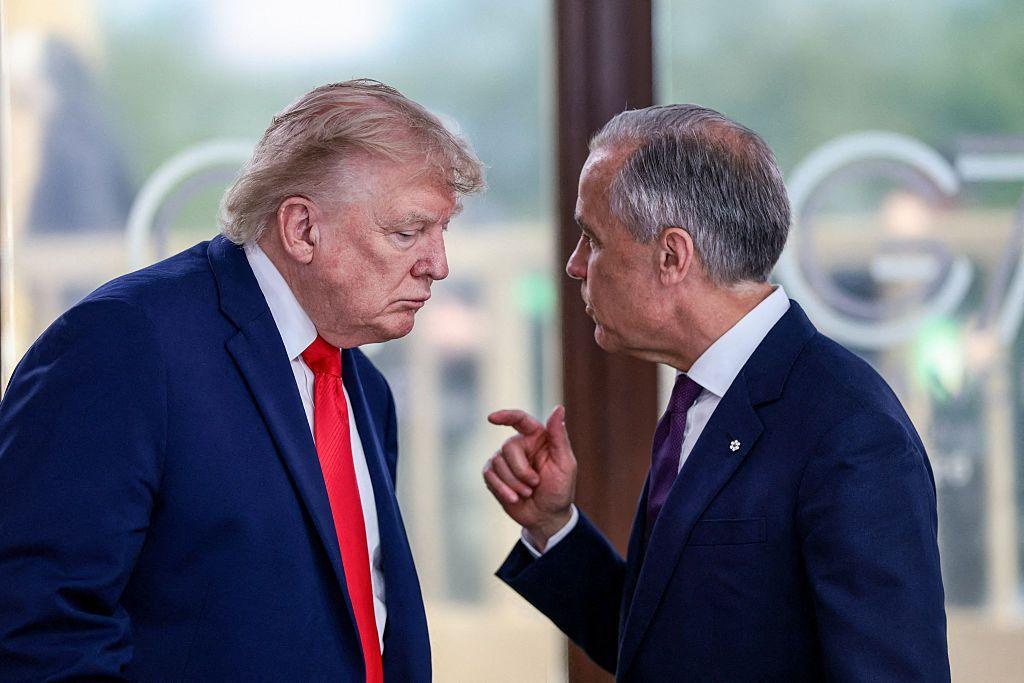
Trump Slaps 50% Tariff on Canadian Imports, Escalating Trade Showdown
On Monday, US President Donald Trump signed an executive order that imposes a 50% tariff on a wide range of goods imported from Canada. The duties take effect on 19 August and cover items ranging from everyday consumer products such as wine and hockey sticks to industrial goods like commercial cement.
White House officials say the tariffs are necessary to protect American businesses from "unequal treatment" of US cars, dairy and alcohol in Canadian markets. The new duties build on existing trade barriers that already impose 15%‑to‑50% tariffs on Canadian steel, aluminum, copper, softwood lumber and vehicle parts.
While the tariffs target a broad catalogue of imports, key Canadian exports such as energy, potash, critical minerals and fish are exempted. Canada has already imposed a 25% counter‑tariff on certain US steel, aluminium and vehicle imports.
The decision follows President Trump’s earlier threat to impose tariffs over Canadian wildfire smoke drifting into US cities—a threat that did not appear in the executive orders. Instead, the three proclamations focus on trade irritants that Canada has previously cited, including a tax on US motor vehicles and parts not covered under the USMCA, a supply‑management system restricting dairy imports, and a boycott of US alcohol by Canadian provinces.
These moves signal a breakdown of trade negotiations between the two neighbours. Canadian trade negotiators have been working to secure a deal that would reduce some of the current US tariffs, but the new levies indicate talks are heading in the wrong direction for Canada.
Key Impact Highlights:
- Businesses in the US banking sector may see increased costs on imported goods.
- Canadian exporters, especially in dairy and alcoholic beverages, face steep new duties.
- Potential ripple effects on automakers across the North American supply chain.
- Both sides warn of broader economic instability due to the trade row.
As trade tensions mount, stakeholders on both sides watch closely for any diplomatic breakthroughs that could ease tensions and stabilize the economic relationship between the United States and Canada.