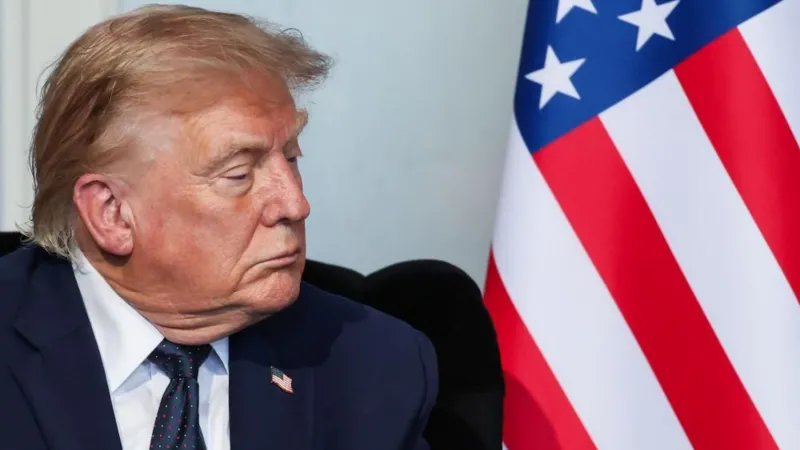
In Washington, D.C., President Donald Trump announced the deployment of Immigration and Customs Enforcement (ICE) agents to various U.S. airports starting Monday, as a response to prolonged security wait times, which have frustrated travelers. As the partial government shutdown continues, the TSA has reported that many of its employees are working without pay. Trump’s insistence on utilizing ICE agents stems from the increased pressure to maintain airport security without the full resources of the TSA.
The President declared that if Democrats did not agree to fund the Department of Homeland Security, he would implement this plan to assist the TSA directly. Hundreds of thousands of homeland security workers, including those at the TSA and Coast Guard, find themselves navigating challenging circumstances as Congress failed to renew funding last month.
Tom Homan, the designated White House border czar, is leading this new initiative and met with a bipartisan group of senators recently to tackle issues surrounding the ongoing shutdown. He emphasized that conversations were still ongoing and that concrete plans would be established shortly.
As the Senate convenes in a rare weekend session, the confirmation of Sen. Markwayne Mullin as the next Homeland Security secretary may provide a new direction amid the turmoil of the current administration. Meanwhile, ICE personnel could potentially take over roles at airports that normally belong to TSA agents, such as monitoring exits or verifying passenger identification before screening. This reduction in TSA responsibilities may help reduce lengthy security queues.
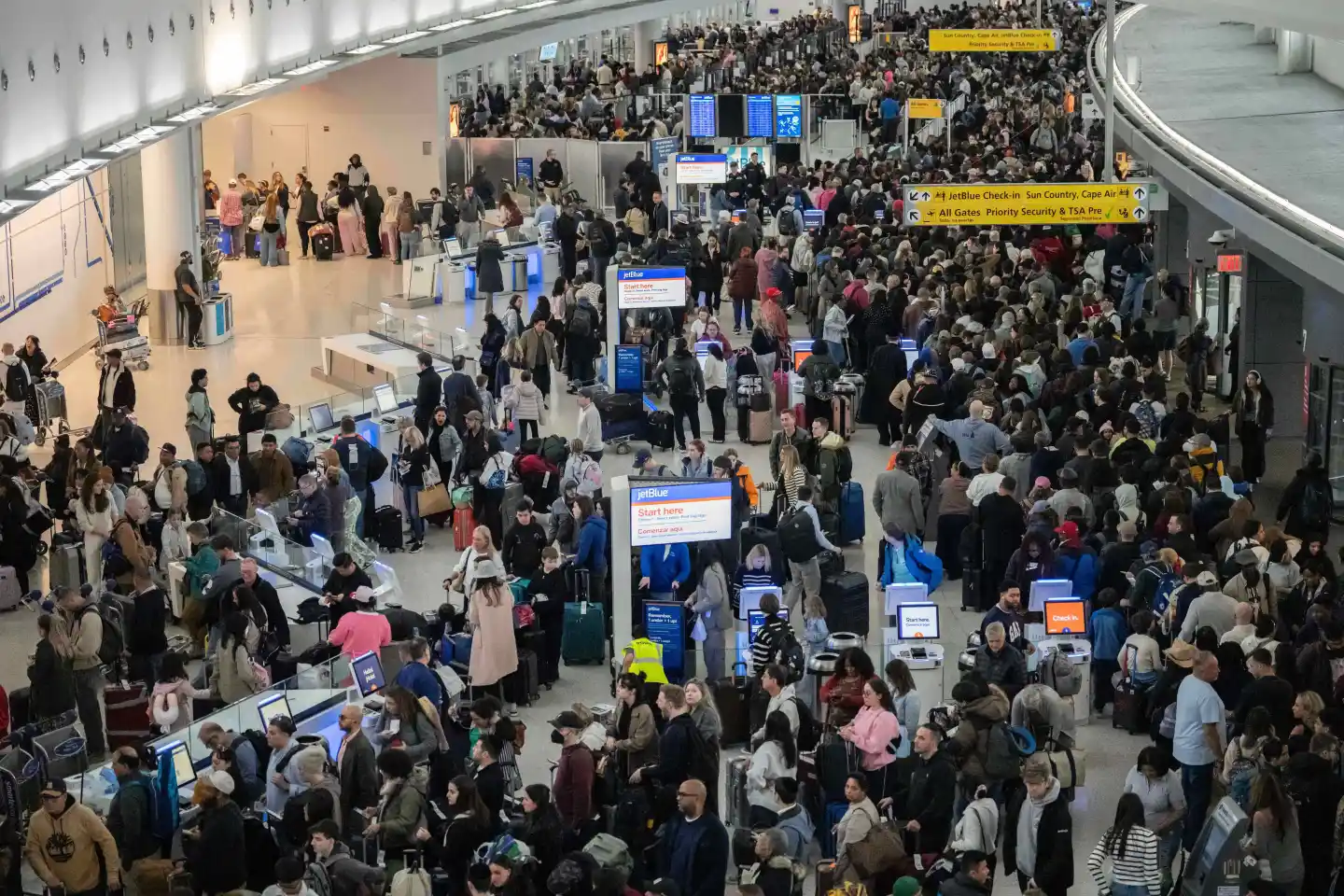
Travelers across major airports report significant congestion, with lines stretching extensively as they await security screenings. The atmosphere appears increasingly chaotic at locations like Atlanta's Hartsfield-Jackson International Airport and New York's JFK International Airport as many hope to catch their flights in time. With uncertainty looming, both TSA and airport officials are working to navigate significant wait variability amidst operational changes.
The President declared that if Democrats did not agree to fund the Department of Homeland Security, he would implement this plan to assist the TSA directly. Hundreds of thousands of homeland security workers, including those at the TSA and Coast Guard, find themselves navigating challenging circumstances as Congress failed to renew funding last month.
Tom Homan, the designated White House border czar, is leading this new initiative and met with a bipartisan group of senators recently to tackle issues surrounding the ongoing shutdown. He emphasized that conversations were still ongoing and that concrete plans would be established shortly.
As the Senate convenes in a rare weekend session, the confirmation of Sen. Markwayne Mullin as the next Homeland Security secretary may provide a new direction amid the turmoil of the current administration. Meanwhile, ICE personnel could potentially take over roles at airports that normally belong to TSA agents, such as monitoring exits or verifying passenger identification before screening. This reduction in TSA responsibilities may help reduce lengthy security queues.
Travelers across major airports report significant congestion, with lines stretching extensively as they await security screenings. The atmosphere appears increasingly chaotic at locations like Atlanta's Hartsfield-Jackson International Airport and New York's JFK International Airport as many hope to catch their flights in time. With uncertainty looming, both TSA and airport officials are working to navigate significant wait variability amidst operational changes.