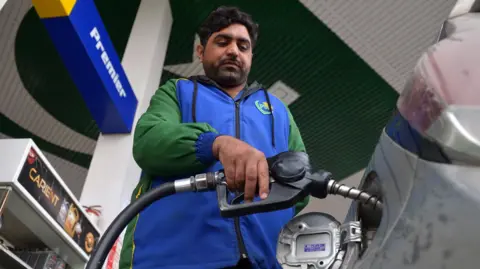
Hundreds of transport workers in the Philippines' capital Manila have gone on strike over rising fuel costs. Diesel and petrol prices have more than doubled since the Iran war broke out on 28 February, forcing the Philippines into a state of national energy emergency.
One 62-year-old driver expressed desperation, indicating he had no food to support his five children and had not received any cash aid from the government.
During this two-day strike initiated on Thursday, a ship carrying over 700,000 barrels of Russian crude oil arrived. President Ferdinand Marcos' administration has been under pressure as the transport sector calls for measures such as scrapping fuel taxes and controlling oil prices.
Protesters, including jeepney drivers, are pushing for fare hikes and wage increases amidst their plight, emphasizing the need for greater government assistance.
Among those striking, some have expressed frustration over government aid they have yet to receive, with many unable to afford basic necessities. As protests continue, commuters in one of Asia's most congested cities feel the effects, facing long queues for limited transport options.
Arnold Irinco, a commuter, emphasized empathy for the drivers' struggles while waiting for a free ride provided by the government. The transport coalition's demands include immediate action on rising fuel prices and better financial support.
The government’s declaration of a national energy emergency aims to stabilize the energy supply, yet it has received criticism from labor coalitions for failing to adequately address the crisis, highlighting concerns over potential anti-worker provisions in emergency measures.
Manuel V. Pangilinan, a business tycoon, supports the emergency powers, indicating the rising energy costs impact business operations as well.