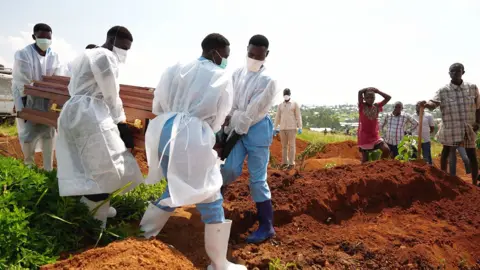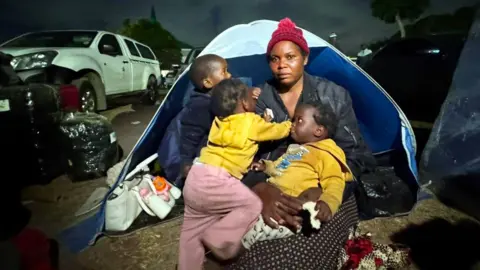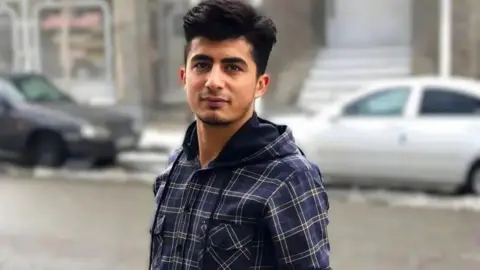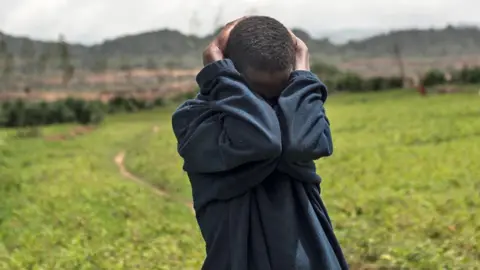
In Plateau state, Nigeria, the conflict between Christian farmers and Muslim herders underscores a tragedy deeply embedded in the nation's identity. On a fateful night in April 2025, Joseph Ize Zino, a youth leader, recalls the harrowing sound of gunfire as gunmen attacked his village Zike, home to the Christian Irigwe ethnic group. The attackers, believed to be ethnic Fulani herders, left 52 dead, fueling claims of a 'genocide' against Christians.
Claims and counterclaims of persecution paint a complex picture of the violence that has engulfed parts of Nigeria over the decades. As farmers and herders compete for limited land resources exacerbated by Nigeria's rising population, tensions have flared. The local government's failure to provide security has fostered a culture of reprisal and fear.
While some local leaders, like Chief Dr. Danladi Akinga Kasuwa, advocate for peace across religious and ethnic lines, many others remain focused on long-standing grievances as competition for land continues. The interplay of politics, ethnicity, and religion complicates any path toward lasting peace in Plateau state, as communities strive to bridge their differences amid ongoing violence and distrust.
There are, however, initiatives aiming to restore harmony. Community-driven projects that bring together farmers and herders are starting to foster unity in a landscape historically marred by conflict. As Abdullahi and Amos, participants in one such initiative, articulate: Peace is a gradual thing that you build and build. The journey toward reconciliation and mutual understanding remains a critical goal as Nigeria grapples with its intricate tapestry of identities.}
Claims and counterclaims of persecution paint a complex picture of the violence that has engulfed parts of Nigeria over the decades. As farmers and herders compete for limited land resources exacerbated by Nigeria's rising population, tensions have flared. The local government's failure to provide security has fostered a culture of reprisal and fear.
While some local leaders, like Chief Dr. Danladi Akinga Kasuwa, advocate for peace across religious and ethnic lines, many others remain focused on long-standing grievances as competition for land continues. The interplay of politics, ethnicity, and religion complicates any path toward lasting peace in Plateau state, as communities strive to bridge their differences amid ongoing violence and distrust.
There are, however, initiatives aiming to restore harmony. Community-driven projects that bring together farmers and herders are starting to foster unity in a landscape historically marred by conflict. As Abdullahi and Amos, participants in one such initiative, articulate: Peace is a gradual thing that you build and build. The journey toward reconciliation and mutual understanding remains a critical goal as Nigeria grapples with its intricate tapestry of identities.}