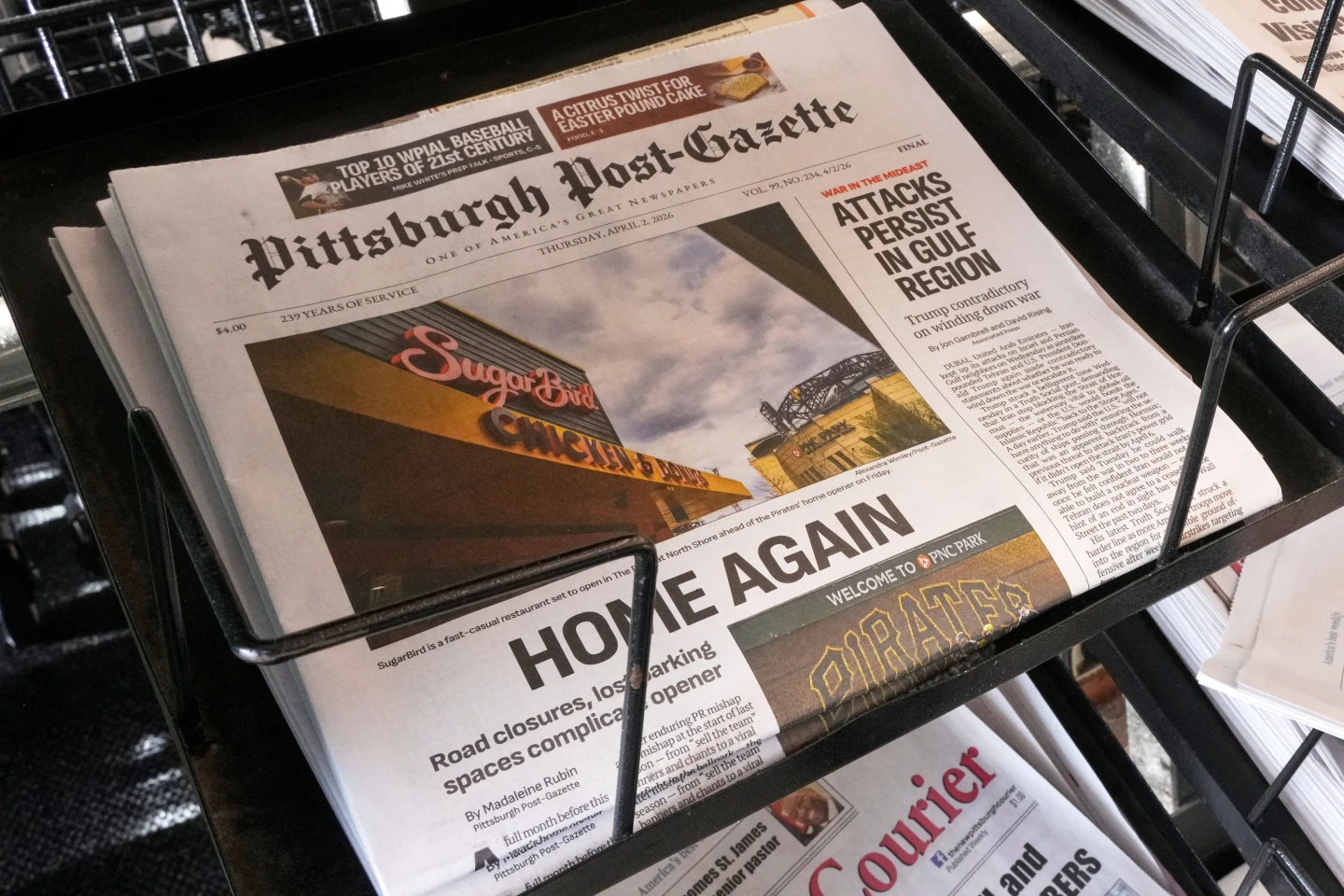
PITTSBURGH (OnPoint) — The spring of 2023 has proven pivotal for Pittsburgh's media scene, marked by a near-disaster followed by a revival. The Pittsburgh Post-Gazette, a publication rooted in the city’s history, was on the verge of closure when it was sold to a nonprofit foundation committed to preserving its operation. Had it shut down, Pittsburgh would have found itself as the largest U.S. city lacking a city-based newspaper.
Just weeks before, the alternative publication, the Pittsburgh City Paper, announced its shocking closure. However, under new management, the City Paper has made a remarkable resurgence, vowing to resume coverages of the community and the arts.
These transformative developments are rare bright spots in an industry that has, for two decades, witnessed its share of closures and staffing cuts. The battle for local journalism in Pittsburgh necessitates a reassessment of what’s essential for its residents.
As Halle Stockton, co-executive director of the digital news outlet Public Source remarked, awakening to the gravity of the media crisis often follows a shake-up.
A Historic Newspaper’s Journey
The Pittsburgh Gazette, established in 1786, underwent numerous transformations before settling on its current name—the Pittsburgh Post-Gazette—99 years ago. Renowned for its journalistic achievements, including a Pulitzer Prize, it has served as the city’s paper of record. The recent years have, however, been marred by conflicts, including staff strikes.
With the Post-Gazette's future in limbo, many hoped for an ownership change to spur revitalization, which came true with the acquisition by the Venetoulis Institute for Local Journalism. The institute's focus on investing in local journalism has generated cautious optimism in Pittsburgh.
The Return of City Paper
On the other side of the media landscape, the City Paper's revival was spearheaded by a new nonprofit framework. The leadership announced plans to reestablish a monthly print edition, drawing from the community's desire for both information and entertainment.
Future Prospects and Challenges
Both outlets now face the significant task of regaining community trust and revitalizing readership as younger generations increasingly turn to social media for news consumption. The Public Source has begun convening discussions to understand community needs and preferences, and the Tribune-Review is also expanding operations in response to the media shifts.
In a landscape fraught with competition and transformation, these developments offer a glimmer of hope. As journalism evolves, collaboration among local entities may become vital to ensuring varied voices are heard and that reliable news coverage is accessible to all.