The scale of Russian losses in its ongoing war against Ukraine has escalated remarkably in recent months, according to a comprehensive analysis by the BBC. The findings suggest that 2025 has witnessed the highest casualty figures since the full-scale invasion commenced in 2022. This troubling trend occurs in conjunction with renewed peace negotiations led by the Biden administration, heightening scrutiny on Moscow's military commitments.
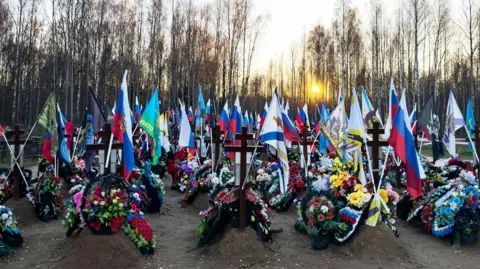
Compelling evidence indicates that the publication of obituaries for deceased soldiers on Russian platforms has surged by approximately 40% compared to the previous year. Cumulatively, the BBC has verified nearly 160,000 deaths among Russian forces, a statistic that is anticipated to reflect an egregious undercount.
Notably, military analysts suggest that the actual death toll may encompass between 243,000 and 352,000 fatalities, incorporating a wider range of reported losses, including those confirmed through cemetery records, memorials, and social media engagement.
The recent months have also displayed fluctuations in casualty reports, with a significant escalation recorded around the time of pivotal talks between Presidents Donald Trump and Vladimir Putin aimed at ceasing hostilities. By October 2025, the number of obituaries printed daily soared to an average of 322, a stark increase from 2024 figures.
As Russia explores peace strategies, it remains entrenched in a narrative of territorial advancement, with President Putin's aides highlighting recent military 'successes' as a negotiation tactic. The upsurge in fatalities has brought to light concerning practices regarding recruitment, particularly involving individuals previously incarcerated and seeking to exchange military service for liberty.
A case in point is Murat Mukashev, an activist who was sentenced to ten years in prison only to later volunteer for service in hopes of gaining an early release. Tragically, he lost his life in battle mere months after recruitment. This is indicative of a broader trend where those compelled to join the military are increasingly representing the front line as casualties surge amidst a battlefield landscape that remains unforgiving.
The Kremlin faces the challenge of maintaining steady recruitment without resorting to widespread conscription, utilizing financial incentives and targeted campaigns to draw new soldiers into service. Reports indicate that approximately 336,000 recruits signed up within the year, even as casualty rates remain distressingly high. This persistent trend raises questions about the long-term viability of military engagements for Russia amid ongoing international scrutiny.
As the situation continues to evolve, the interplay between military losses and diplomatic routes raises critical questions regarding the future stability of the region and the potential for enduring peace.