Over the past 10 months, Russian losses in the war with Ukraine have been growing faster than any time since the start of the full-scale invasion in 2022, BBC analysis suggests.
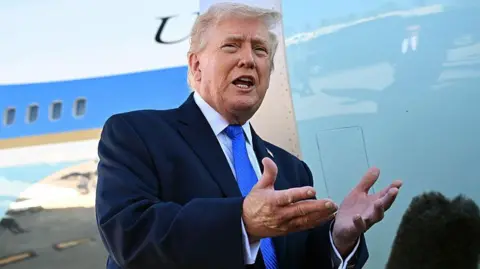
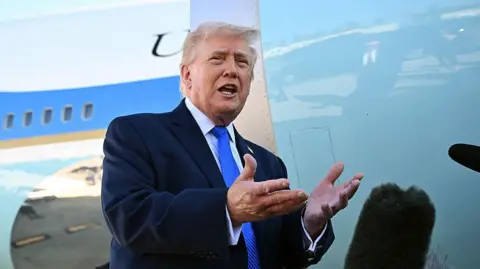
As peace efforts intensified in 2025 under pressure from US President Donald Trump's administration, 40% more obituaries of soldiers were published in Russian sources compared with the previous year.
Overall, the BBC has confirmed the names of almost 160,000 people killed fighting on Russia's side in Ukraine.
The BBC counts Russian war losses in collaboration with independent outlet Mediazona and volunteers since February 2022. We compile a list of named individuals whose deaths we could corroborate via official reports, newspapers, social media, and newly found memorials and graves.
The real death toll is thought to be much higher, as military experts believe our analysis might represent 45-65% of total losses.
This could imply that Russian deaths number between 243,000 and 352,000.
Published obituaries provide an initial estimate of confirmed military losses, with some requiring further verification. However, they serve as a gauge of the shifting intensity of combat.
As 2025 began, a lesser amount of obituaries appeared in January, which then spiked in February when Trump and Russian President Vladimir Putin held their first talks about potentially ending the war in Ukraine.
The next surge in obituaries occurred in August during a notable meeting in Alaska between the two leaders, seen as a diplomatic victory for Putin.
In October and November, as the second summit with the U.S. was canceled and a 28-point peace proposal was presented, the daily obituary count averaged 322—double that of the previous year.
Factors contributing to increased Russian casualties vary, but the Kremlin believes that territorial gains could influence negotiations favorably, with Putin's aide noting that recent military successes had positive implications.
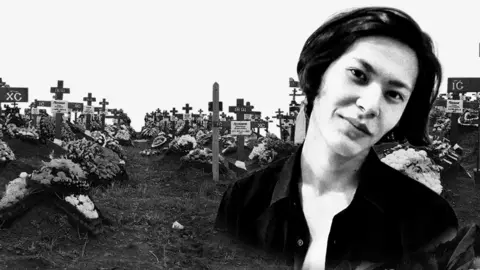
Murat Mukashev, who gambled on the prospect of a quick peace deal, paid the ultimate price. An activist opposed to Putin's regime, he had participated in protests against police brutality and for human rights.
Condemning the invasion of Ukraine on social media from the inception of the war, Mukashev faced charges of drug trafficking in early 2024. While in detention, he was offered a choice by the defense ministry to enlist as a way out; he initially rejected but later enlisted in a bid for early release.
On June 11, 2025, Mukashev was killed during an operation in Kharkiv. Tragically, the data reveals that most Russians falling at the front in 2025 had little to no military experience at the start of the conflict.
Since the fierce battle of Avdiivka in October 2023, casualties among newly-formed 'volunteers' have grown. Traditionally, only 15% of military deaths were from this group, but by 2025 they represented one-third of the losses.
Local authorities have been incentivizing new recruits through lucrative offers, especially targeting those with debts or financial struggles, thus enabling the Kremlin to compensate for heavy losses without formally mobilizing the public.
By October, more than 336,000 individuals had enlisted, and NATO analysts indicate that while Russian fatalities are steep, recruitment continues to outpace the death toll.
Estimates of fatalities from NATO cite around 250,000, consistent with BBC's findings, though our reports do not include militia deaths from occupied regions in Ukraine, accounting for thousands more.
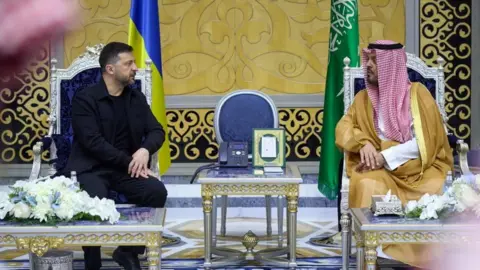
Ukrainian losses have also been significant, with President Zelensky reporting around 46,000 dead, alongside numerous wounded and missing soldiers, potentially totaling up to 140,000 fatalities. The continuation of this war raises grave humanitarian concerns amid the glaring statistics emerging from the conflict.