Sir Wicknell Chivayo: The Charismatic Tycoon Who Sparked a Nation’s Debate
A life that began in a cramped council house in Zimbabwe’s capital turned into a whirlwind of wealth, excess and controversy. Wicknell Chivayo—self‑styled “Sir Wicknell”—died last week in a helicopter crash that also claimed his wife, Lucy Muteke, a death that has left the nation in mourning and scrutiny alike.
Chivayo’s rise was as dramatic as it was opaque. After dropping out of school at 15, he worked as a bus wages clerk before turning to black‑market currency trading and mobile‑phone sales. He was jailed for five years in 2005 on money‑laundering charges, yet after release he entered the energy sector, building the company Intratrek Zimbabwe with Chinese partner CHiNT Electric. The partnership won a $170m solar contract for Gwanda that never materialised, sparking accusations that he used the project as a “briefcase company” to siphon funds and curry favour with President Emmerson Mnangagwa.
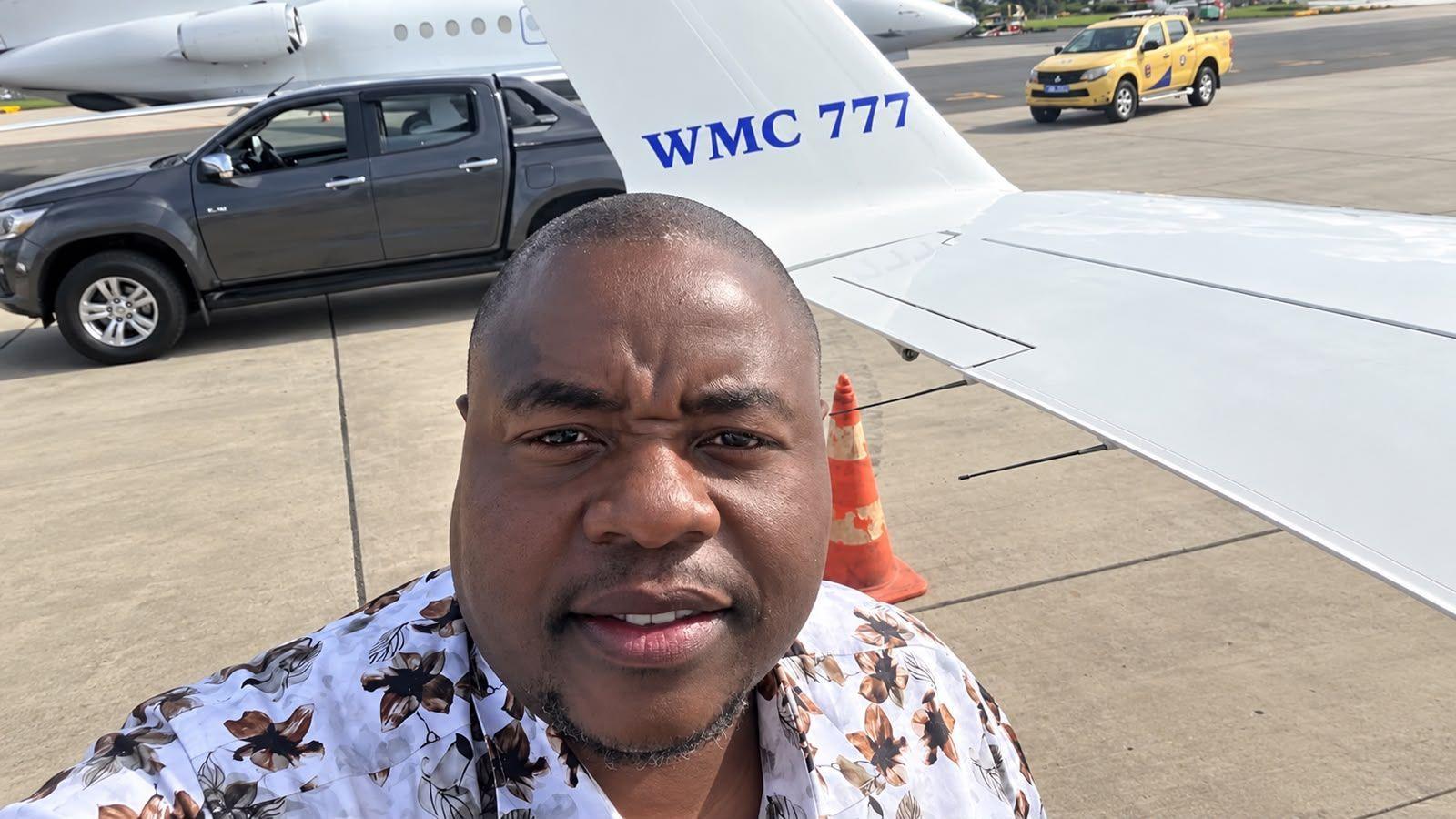
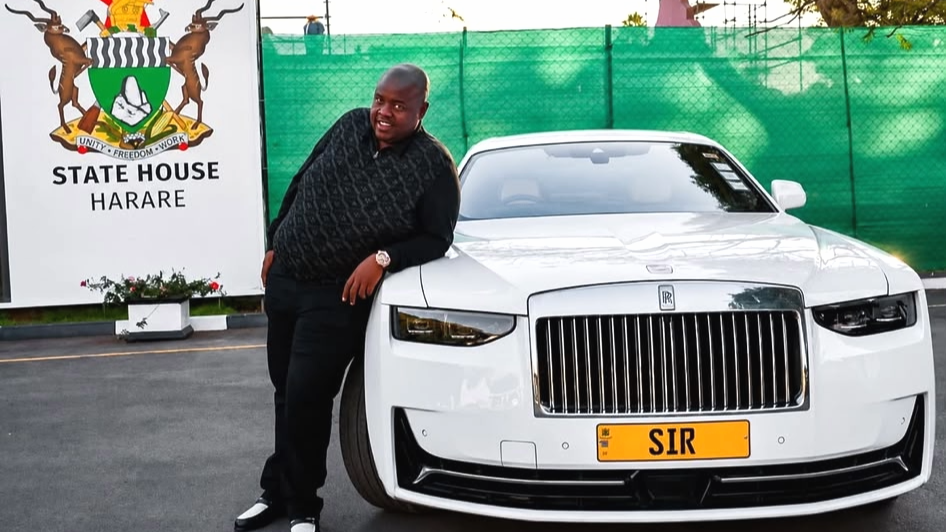
Away from the courtroom, the tycoon became a social‑media fixture. His posts showcased personalised Rolls‑Royces, opulent watches, designer shoes, and lavish sunsets with heads of state. Viewers were spellbound by photo‑ops with leaders from Mozambique to Kenya, and by his extravagant giveaways—luxury cars to politicians, cash to musicians and the heads of religious groups, and even ambulances for Zimbabwe’s beleaguered public health system.
The generosity was not without a cost. Critics questioned whether his gifts were a form of bribery supporting the Zanu‑PF party and argued that his wealth was built on shaky contracts and questionable lobbying. When his name emerged in parliamentary inquiries, some officials admitted he’d used influence to maximise deals. Some of his most famous clients, including Zanu‑PF figure Bishop Nehemiah Mutendi, refused to label his contributions as “dirty”, a sentiment echoed by veteran musician Thomas Mapfumo, who turned down Chivayo’s offers only to later accept money for a performance.
Within Zimbabwe’s political soil, the elite’s response was mixed. Party leaders poured tributes; some conservative voices downplayed his philanthropy as political charades. Across the continent, people celebrated his death as a sign of the next chapter in African leadership, while Kenyan bloggers seized the moment to question his ties to President William Ruto.
Legacy and unanswered questions
Beyond public occasions, Chivayo was known to visit friends and beneficiaries in person—for instance, a sick lawyer in Dubai—though many of his charitable acts were staged for viral visibility. He was still embroiled in a divorce settlement with his first wife, Sonja Madzikanda, as he built a $1m mansion in Gandami in anticipation of his birthday in November.
Zimbabwean society now faces an unresolved puzzle: a man who embodied immense wealth yet clung to a persona of public generosity, and whose death has amplified the debate over national inequality, corruption, and accountability. The debate will continue as the government, media, and ordinary citizens dig for answers about how this unlikely figure acquired a fortune in a country where half the population lives below the poverty line.