Nurses Hike to Amish Communities to Beat Measles Spread
By Madeline Halpert
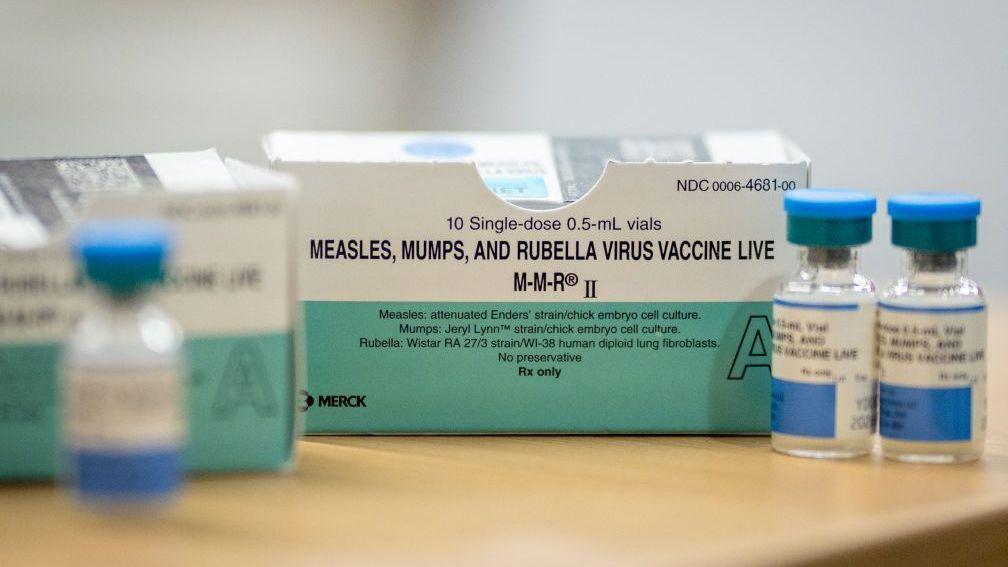
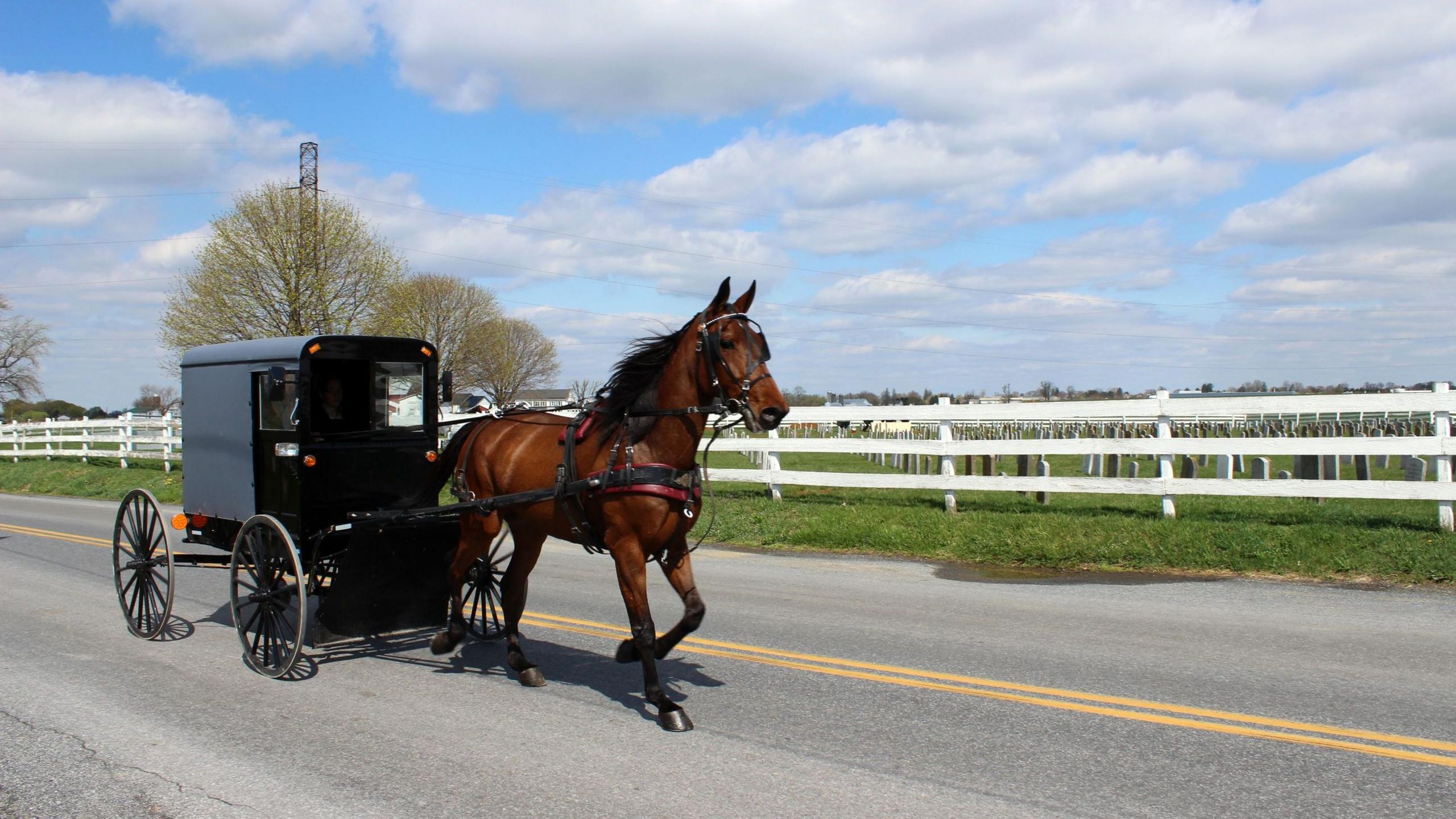
For the past few months, nurse Dale Weiser has been criss‑crossing a 30‑mile radius of Lancaster County, Pennsylvania, to offer measles, mumps and rubella (MMR) vaccines in Amish homes. In a community that relies on horse and buggy travel and has minimal contact with modern medical services, the measles outbreak – the deadliest in the United States in more than twenty years – has left residents feeling both fear‑ridden and skeptical of vaccination advice.

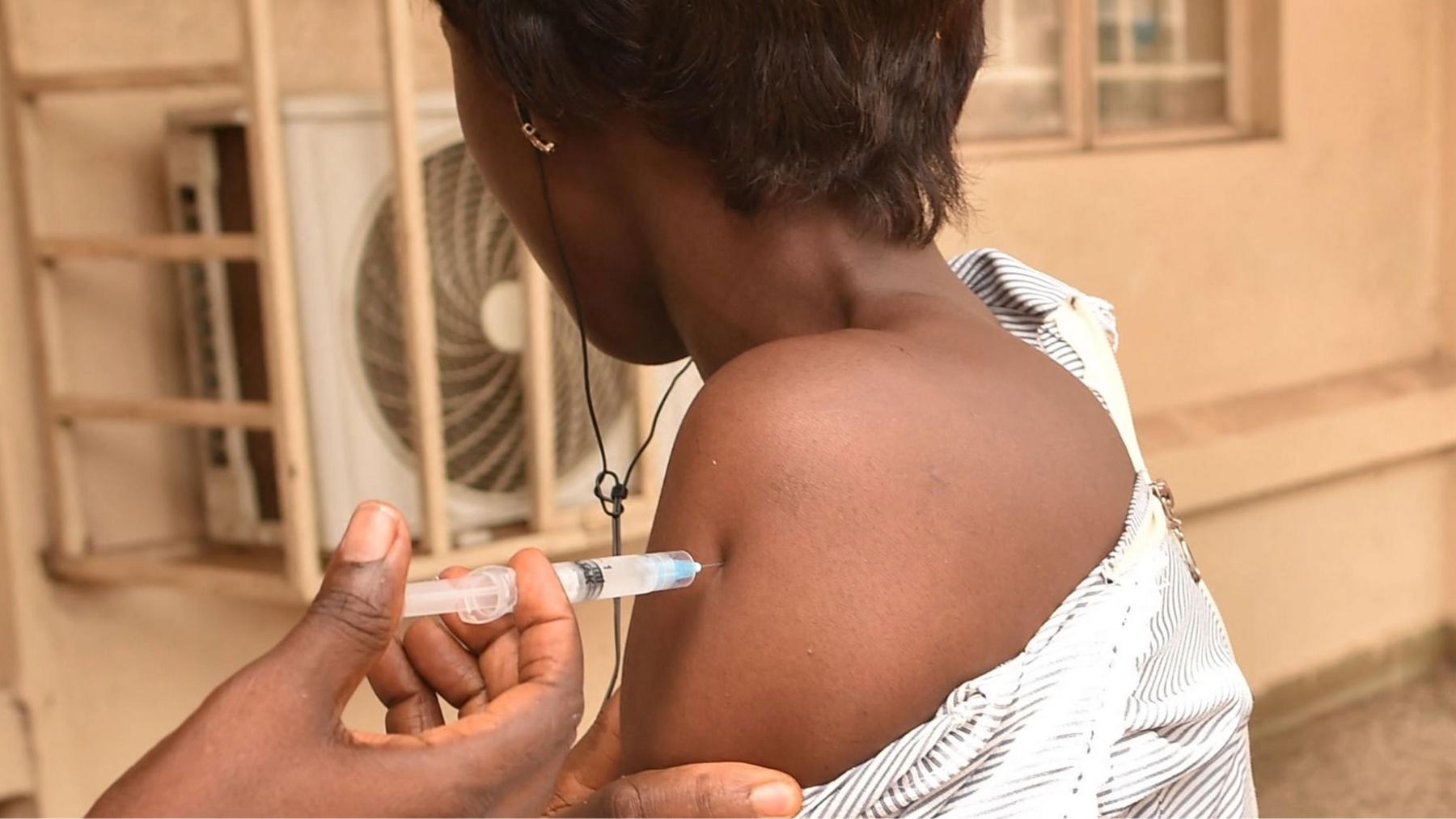
Weiser drives daily to the ranches in the Amish heartland, finding space at kitchen tables or in living rooms to give the shots. Her goal is to “put the vaccine where it’s needed,” she says, noting that many Amish people lack health insurance and simply have not had the chance to receive the MMR vaccine.
The state health department has administered almost 4,300 MMR shots at pop‑up clinics but has reported four deaths linked to measles complications. The outbreak, which began in late April, highlights the vulnerabilities of an isolated demographic and the power of community‑driven outreach.
Amish residents, while not wholly opposed to vaccines, often find asking the “right question” impossible because of limited internet access or because the language of medical risk feels alien. Some still fear that the shot contains heavy metals or even a micro‑chip, reflecting misinformation that has seeped into even this remote community.
Local officials describe the door‑to‑door approach as a way to dismantle myths and foster trust. "People are afraid because they see loved ones get sick," Weiser says, "so we bring the vaccine to them, not ask them to come to us."
The initiative is part of a broader strategy that includes private home vaccinations and community messaging, echoing tactics used during the COVID pandemic. "If you can come to us, that’s easier," chief health officer Jeanne Franklin notes. A total of 538 MMR vaccines were given in private settings, and 340 of those in Amish households.
Political tensions have returned to the surface, with President Johnson’s comments about vaccine safety fueling debate among state and federal agencies. Governor Shapiro has publicly warned that misleading messaging from health officials could mount a larger outbreak. In this environment, the nursing outreach remains a quiet but powerful counter‑measure aimed at halting the spread.
Health experts say that while the situation may persist for another six to twelve months, the door‑to‑door strategy shows promise. "We’re in community transmission now. We can’t stop it easily," Weiser cautions. "But with trusted hands at home, we’re making progress in a resistant population."