In brief
The eastern imperial eagle Feliks, once captured by poachers in Syria, survived months in captivity before being rescued by Serbian conservationists and military forces. Negotiations stretched for weeks, with poachers demanding a ransom that the international community refused to support. Feliks recuperated in a Beirut wildlife centre before a Serbian military transport plane brought him back to Serbia for final recovery at Palic Zoo. After careful rehabilitation, Feliks was released into the wild, with experts planning close monitoring to ensure his adaptation to natural habitats.
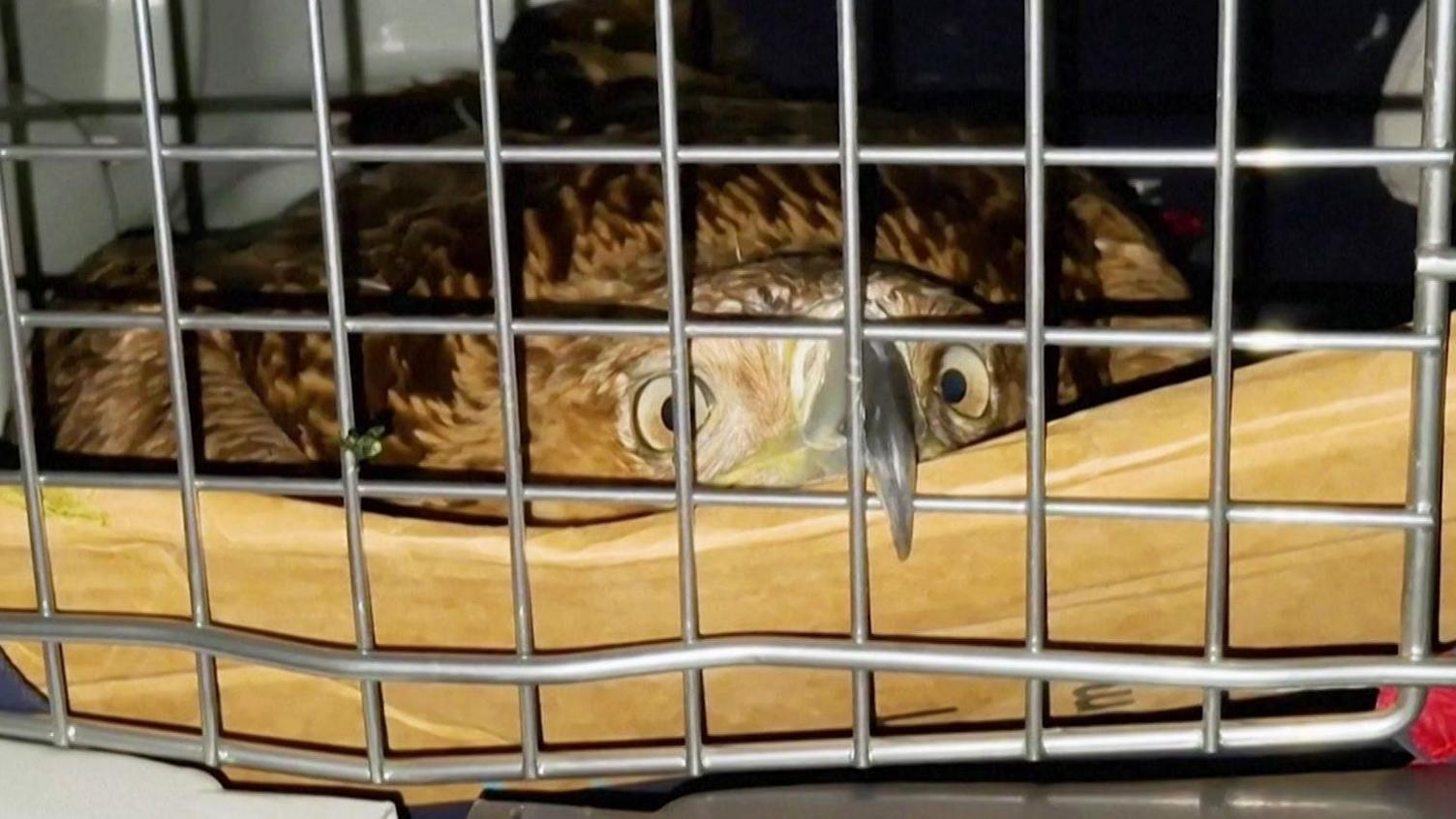
A rare eastern imperial eagle, Feliks, was kidnapped by poachers in Syria after leaving his nest last year. The traffickers demanded a ransom for the bird, a request that was refused by both national and international conservation groups.
Following a protracted negotiation that spanned several weeks, qualifying capture efforts were organized. Feliks was then transported to a wildlife centre in Beirut, where he stayed for over six months recovering from the trauma of captivity.
As part of his rehabilitation, Serbian peacekeepers arranged for Feliks to be flown on a military plane back to Serbia. He arrived at Palic Zoo exhausted but alive, where veterinary staff monitored his health every day.

After thirty‑plus days of careful conditioning in the zoo shelter, Feliks was released on Thursday. Wildlife authorities will oversee him closely in the following weeks to ensure his successful integration back into the wild.
The story underscores the ongoing threat posed by wildlife trafficking and the critical role of international cooperation in protecting endangered species. With conservation efforts increasing tenfold in Serbia since 2017, Feliks’s release is a powerful testament to the resilience of nature and the determination of those who safeguard it.