As gas prices reach new heights due to conflicts and market volatility, drivers like Junelle Lewis are finding relief at tribal gas stations. Lewis traveled to the Tulalip Reservation in Washington, where prices at the pump were nearly a dollar lower than in her local area.
Gas is ridiculous. I've found that this gas station is cheaper than many around here, said Lewis, filling up her Chevrolet Suburban. This sentiment is echoed across the nation, where many consumers are now using apps to locate the best fueling options, often leading them to Native American reservations.
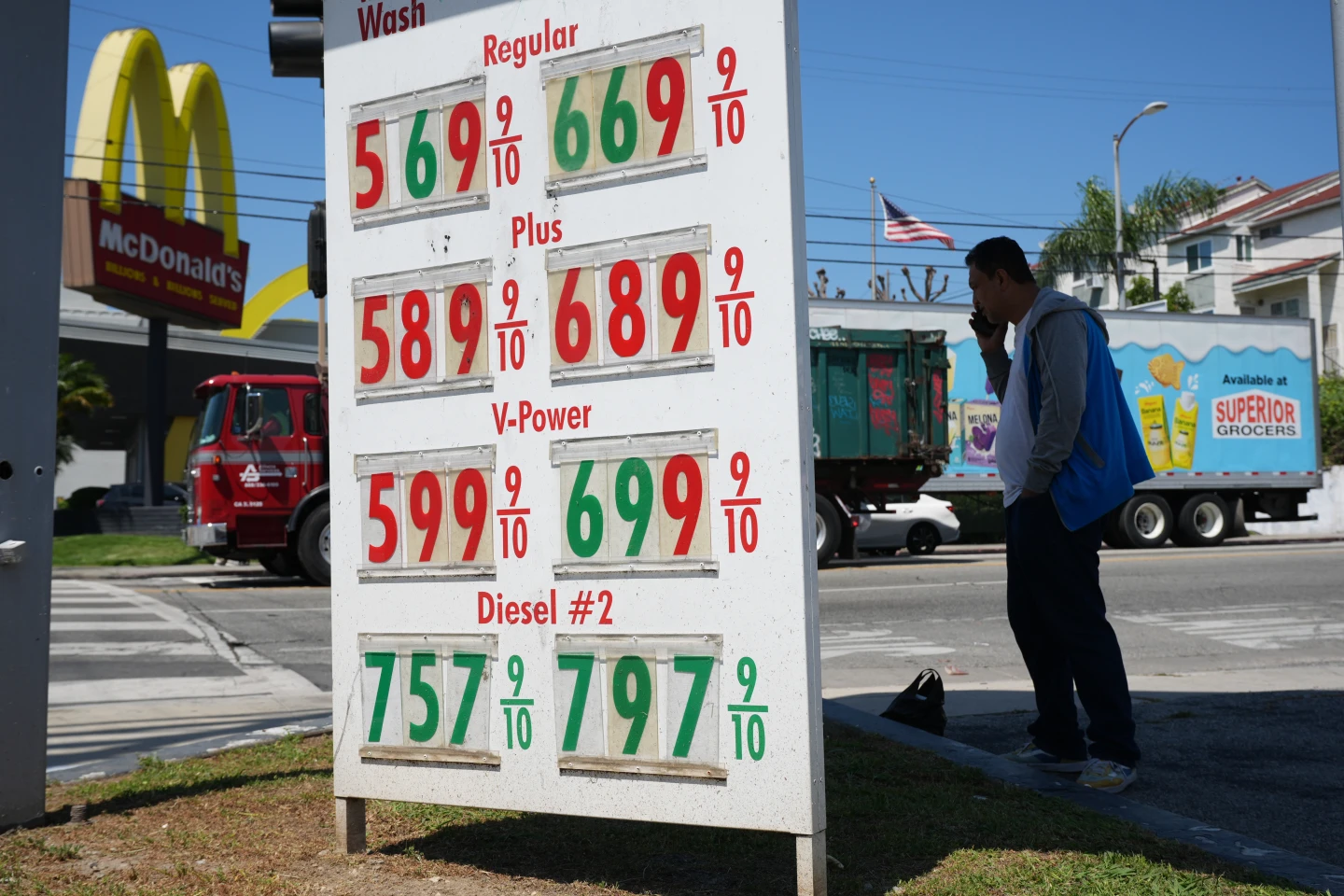
Across the U.S., tribal gas stations enjoy tax exemptions, enabling them to sell fuel at a significantly lower price—sometimes over 75 cents a gallon cheaper than neighboring stations. This pricing strategy, particularly evident in states like California, New Mexico, and New York, creates a financial oasis for drivers in search of affordability amid rising fuel costs.
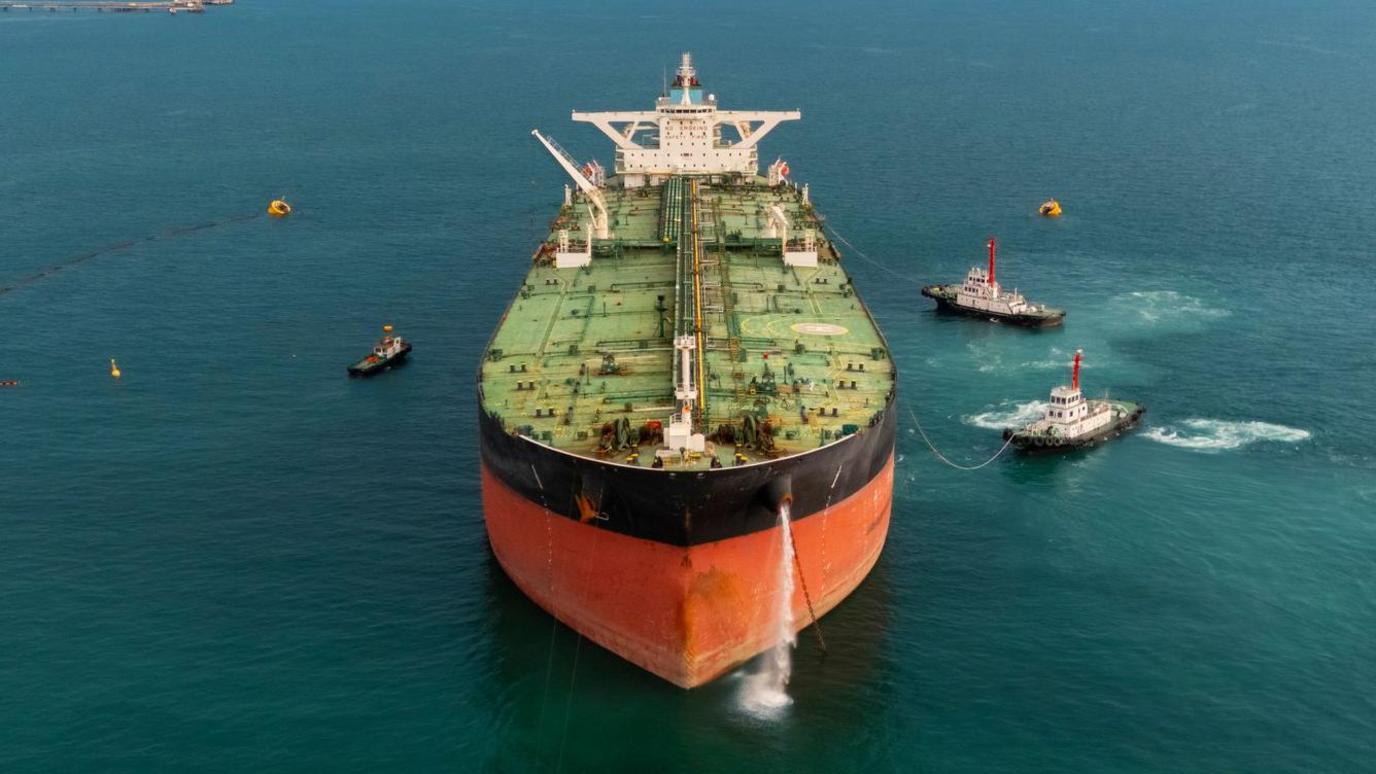
The reliance on tribal stations has escalated since the Iran war began on February 28, pushing national average gas prices above $4.15 a gallon, a steep increase from previous months. With predictions suggesting that prices may rise further, many consumers feel compelled to search for savings wherever possible.
As Jamie Cross from New Mexico explained, her regular stops at the Mescalero Apache Reservation often lead to her finding gas for as low as $3.79 a gallon.
Tribal tax exemptions stem from a long-standing legal precedent that limits states' authority to tax Native American lands. This legal foundation allows tribes to sell gasoline at reduced costs, offering significant savings to consumers while also supporting tribal communities through reinvestments in essential services such as healthcare and education.
Convenience stores and gas stations on tribal lands serve not only as fuel vendors but also as critical suppliers of groceries, household goods, and community resources, contributing to the economic vitality of Native American reservations. As evidenced by the experiences of locals like Mark Foster and Todd Hall, these stations offer competitive pricing while fostering a sense of community partnership.
This dual benefit—affordability for customers and revenue for tribes—illustrates the important role that tribal gas stations play in the current economic landscape, especially amidst the volatility of global markets and local fuel prices.