According to a new global analysis, nearly seven million cancer cases could be prevented each year. This alarming statistic highlights the potential of addressing preventable factors that contribute to cancer risk.
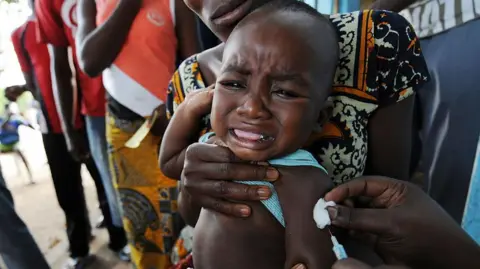
A report by the World Health Organization (WHO) reveals that 37% of cancers are attributed to infections, lifestyle choices, and environmental pollutants. Researchers stress this includes conditions like cervical cancer linked to human papilloma virus (HPV), which can be prevented through vaccination, as well as various types of tumors caused by tobacco smoke.
Dr. Isabelle Soerjomataram, a researcher involved in the study, emphasized the “powerful opportunity” presented by these findings to change the lives of millions affected by cancer.
The WHO's International Agency for Research on Cancer analyzed 30 risk factors known to increase cancer susceptibility. Key culprits include smoking—accountable for 3.3 million cancers annually—followed by infections and alcohol consumption, which account for 2.3 million and 700,000 cancers, respectively.
Dr. Soerjomataram pointed out that some cancers are inevitable due to aging and genetic predispositions; however, nearly 40% can be prevented, a statistic that often surprises the public.
The disparities in cancer risks between genders are stark; 45% of men’s cancers are preventable, compared to 30% for women, partially due to higher smoking rates among men. In Europe, women’s leading preventable cancer risks are linked to smoking and infections.
This necessitates a tailored approach for cancer prevention strategies worldwide, as regions exhibit different risk factors. For example, in sub-Saharan Africa, infections dominate cancer causes, especially in women.
The comprehensive report, published in *Nature Medicine*, indicates a substantial impact could be made by focusing on infectious causes of cancer alongside environmental and behavioral risks. Addressing these preventable factors could substantially reduce the global cancer burden.
Dr. Andre Ilbawi, from the WHO, noted the positive implications of the study, pointing to successful public health initiatives in countries that combat smoking and promote HPV vaccination.
The report ultimately underscores the critical need for policies and actions to reduce preventable cancer incidence, aiming towards minimizing these figures closer to zero.