Groundbreaking Report Reveals Seven Million Preventable Cancers Annually
A new analysis from WHO scientists indicates that seven million cancer cases each year could be avoided through lifestyle changes, vaccinations, and environmental improvements.
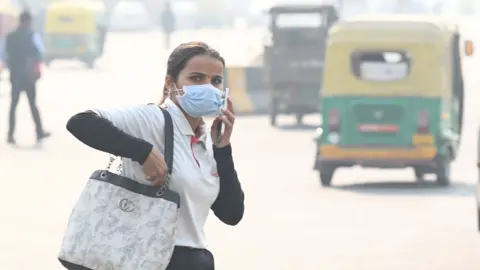
The World Health Organization's recent report reveals that nearly 37% of all cancers are attributed to factors such as infections, lifestyle choices, and environmental pollutants that can be mitigated. The findings highlight the alarming potential to prevent seven million cases of cancer per year.
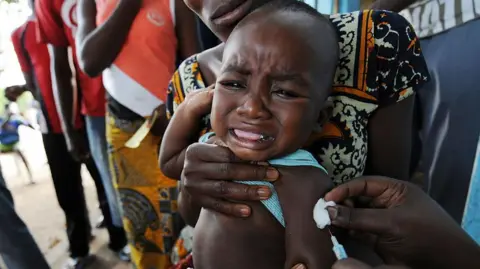
Researchers emphasized the preventable nature of cervical cancers, significantly linked to human papillomavirus (HPV) infections, which can be thwarted through vaccination. Notably, tobacco use remains a primary driver for various types of tumors.
Dr. Isabelle Soerjomataram, one of the researchers, underscored that nearly four out of ten cancer cases being preventable is a considerable statistic. The analysis reviewed data from 2022 concerning thirty identified risk factors influencing cancer occurrence, spanning 185 countries.
Prominent contributors to the global cancer burden include tobacco use (responsible for 3.3 million cases), infections (2.3 million cases), and alcohol consumption (leading to approximately 700,000 cancers). However, the study found that the percentage of preventable cancers varies by sex and geographic region.
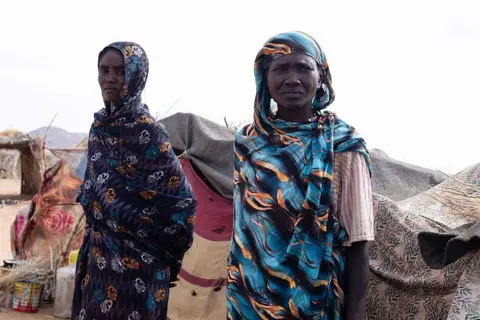
In Europe, smoking and infections significantly contribute to cancer cases among women, while in sub-Saharan Africa, infections account for nearly 80% of preventable cancers. This suggests that regional disparities must be addressed when implementing cancer prevention strategies.
The report, published in the journal Nature Medicine, presents a comprehensive assessment of preventable cancers worldwide, considering infectious causes alongside behavioral and environmental risks.
Dr. Andre Ilbawi of WHO stated that this research is "good news," indicating actionable measures exist, and points to historical successes in cancer prevention strategies that could be scaled to reduce global cancer rates further.