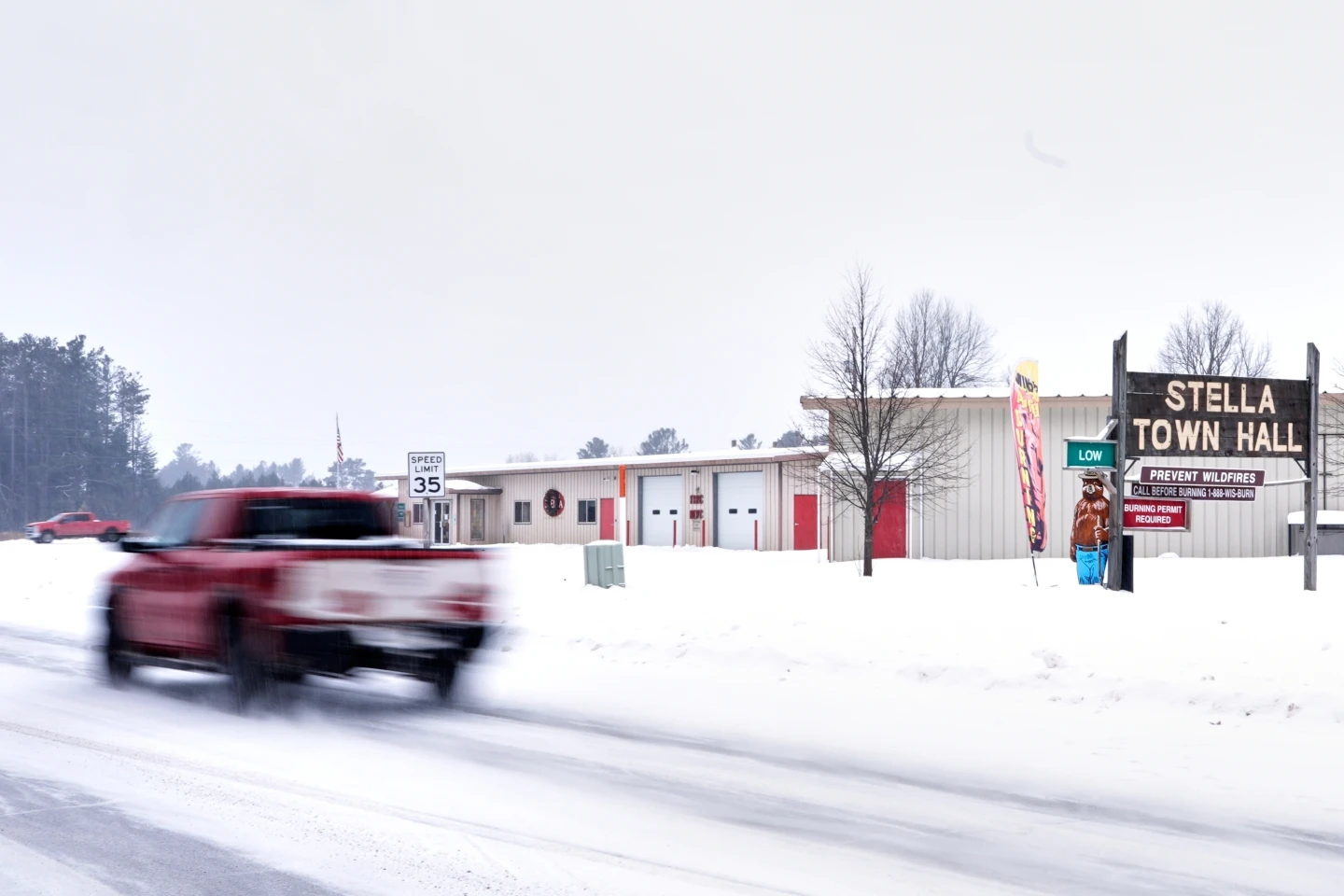
STELLA, Wis. — Approximately 40 million Americans rely on private wells for their drinking water, yet many are unaware of the dangers posed by harmful forever chemicals, known scientifically as PFAS. These chemicals, resilient to decomposition and linked to serious health risks such as cancer and developmental delays, often contaminate water supplies without the knowledge of the well owners.
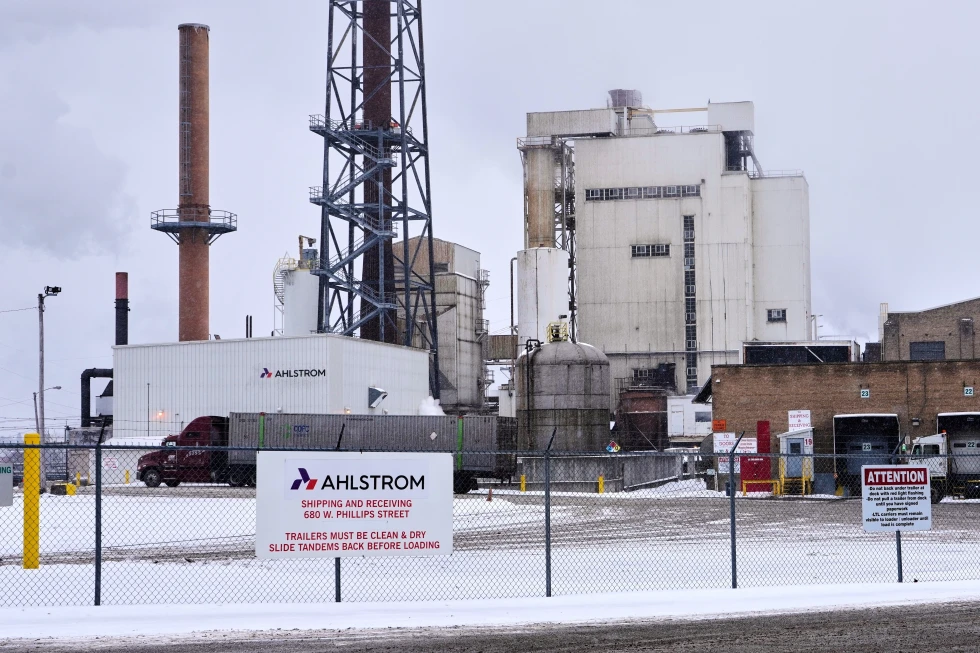
The federal government mandates stringent testing and limits for PFAS in publicly supplied water, but these regulations do not extend to private wells. Residents near industrial sites are frequently left in the dark about their water safety and face lengthy processes to rectify contamination issues.
Because restoring safe water for well owners can only be done on a household basis, many affected individuals find themselves stranded while legal disputes and negotiations ensue among corporations, regulators, and communities. Reports from places like Peshtigo, Wisconsin, reveal that unequal assistance leads to some households receiving help while their neighbors do not.
The difficulty in maintaining safe water numbers is compounded by ineffective state regulations. In at least 20 states, testing for PFAS is not routinely conducted, even in potentially hazardous areas, and in many cases, well owners are absent from notifications regarding hazardous nearby activity. Conversely, places like Michigan have adopted proactive measures to offer testing and assistance to residents near known contamination points.
Moreover, the experiences of communities grappling with PFAS contamination highlight the emotional impact on residents. For example, in a small Wisconsin community, shocking levels of PFAS in local wells led to widespread concern and years of worry over potential health implications.
This investigation exposes the critical need for national regulations to protect private well owners from such public health threats, demonstrating that the freedom afforded by independent water sources can quickly turn into a liability during crises.