STELLA, Wis. — In a serene farming community surrounded by pristine landscapes, a quiet decision by resident Kristen Hanneman set off a chain reaction poised to unravel the lives of many. Accepting an offer for testing her well water in 2022, she discovered her household was one of many contaminated with harmful per- and polyfluoroalkyl substances (PFAS), a family of 'forever chemicals' that are notoriously stubborn and hazardous.
Months following the initial tests, state toxicologists instructed Hanneman to stop drinking the water immediately; the PFAS levels were found to be thousands of times higher than federal safety limits.
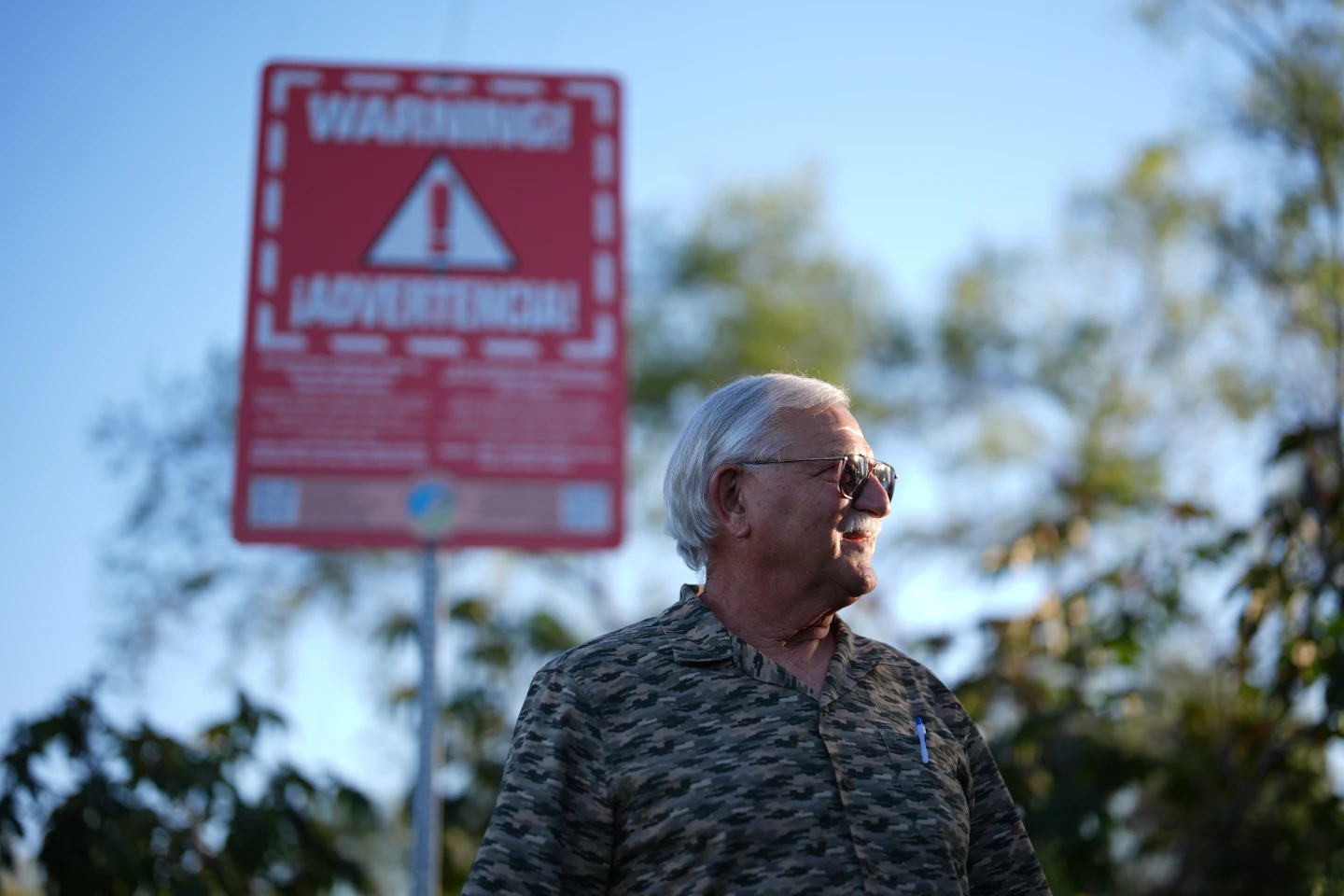
The repercussions of this revelation extend well beyond individual households, as Stella's scenic lakes and forests have transformed into a warning: local wildlife, including fish and deer, are now deemed unsafe for consumption.
For the residents of Stella, selling homes has become increasingly difficult as a result of this crisis. “Had I just thrown that survey in the garbage,” Hanneman wonders aloud, “would any of this be where it is today?”
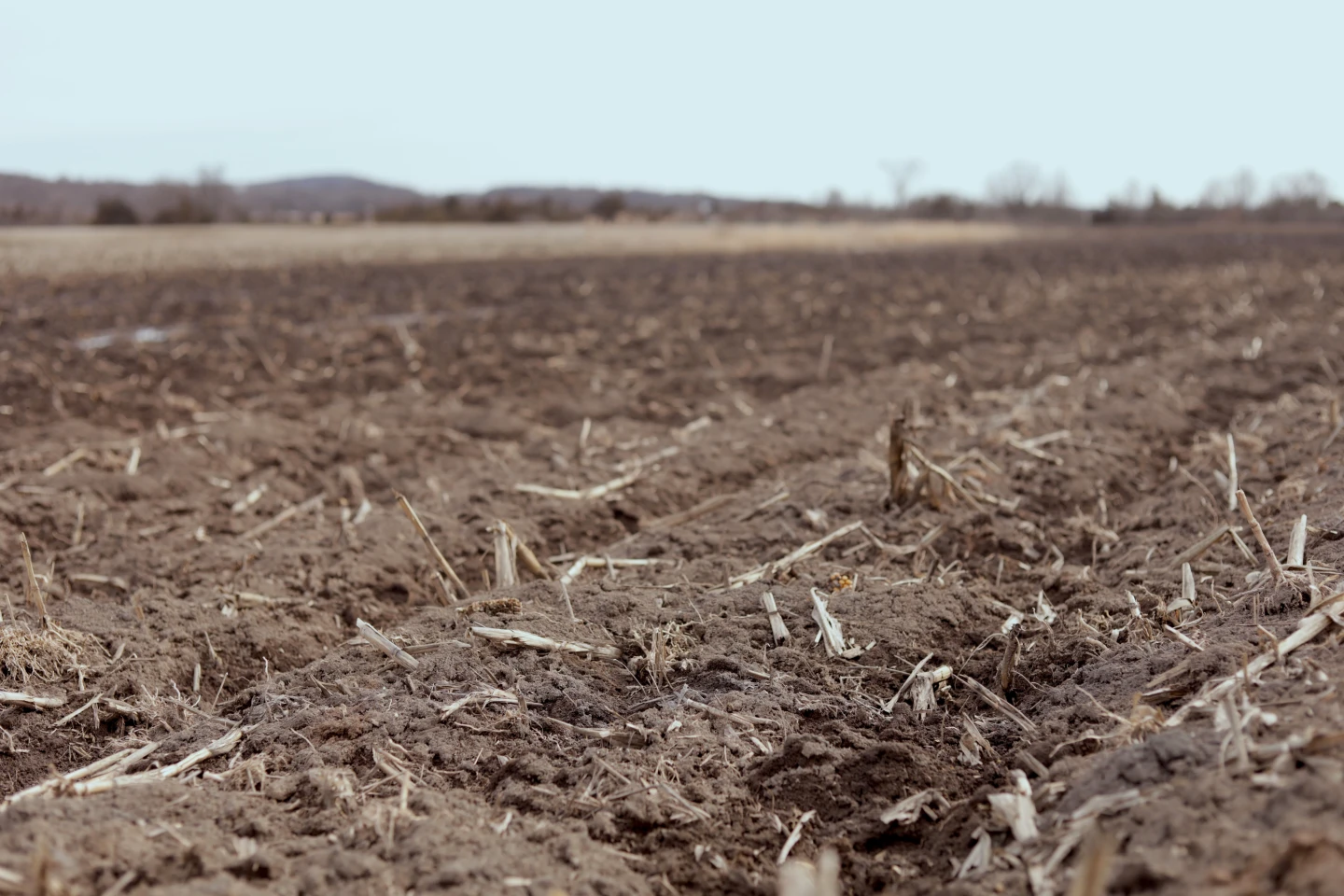
Initially, the contamination's origins were murky. Officials speculate that the nearby Ahlstrom paper mill—a facility previously used to create microwave popcorn packaging—may have contributed to the PFAS pollution after spreading treated sludge on farmland in the region for decades. Amidst growing concerns, state officials have turned to the mill for accountability.
Despite attempts to take action, previous and current owners of the mill cite state approvals as their defense, arguing compliance with historical regulations surrounding the use of sludge fertilizers.
Families are left grappling with uncertainty and fear for their health amidst conflicting information. Environmental lawyer Robert Bilott notes that many states lack robust funding to provide necessary support. The well owners— the victims of the contamination— shouldn’t have to be paying,” he argues, as communities like Stella band together to address the growing concerns.
Efforts to clean up contaminated environments pitted state officials and residents against corporations like Chemours Company, which has faced backlash for PFAS contamination in North Carolina. The struggles underscore a nationwide issue where many well owners may be oblivious to the hidden dangers lurking in their own water supply.
As the crisis unfolds, local legislative measures and community actions are striving to ensure safety for residents in the long-term future.
In this battle against the unseen threat of PFAS, the people of Stella continue to stand firm, advocating for transparency and protection in their right to clean and safe drinking water.