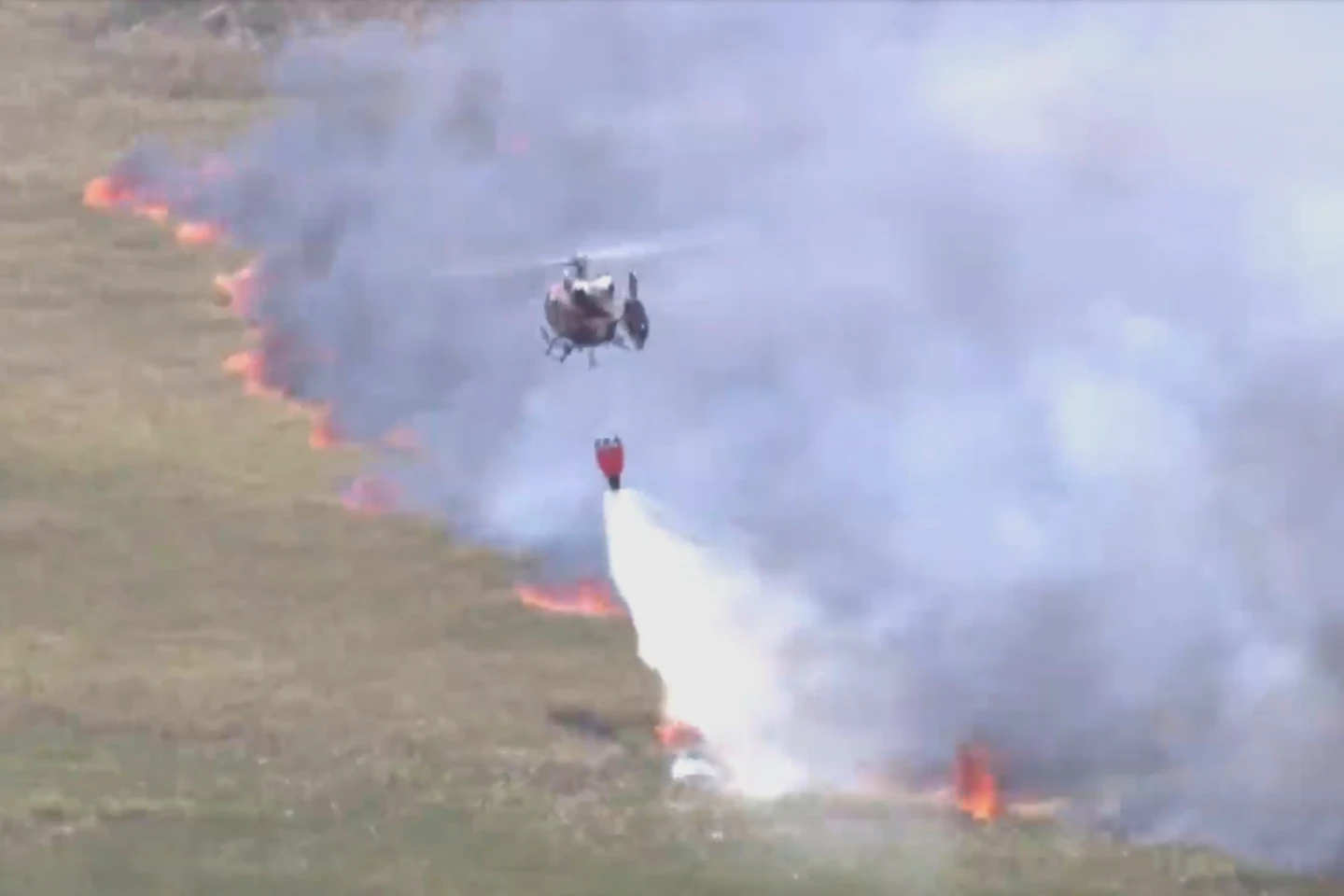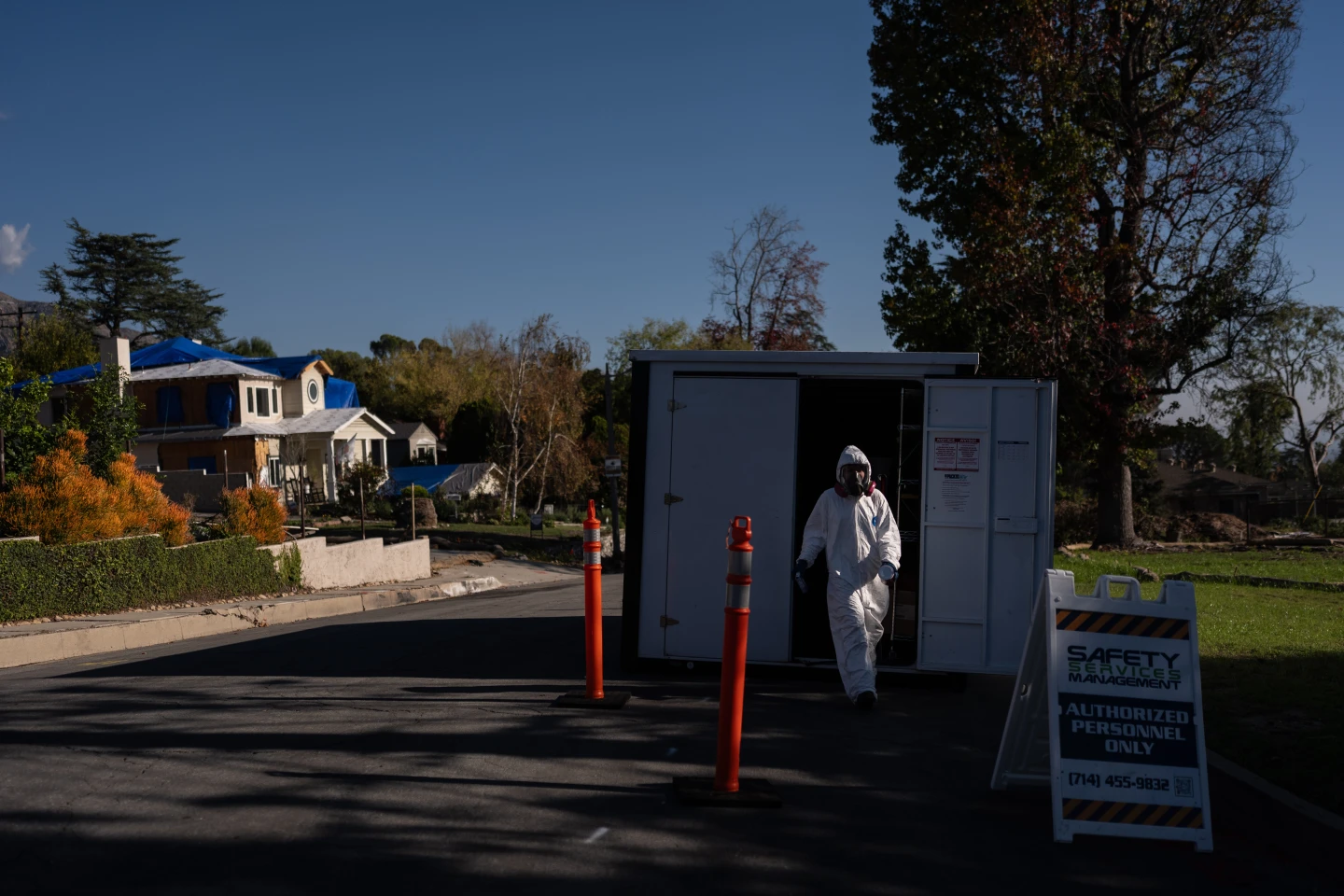
ALTADENA, Calif. — “DANGER: Lead Work Area” reads a sign on a front door of an Altadena home. The ongoing impacts of last year's destructive wildfires in Los Angeles are still heavily felt by residents, who now must deal with dangerous contaminants lurking within their homes.
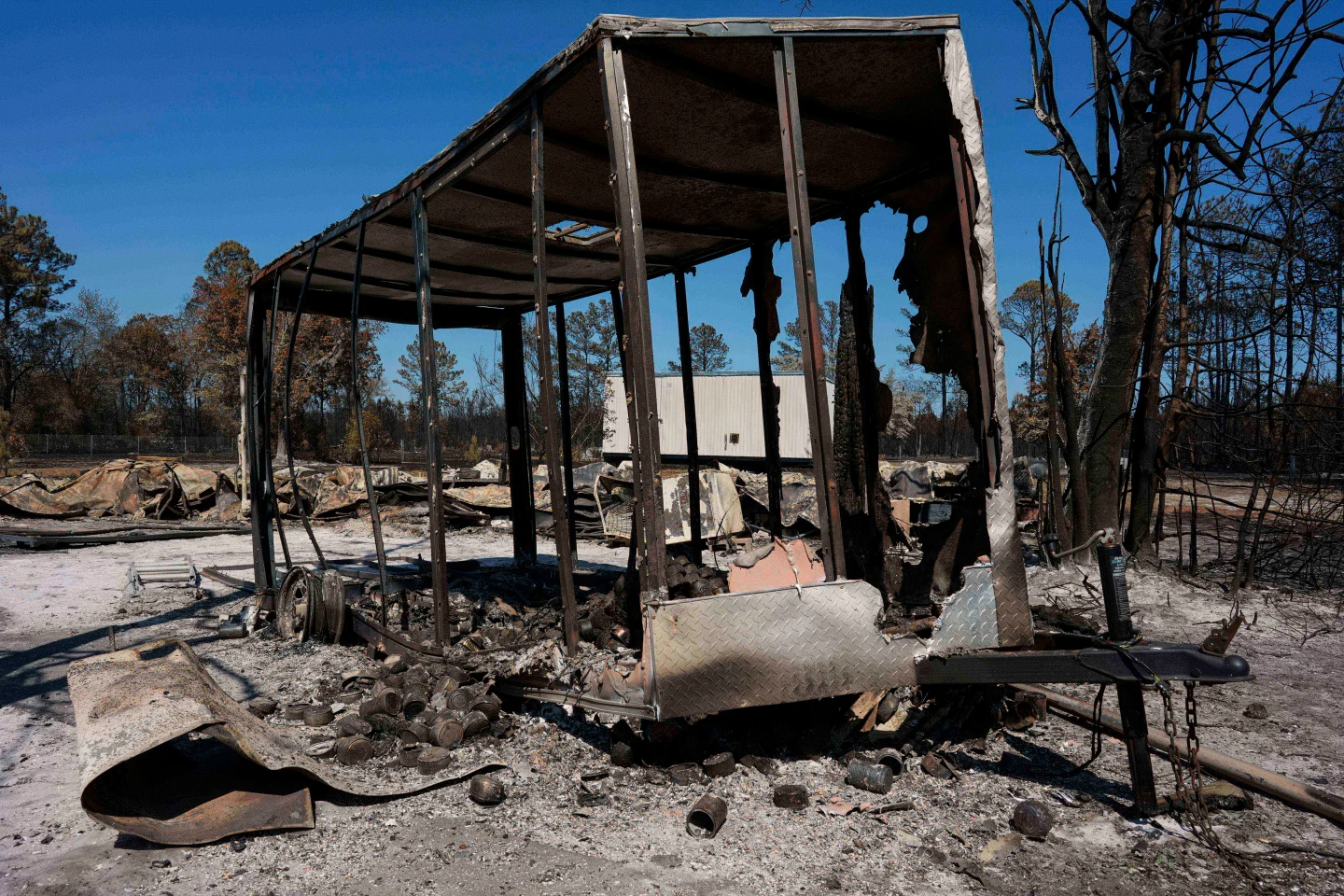
With house cleaners and hazardous waste workers donning masks, respirators, and hazmat suits, the process of cleaning homes that survived the flames has become an arduous task. Many families have returned to unsafe environments as they continue to clear out the remnants of the Eaton Fire that killed at least 31 people and destroyed nearly 17,000 structures.
Health issues are on the rise, with residents reporting symptoms such as sore throats, headaches, and worsening respiratory conditions. Recent findings reveal that a significant percentage of homes still exhibit hazardous levels of lead and asbestos, instilling fear among those forced to move back in after losing rental assistance.
According to a November report, six out of ten residents exposed to smoke from the Eaton Fire reported dangerous levels of contaminants, far exceeding safety standards set by the Environmental Protection Agency. Volatile organic compounds and heavy metals from incinerated materials have raised alarms about long-term health risks.
Caught in a battle with insurance companies over coverage for the necessary cleanup, many homeowners like Nina and Billy Malone are now living with the anxiety of potential long-term health impacts. With their insurance unwilling to fund retesting or adequate cleaning, families are paying out-of-pocket to ensure safer living conditions.
The situation is critical; studies show that lead exposure is particularly dangerous for pregnant individuals and young children, necessitating urgent action to remediate contamination. Despite the challenges, residents remain resilient, hoping for better support and intervention as they navigate life in a 'scarred' community.
As they sift through their possessions and cope with profound loss, the mental and emotional toll of the ongoing recovery weighs heavily on these families. The community continues to rally around one another, but the struggle for adequate protection, funding, and rebuilding remains a daunting task.