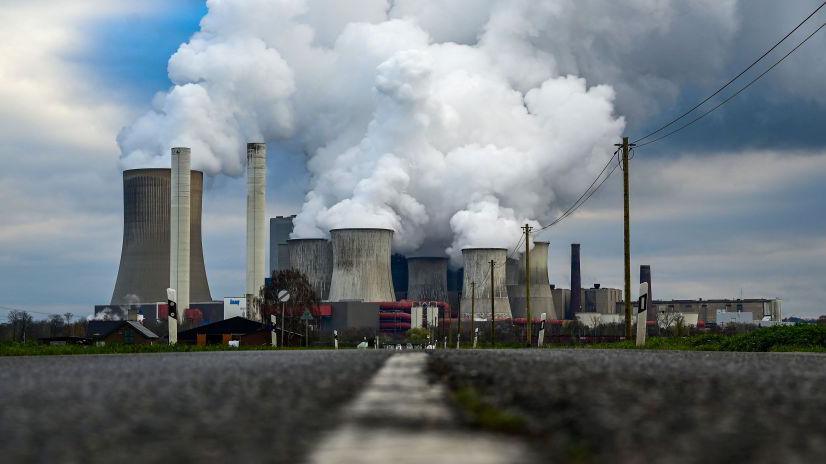
Renewable energy overtook coal as the world's leading source of electricity in the first half of this year - a historic first, according to new data from the global energy think tank Ember.
Electricity demand is growing around the world, but the growth in solar and wind was so strong it met 100% of the extra electricity demand, even helping drive a slight decline in coal and gas use.
However, Ember says the headlines mask a mixed global picture. Developing countries, especially China, led the clean energy charge, but richer nations including the US and EU relied more than before on planet-warming fossil fuels for electricity generation.
Coal, a major contributor to global warming, was still the world's largest individual source of energy generation in 2024, a position it has held for more than 50 years, according to the International Energy Agency. China remains significantly ahead in clean energy growth, adding more solar and wind capacity than the rest of the world combined, which enabled the growth in renewable generation in China to outpace rising electricity demand.
India also experienced slower electricity demand growth and added significant new solar and wind capacity, allowing it to cut back on coal and gas. In contrast, developed nations like the US saw electricity demand grow faster than clean energy output.
In the US, dependence on fossil fuels increased, while in the EU, a series of months with weak wind and hydropower performance led to a rise in coal and gas generation. Despite these regional differences, Ember calls this moment a 'crucial turning point'.
Solar power delivered the majority of growth, meeting 83% of the increase in electricity demand and has been the largest source of new electricity globally for three consecutive years. Most solar generation (58%) is now in lower-income countries, many of which have seen tremendous growth in the past few years.
Significant cost reductions have driven this shift, with solar price drops of 99.9% since 1975. Countries like Pakistan are leading the way, with massive imports of solar panels, while Africa also experiences a solar boom.
However, the rapid growth of solar power in some regions has led to unexpected challenges, such as in Afghanistan where the use of solar-powered water pumps is lowering the water table, threatening long-term groundwater access.
Adair Turner of the UK's Energy Transitions Commission pointed out that countries in the sun belt can lower energy costs significantly through the adoption of solar, while wind belt nations face steeper challenges. China continues to dominate the clean tech industry, highlighted by record clean tech exports in August 2025.