OMAHA, Neb. (AP) — As states consider redrawing their congressional district lines to favor one political party, some politicians warn that attempts to gerrymander can devolve into “dummymandering,” when partisan goals end up helping the opposing party in neighboring districts.
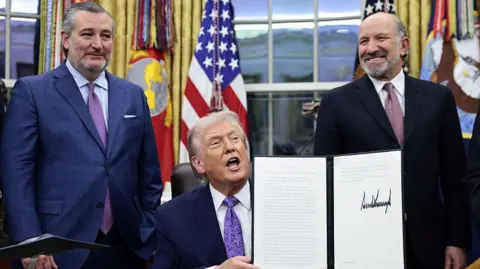
Pushed initially by President Donald Trump, state legislators across the country are discussing and at times agreeing to change boundaries in hopes of helping members of their party and ultimately deciding control of the U.S. House in 2026. Some are finding it’s not as easy as it seems.
“Trying to win more seats comes with a risk, because in order to win more seats, they have to draw districts more competitively,” said University of Texas at Dallas political science professor Thomas L. Brunell, who helped coin the term dummymander.
Republicans Eye Nebraska for Redistricting
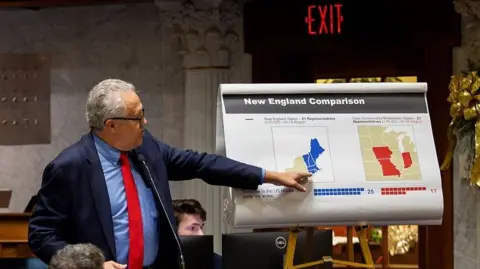
U.S. House districts are typically redrawn once a decade, but some states, including Nebraska, allow it to occur more frequently. With Nebraska targeted for mid-decade redistricting efforts, Republican Gov. Jim Pillen supports the idea, especially focusing on the Omaha-based 2nd Congressional District, which holds the state's highest concentration of Democratic voters amid a Republican stronghold.
Republicans currently hold all three of Nebraska’s U.S. House seats, yet the Omaha seat is deemed vulnerable, particularly since incumbent Rep. Don Bacon will not seek reelection in 2026.
State Senator John Cavanaugh, a Democrat working to represent the 2nd District, suggests that previous redistricting efforts have already skewed the area heavily in favor of Republicans, making further adjustments complex.
2026 Elections and Midterm Maneuvers
This summer, Trump urged Texas to revamp its district maps as part of broader Republican strategies to bolster seats for the upcoming midterm elections. As Democrats seek to gain just three seats to reclaim House control, similar redistricting plans emerge from other states, including California and North Carolina.
While the Republican Party typically appears comfortable with midterm elections, recent trends hint at a challenging landscape. Concerns arise that while attempting to fortify certain districts, some Republicans risk creating competitive disadvantages in others.
The complexities of political landscapes in states like Nebraska may make such maneuvers less straightforward compared to larger states like Texas, which afford more opportunities for district allocation.
As several states debate redistricting measures, the potential for backlash looms over the political strategy, prompting caution among some conservative lawmakers.
Even in the case of Texas, past efforts at aggressive redistricting have led to unintended consequences, demonstrating the unpredictable nature of voter behavior in response to gerrymandering efforts.
Political Implications of Redistricting
The push for mid-decade redistricting appears to unveil a strategic gamble for managing the stronghold of party representation; however, the outcomes may shift dramatically based on future election dynamics and public sentiment.