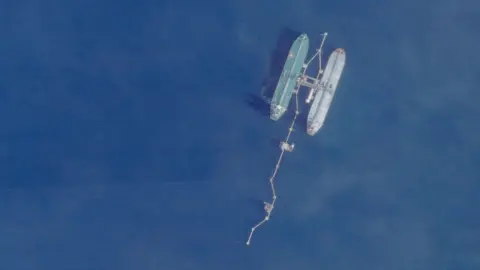
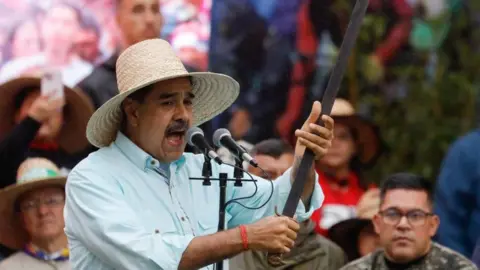
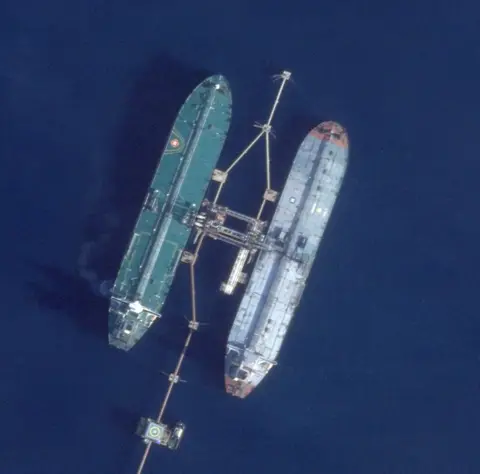
Venezuelan leader Nicolás Maduro says escalating pressures from the US can be attributed to Washington's desire to seize the nation's vast oil reserves. This week, the American military seized an oil tanker allegedly transporting Venezuelan oil in violation of US sanctions and issued threats against other ships.
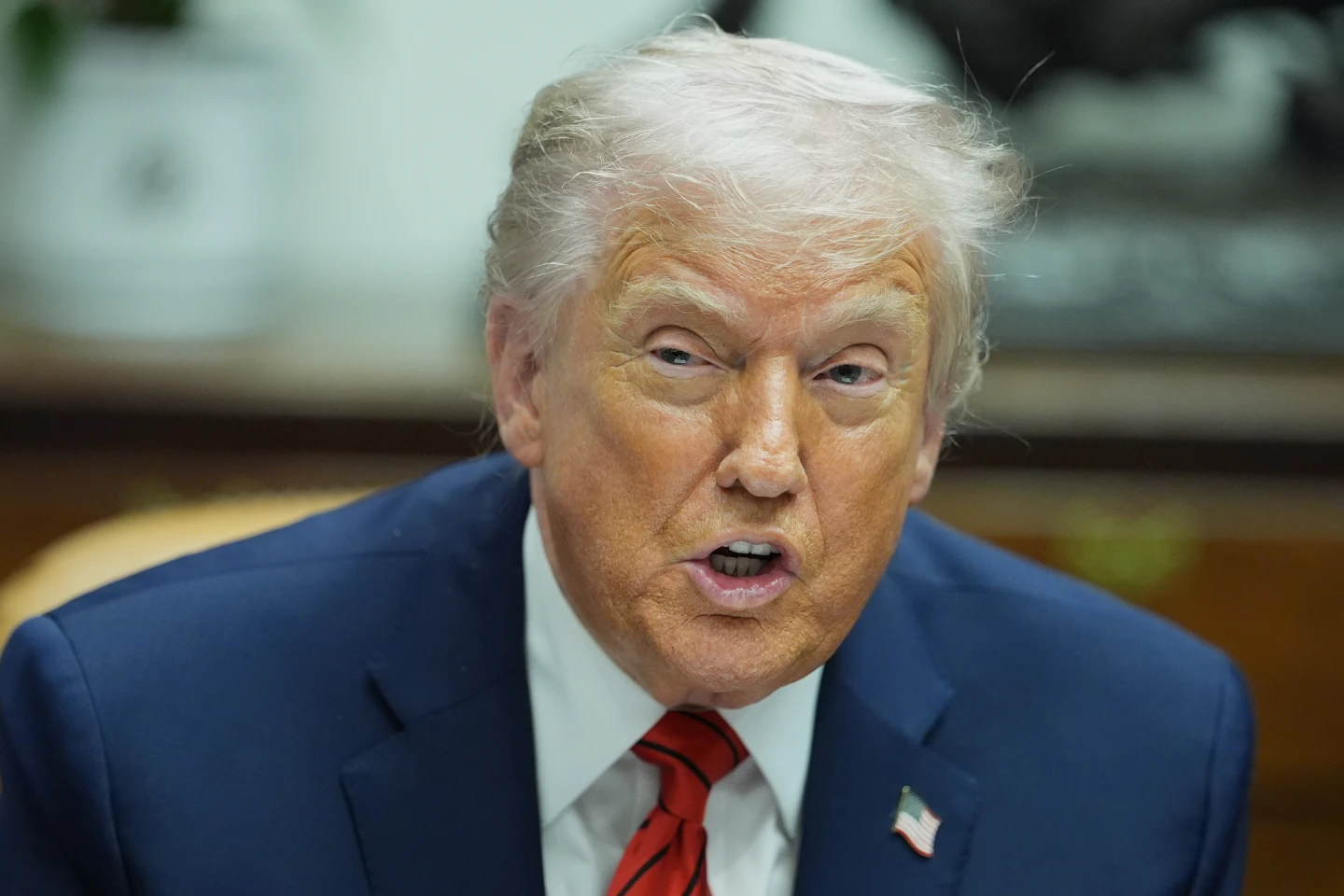
The actions followed a series of military strikes on Venezuelan vessels, which the US claims are involved in drug trafficking. President Donald Trump has urged Maduro to resign, accusing him of contributing to narcotics flow into the US. But is the true pursuit of Maduro's government centered on oil?
Venezuela boasts an estimated 303 billion barrels of oil, positioning it as the country with the largest proven oil reserves globally. However, its current production falls dismally short, with output plummeting due to the tightening control of the government over state oil company PDVSA and the implementation of US sanctions, which have clogged the nation’s access to necessary resources.
In November, production stood at approximately 860,000 barrels per day—less than one-third of output from a decade ago and accounting for a mere fraction of global oil consumption. While some American politicians argue for intervention based on lucrative opportunities for US companies, experts caution about the complexities involved in any potential revitalization of Venezuela’s oil industry.
Ongoing debates in the US government regarding the reasons behind its Venezuela policy assert a focus on curbing drug trafficking as a key priority. Energy security analysts suggest that the reality of resurrecting Venezuela’s oil infrastructure is compounded by decades of neglect and mismanagement, raising the question of whether US companies would find the prospect worthwhile.
Ultimately, while Venezuelan oil remains an enticing prospect, the ambitions of US companies may be tempered by the extensive challenges involved in reinvigorating a once-thriving industry.